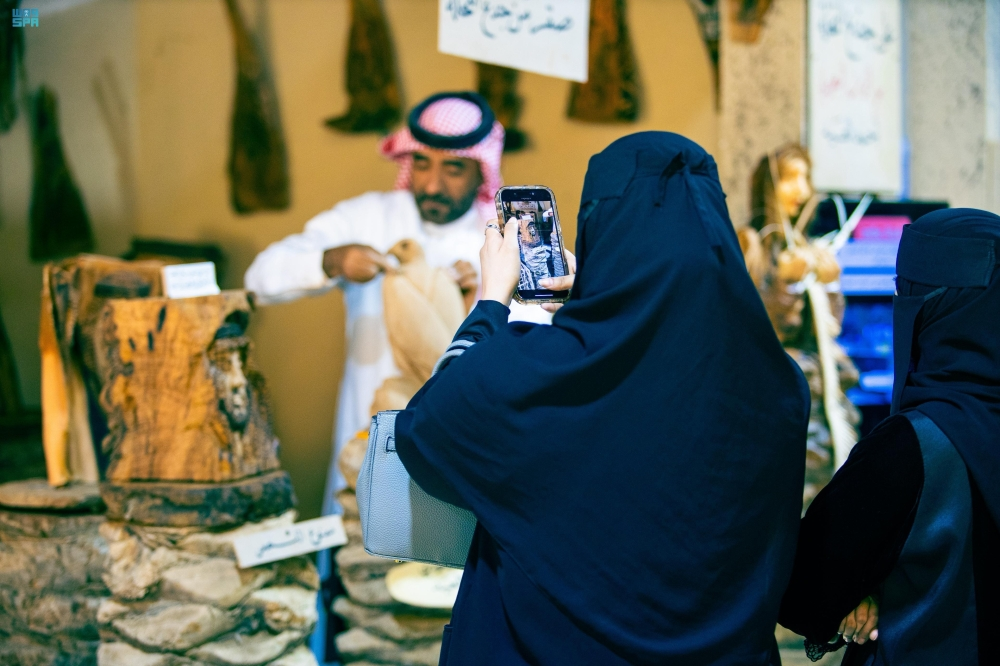
إقبال جماهيري على فن تراثي أصيل
في قلب مهرجان الصقور بمنطقة الحدود الشمالية، لم تكن عروض الصقور وحدها ما يأسر قلوب الزوار، بل برز ركن فني فريد استقطب اهتمامًا واسعًا، وهو فن النحت على جذوع النخيل. شهد هذا الركن إقبالًا كبيرًا من الحضور الذين توافدوا لمشاهدة المهارات الإبداعية للنحات السعودي أحمد العيد، الذي يحول بقايا أشجار النخيل إلى أعمال فنية تنبض بالحياة وتعكس أصالة التراث المحلي.
أحمد العيد: 30 عامًا من الإبداع المستلهم من الطبيعة
يمتلك النحات أحمد العيد خبرة تمتد لأكثر من ثلاثين عامًا في هذا المجال الفني الدقيق. نشأت موهبته في بيئة طبيعية غنية بأشجار النخيل، حيث استلهم فنه من مزرعة والده، متعلماً أسرار هذه الشجرة المباركة وكيفية تطويع أجزائها. لم يكتفِ العيد بممارسة هوايته، بل حولها إلى رسالة فنية تهدف إلى استغلال الموارد الطبيعية بشكل مستدام. فمن خلال إعادة تدوير زوائد النخيل وجذوعها التي قد تُهمل، يبدع العيد تحفًا فنية طبيعية تبرز مهاراته الاستثنائية في دمج الفن بالبيئة، وتقديم نموذج حي للحفاظ على الموروث الثقافي والبيئي في آن واحد.
السياق التاريخي: النخلة كرمز للهوية السعودية
لا يُعد فن النحت على جذوع النخيل مجرد حرفة يدوية، بل هو امتداد لعلاقة تاريخية وثيقة تربط الإنسان السعودي بشجرة النخيل. على مر العصور، شكلت النخلة ركيزة أساسية في حياة سكان شبه الجزيرة العربية؛ فهي مصدر للغذاء والمأوى والعديد من الأدوات اليومية. لقد ورد ذكرها في القرآن الكريم كرمز للخير والبركة، كما أنها جزء لا يتجزأ من شعار المملكة العربية السعودية إلى جانب السيفين، مما يؤكد على مكانتها الراسخة في الهوية الوطنية. ويأتي هذا الفن ليحيي هذا الإرث العظيم، ويقدمه للأجيال الجديدة بأسلوب معاصر ومبتكر.
أهمية الحدث وتأثيره المتوقع
تكمن أهمية تسليط الضوء على مثل هذه الفنون في مهرجانات كبرى مثل مهرجان الصقور في تعزيز الهوية الثقافية المحلية لمنطقة الحدود الشمالية وإبراز مواهبها الفنية. على المستوى الوطني، ينسجم هذا التوجه مع أهداف رؤية السعودية 2030 التي تركز على الحفاظ على التراث الوطني وإثرائه والاحتفاء به كجزء من النسيج الاجتماعي والثقافي للمملكة. أما على الصعيد الدولي، فإن تقديم هذه الفنون الأصيلة يساهم في رسم صورة غنية ومتكاملة عن الثقافة السعودية، ويعرض للعالم جانبًا إبداعيًا يجمع بين الأصالة والمعاصرة والالتزام بالاستدامة البيئية، مما قد يجذب اهتمام السياح والمهتمين بالفنون التراثية من مختلف أنحاء العالم.