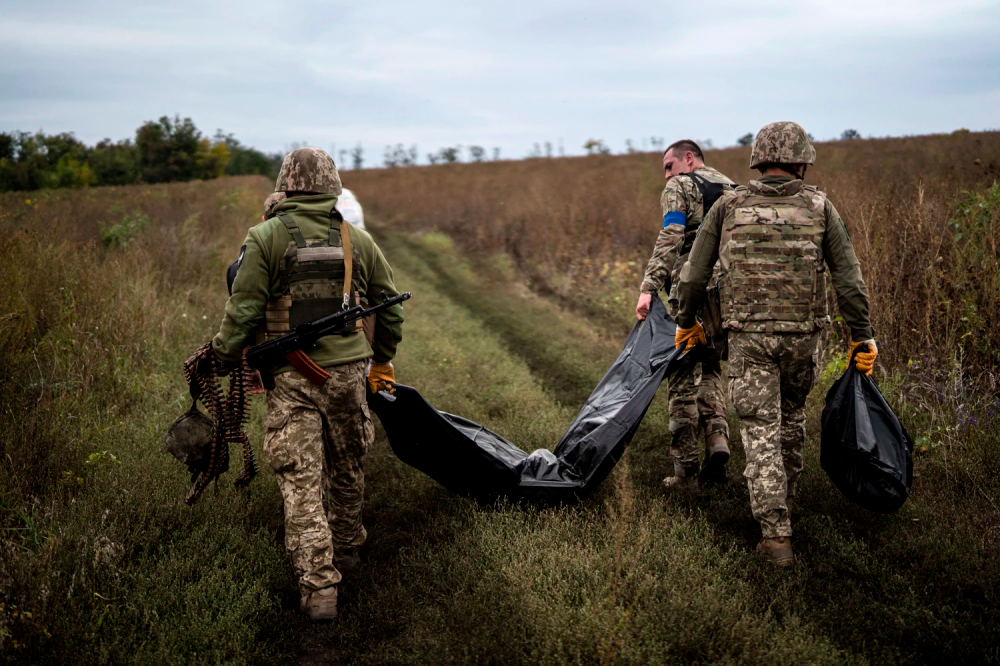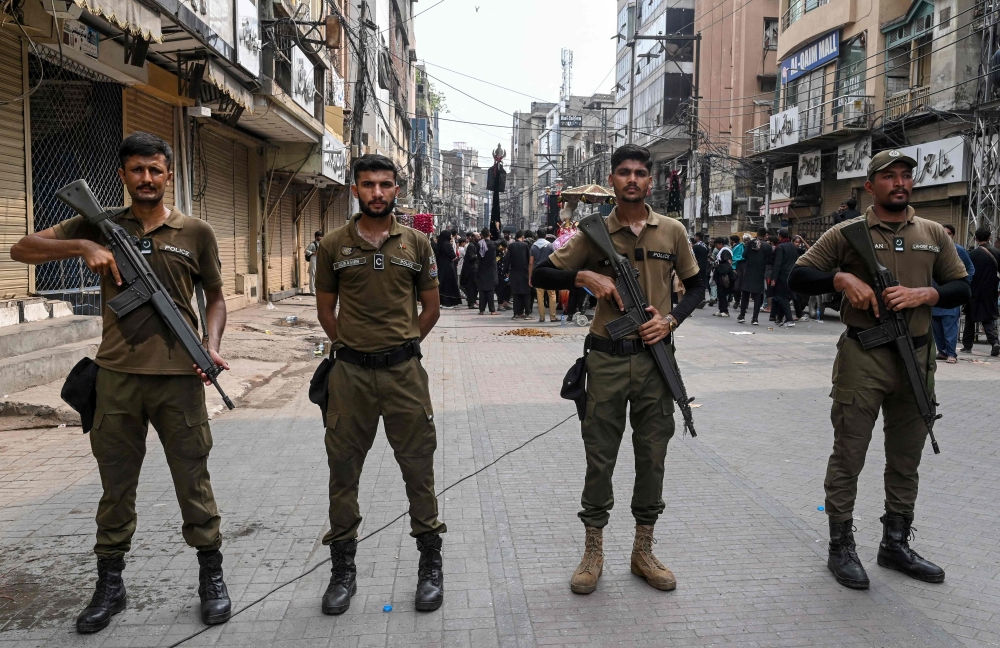
Pakistani security sources announced that 197 militants were killed in intensive counter-terrorism operations carried out by security forces over three days in Balochistan province, located in southwestern Pakistan. The sources explained that these extensive operations primarily targeted members of the banned Balochistan Liberation Army (BLA), one of the most prominent armed separatist groups active in the province.
According to official figures, the clashes also resulted in the deaths of 22 members of the security forces and army while repelling the attacks, in addition to 36 civilians, including women and children, killed in attacks launched by armed groups before the forces were able to thwart them and secure the targeted areas. Authorities confirmed that search and raid operations are ongoing to dismantle remaining terrorist cells and prevent them from regrouping, with the aim of restoring full stability to the region.
Background of the conflict in Balochistan
This security escalation comes amid a long-standing conflict in Balochistan, Pakistan's largest province by area and its richest in natural resources such as gas and minerals. For decades, the region has suffered from separatist insurgencies led by Baloch nationalist groups demanding greater autonomy and a larger share of natural resource revenues, accusing the central government of politically and economically marginalizing the province. The Balochistan Liberation Army and other armed factions believe that major development projects in the province, particularly those involving foreign investment, are designed to exploit the province's wealth with little benefit for its local population.
Strategic importance and security implications
Balochistan holds immense strategic importance for Pakistan and the wider region. It is home to the deep-water port of Gwadar, a key hub in the China-Pakistan Economic Corridor (CPEC), part of China’s Belt and Road Initiative. This massive, multi-billion-dollar project aims to connect western China to the Arabian Sea via a network of roads, ports, and pipelines, making it a prime target for militant groups seeking to disrupt it. Therefore, stability in Balochistan is not only a domestic security priority for Pakistan but also an economic and strategic imperative for the success of these international projects. Ongoing military operations, such as the recent one, reflect Islamabad’s determination to assert state control and secure these vital investments, putting it on a constant collision course with militant groups and directly impacting regional security and stability.