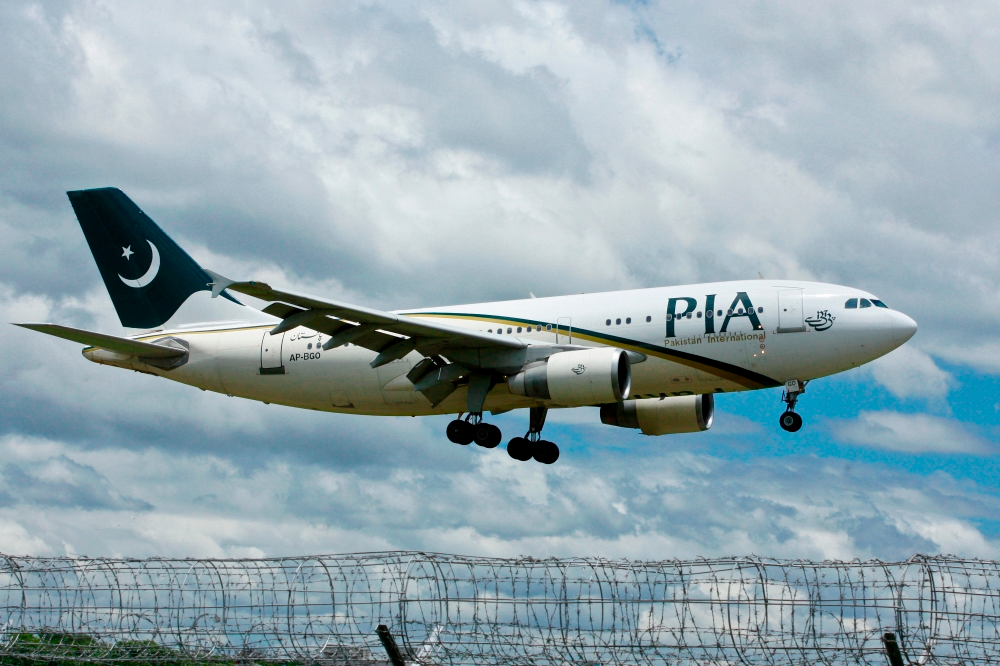
In a crucial step toward economic reform, Pakistan on Tuesday received three formal bids to privatize its national carrier, Pakistan International Airlines (PIA) , which has been struggling for years with financial crises and mounting debt. This move is part of a broader government strategy aimed at stemming losses in state-owned enterprises.
The bidding process was broadcast live on television to ensure the highest standards of transparency, with Prime Minister Shehbaz Sharif describing the event as the prelude to "the biggest deal in Pakistan's history." Three business consortia competed in this round for a controlling 75% stake in the company. Under the deal's innovative new terms, the winning bidder will only need to pay 7.5% of the bid value in cash, while the investor is obligated to reinvest the remaining 92.5% directly into the company to modernize its fleet and improve its operations.
A challenging economic context and the role of the International Monetary Fund
This deal is not merely a commercial sale; it is a cornerstone of Pakistan's economic rescue plan. Privatizing loss-making state-owned enterprises, most notably the national airline, is a key condition of the $7 billion International Monetary Fund program that Islamabad agreed to last year. These measures aim to reduce the fiscal deficit and restore international investor confidence in the Pakistani economy, which is grappling with inflation and high external debt.
From Leadership to Crises: A Historical Background
Pakistan International Airlines (PIA), once a symbol of leadership in the Asian aviation sector and a pioneer in establishing other global airlines in previous decades, has suffered a sharp decline in recent years. Political interference, chronic mismanagement, and bloated staffing levels have transformed the company into a heavy burden on the state budget.
The situation worsened in 2020 when the company suffered a devastating blow following a scandal involving the falsification of pilot licenses, leading to flight bans by the European Union Aviation Safety Agency (EASA), the United Kingdom, and the United States. This ban deprived the company of its most profitable routes, exacerbating its financial losses and making privatization the only viable option to save the national carrier and return it to international airspace with credible safety standards.