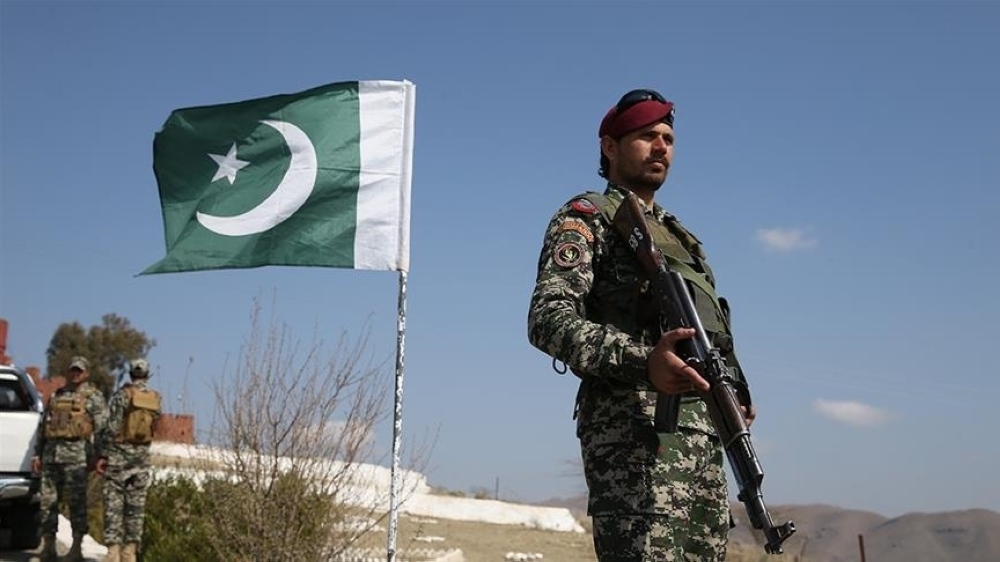
In a significant military escalation, Pakistan announced it had carried out a series of precision, intelligence-based airstrikes targeting seven locations it described as “terrorist camps and hideouts” inside Afghanistan. This military action came as a direct response to a recent wave of suicide attacks targeting Pakistani security forces, which Islamabad blamed on militant groups using Afghanistan as a safe haven.
A statement issued by the Pakistani Ministry of Information explained that the operations came after three deadly attacks since the beginning of Ramadan, emphasizing that Pakistan's patience had run out with the Afghan authorities' inaction in curbing these groups. These strikes represent a significant shift in Pakistani policy, which previously relied on diplomatic pressure and limited operations on its side of the border.
Background of the tension and history of the conflict
The Pakistan-Afghanistan border, known as the Durand Line, has historically been a source of tension between the two countries. This long and rugged border, stretching over 2,600 kilometers, has always been a hub for smuggling and a haven for armed groups. Since the Taliban's return to power in Kabul in 2011, Pakistan has witnessed a significant increase in attacks by the Pakistani Taliban (TTP), a separate but ideologically aligned group with the Afghan Taliban. Islamabad has long accused Kabul of providing refuge to TTP leaders and members, an accusation the Taliban government consistently denies.
Importance and expected effects
These strikes open the door to broad regional and international repercussions. Domestically, the operation reflects internal pressure on the Pakistani government and military to take decisive action to stem the bloodshed caused by terrorist attacks. Regionally, it represents a serious deterioration in relations between Pakistan and Afghanistan, potentially leading to frequent border clashes and disruption of trade and vital crossings between the two countries. For its part, the Taliban government in Afghanistan strongly condemned the raids, deeming them a violation of its sovereignty and warning of “grave consequences.” This escalation presents the entire region with a new security challenge and raises concerns among international powers closely monitoring regional stability, particularly regarding counterterrorism efforts and preventing Afghanistan from once again becoming a haven for extremist groups.