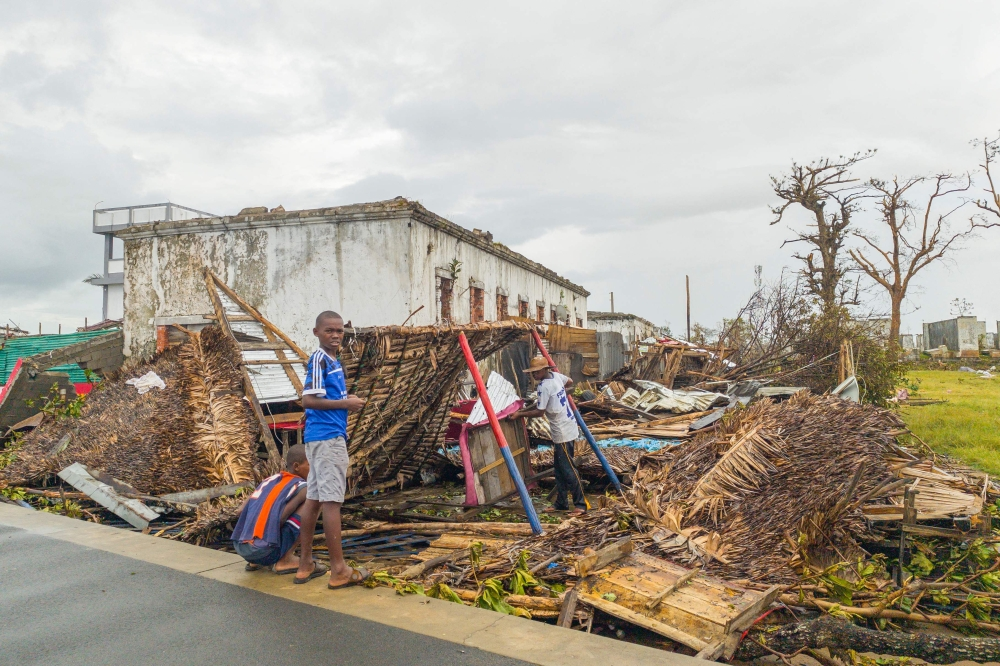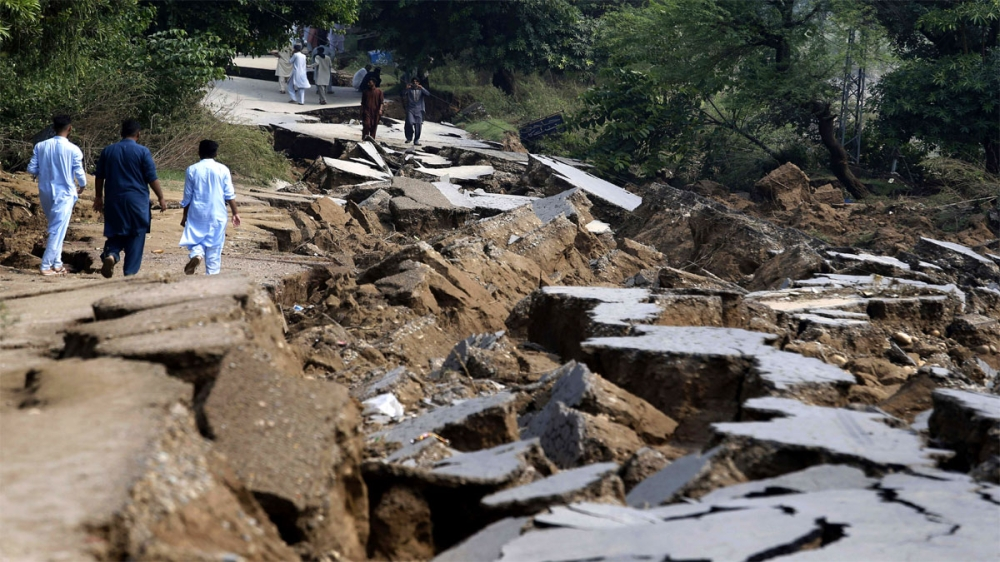
A moderate earthquake measuring 5.6 on the Richter scale struck Balochistan province in southwestern Pakistan today, and was felt in parts of the neighboring southern province of Sindh. The quake caused concern among local residents, recalling the region's history of destructive seismic activity.
According to data from the Pakistan Meteorological Department and Geological Survey, the epicenter of the shallow earthquake was located near the city of Khuzdar in Balochistan province, at a relatively shallow depth of 13 kilometers. Despite the strength of the tremor, there were no immediate reports of casualties or major damage. However, local authorities have begun assessing the situation in the affected areas, particularly in remote villages where buildings may be less earthquake-resistant.
Geological context: Why is Pakistan an earthquake zone?
Pakistan lies in one of the world's most seismically active regions, situated at the intersection of two major tectonic plates: the Indian and Eurasian plates. The constant collision of these plates creates immense pressure within the Earth's crust, which is released as frequent earthquakes. The Himalayas and Hindu Kush mountain ranges, which stretch across northern Pakistan, are a direct result of this geological collision that has been ongoing for millions of years, making the country perpetually vulnerable to earthquakes of varying intensity.
A history of devastating earthquakes and their impact
Pakistan's modern history is marked by devastating earthquakes. Perhaps the most notable was the Kashmir earthquake of October 8, 2005, which measured 7.6 on the Richter scale, killing over 75,000 people and displacing millions, making it one of the worst natural disasters in the country's history. In 2013, another earthquake, measuring 7.7 on the Richter scale, struck the same province of Balochistan, killing hundreds and creating a small island off the country's southern coast.
The recurrence of these events underscores the critical importance of implementing earthquake-resistant building standards, particularly in densely populated rural and urban areas. It also highlights the need to strengthen early warning systems and train emergency response teams to minimize potential future human and material losses. While today's earthquake did not cause significant damage according to initial reports, it serves as a stark reminder of the persistent seismic risk facing Pakistan and the entire region.