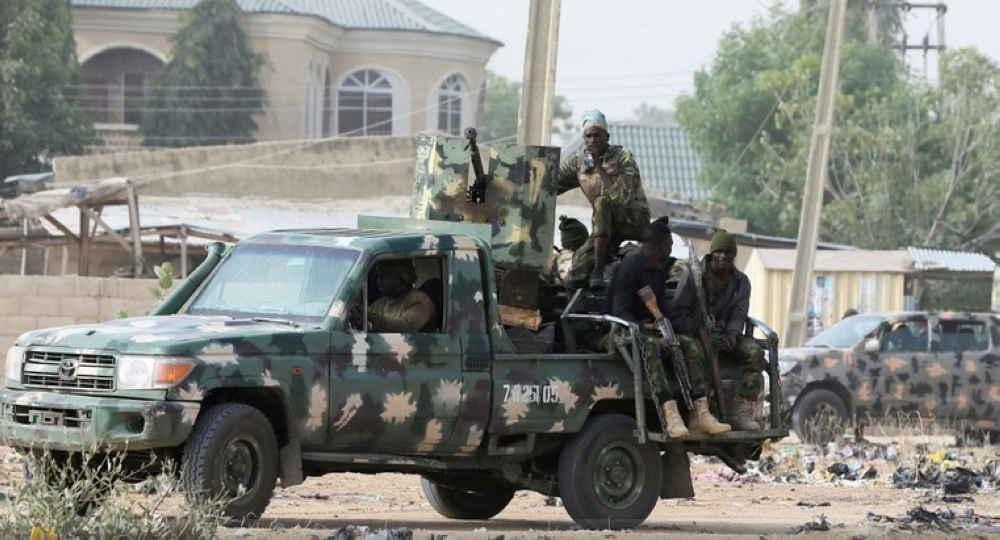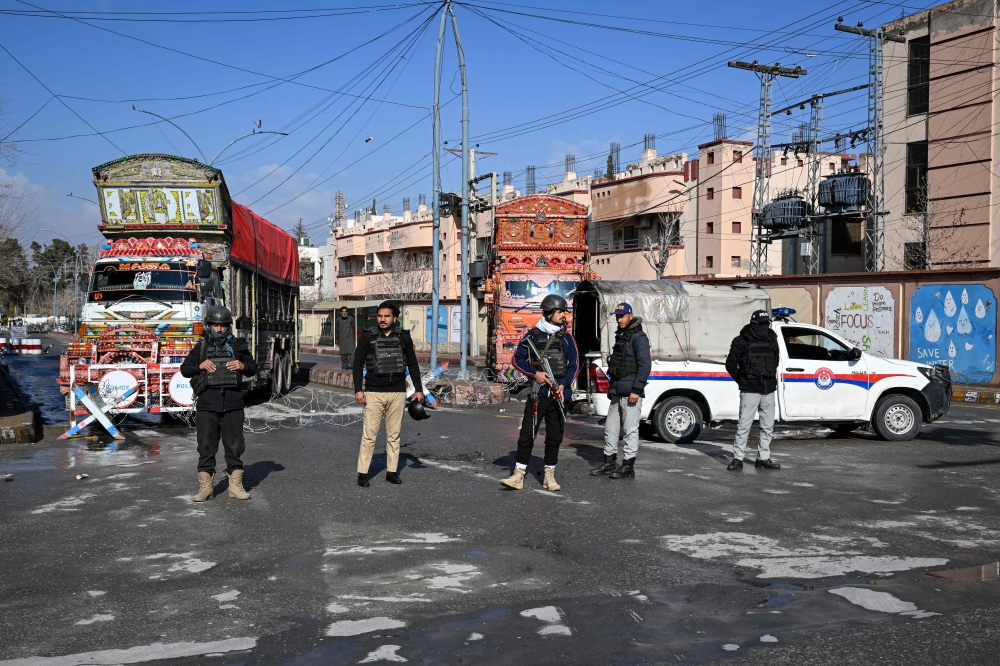
Pakistan’s Balochistan province witnessed a dangerous escalation of violence over the weekend, with nearly 250 people killed in a series of coordinated attacks by separatist groups and subsequent clashes with Pakistani security forces. A security official, speaking on condition of anonymity, confirmed that the attacks, claimed by the Balochistan Liberation Army (BLA), resulted in the deaths of 36 civilians and 22 security personnel, while 197 militants were killed in counter-operations by the armed forces.
The clashes spread to various parts of the province, with insurgents targeting vital installations including police stations, military headquarters, banks, and prisons. The Balochistan Liberation Army (BLA), designated a terrorist organization by Pakistan, the United States, and the United Kingdom, claimed responsibility for the attacks, stating they included shootings and suicide bombings targeting security forces and civilian administration officials.
Background of the conflict and the strategic importance of the region
This escalation comes amid a long-standing conflict in Balochistan, Pakistan's largest province by area and its richest in natural resources such as gas, minerals, copper, and gold. The region has been plagued by a separatist insurgency for decades, with Baloch nationalist groups accusing the central government in Islamabad of politically and economically marginalizing the province and plundering its resources without any benefit to the local population, who suffer from poverty, a lack of development, and inadequate infrastructure.
Impact on economic projects and regional security
The unrest in Balochistan is of major strategic importance, not only locally but also regionally and internationally. The province is a cornerstone of the China-Pakistan Economic Corridor (CPEC) , a massive, multi-billion-dollar infrastructure project that aims to connect western China to Pakistan’s Gwadar port on the Arabian Sea. Separatist groups, primarily the Balochistan Liberation Army, have intensified their attacks in recent years, targeting CPEC-related projects and Chinese nationals working on them, posing a significant security challenge to both Islamabad and Beijing.
The ongoing cycle of violence directly impacts the lives of civilians, deepens instability in the region, and hinders economic development efforts. The Pakistani government faces the dual challenge of combating the armed insurgency and addressing the economic and political grievances that fuel this conflict. The situation in Balochistan remains a complex security issue with implications for Pakistan's national security and its international relations, particularly with its neighbors Iran and Afghanistan, and its strategic partner China.