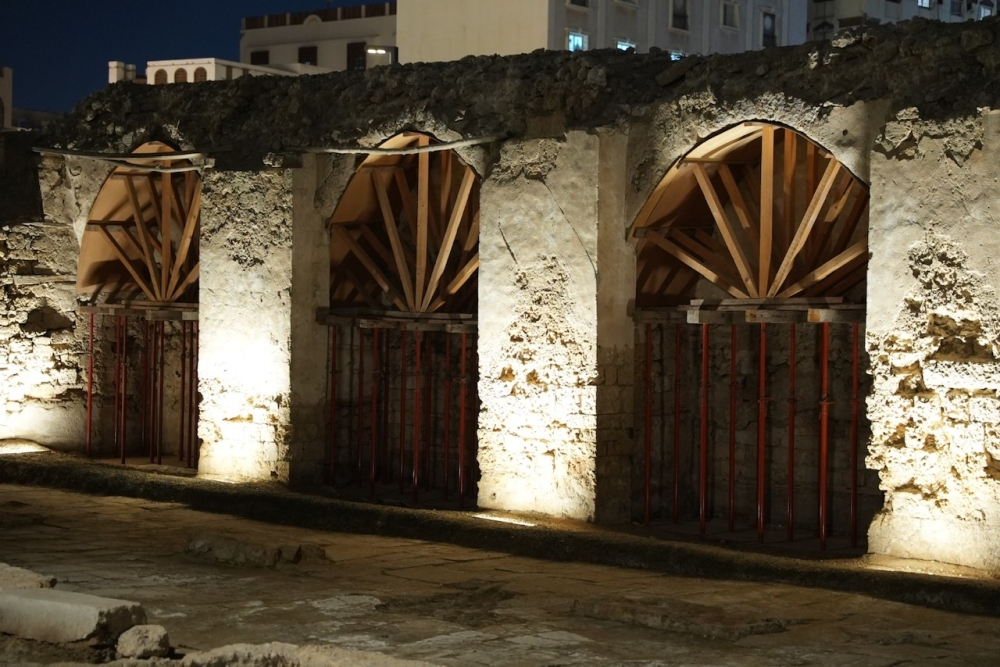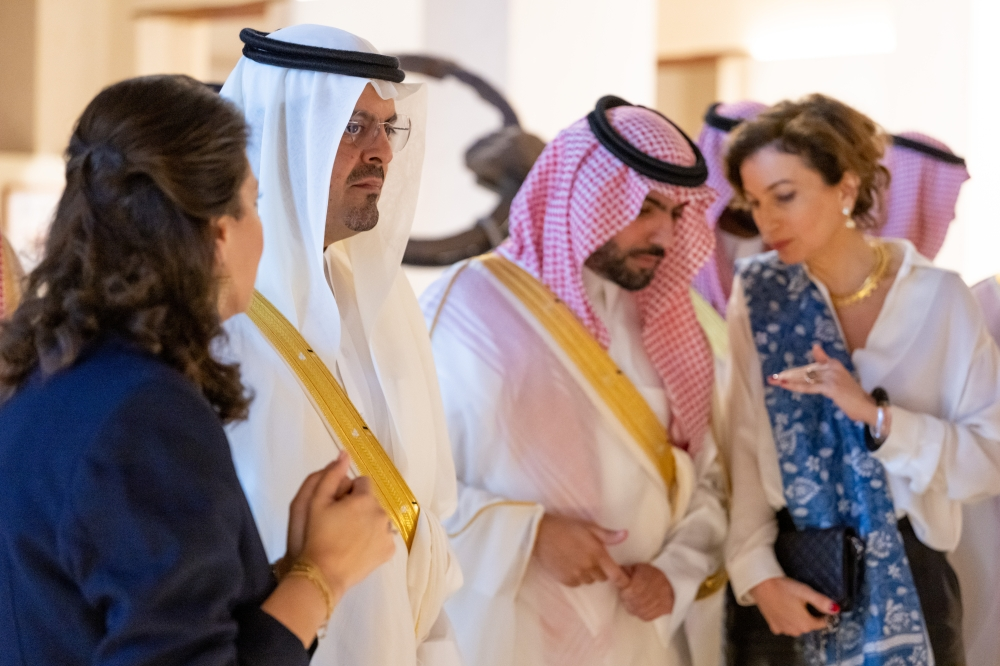
In a significant cultural move that reinforces the Kingdom of Saudi Arabia's position as a global tourist and heritage destination, the Museums Authority today inaugurated the Red Sea Museum in the heart of Jeddah's historic district (Al-Balad), specifically in the historic Bab Al-Bunt building. The opening ceremony was attended by His Royal Highness Prince Saud bin Mishaal bin Abdulaziz, Deputy Governor of Makkah Region, and His Highness Prince Badr bin Abdullah bin Farhan Al Saud, Minister of Culture and Chairman of the Board of Directors of the Museums Authority, along with a distinguished gathering of intellectuals, media representatives, and other prominent figures.
Symbolism of the place: Bab al-Bunt and the history of pilgrimage and trade
The museum's significance stems not only from its collection but also from its strategic location within the Bab al-Bunt building. This building is a living testament to Jeddah's history, having historically served as the customs port and the main point of entry for pilgrims arriving by sea from across the Islamic world. It was also a hub for trade, connecting the Arabian Peninsula with three continents. The restoration of this building and its transformation into a world-class museum is part of the ongoing efforts to preserve the architectural heritage of Historic Jeddah, a UNESCO World Heritage Site, allowing the building to once again play its role as a bridge for cultural exchange.
Red Sea Treasures: A Journey Through Time
The museum houses an exceptional collection of over 1,000 artifacts and works of art , meticulously displayed across 23 exhibition halls covering seven main themes. These exhibits take visitors on a journey through time, documenting the geological, environmental, and human history of the Red Sea. The collection includes:
- Ancient navigational tools used by Arab sailors.
- Rare manuscripts and historical maps documenting trade and pilgrimage routes.
- Pieces of Chinese porcelain and archaeological finds recovered from sunken shipwrecks.
- Contemporary artworks by Saudi and international artists that draw inspiration from the spirit and history of the sea.
Strategic and cultural importance
In his address, His Highness Prince Badr bin Abdullah bin Farhan affirmed that the museum represents a "comprehensive cultural platform" that fosters dialogue between civilizations. This project aligns perfectly with the objectives of the Kingdom's Vision 2030 and the Quality of Life Program, as it seeks to develop the cultural economy and enrich the tourism experience in Jeddah. The museum is expected to play a pivotal role in attracting tourists and researchers interested in maritime history, thereby boosting cultural and economic activity in the region and highlighting the unique environmental and cultural diversity of the Red Sea coast.
Opening events and the fusion of arts
The opening ceremony featured a remarkable fusion of tradition and modernity, with attendees enjoying a musical performance by the international band Silk Road, who presented pieces inspired by the musical heritage of the peoples bordering the Red Sea. The ceremony also marked the inauguration of the museum's first temporary exhibition, "Gate of Gates," by Saudi artist Muath Al-Awfi, reinforcing the museum's mission as a vibrant space for artistic creativity, not merely a venue for displaying static artifacts.
With the opening of this monument, the Ministry of Culture affirms its commitment to preserving the tangible and intangible national heritage and presenting it to the world in a modern and sustainable manner, so that the Red Sea remains a lifeline and a story to be told to future generations.