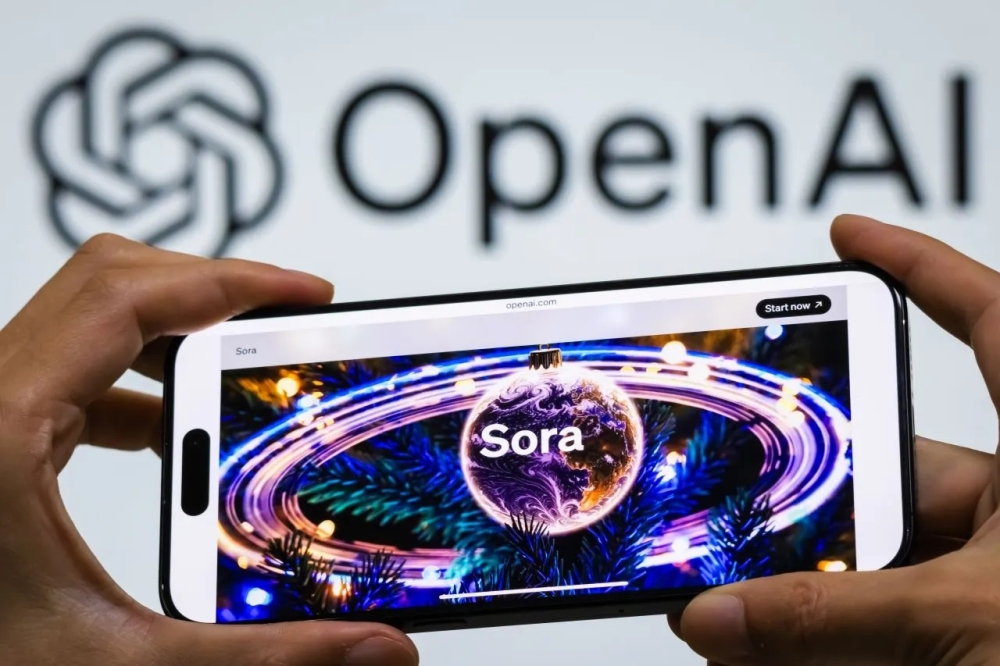
في خطوة كانت متوقعة على نطاق واسع وتمثل نقطة تحول في عالم الذكاء الاصطناعي التوليدي، أعلنت شركة OpenAI عن بدء تطبيق نموذج تجاري لخدمتها الثورية Sora، التي تتيح تحويل النصوص إلى مقاطع فيديو عالية الدقة. هذا القرار ينهي فترة التجربة المحدودة ويفتح الباب أمام استخدام أوسع للتقنية، ولكنه يأتي مصحوبًا بتكاليف للمستخدمين الذين يتجاوزون حدودًا معينة، مما أثار ردود فعل متباينة بين مجتمع المبدعين والمتحمسين للتقنية.
السياق العام: من الصور إلى الفيديو المتحرك
يأتي إطلاق Sora كخطوة تالية طبيعية في مسيرة تطور الذكاء الاصطناعي التوليدي. فبعد أن أحدثت نماذج مثل DALL-E وMidjourney ثورة في عالم توليد الصور من النصوص، كان توليد الفيديو هو التحدي الأكبر والأكثر تعقيدًا. عندما كشفت OpenAI عن Sora لأول مرة في فبراير 2024، أذهلت العالم بقدرتها على إنشاء مقاطع فيديو واقعية ومتماسكة تصل مدتها إلى دقيقة كاملة، مع فهم عميق للفيزياء وتفاعلات العناصر في المشهد. كانت هذه القدرات بمثابة قفزة نوعية، حيث اقتصر الوصول إليها في البداية على مجموعة مختارة من الباحثين والفنانين لتقييم قدراتها ومخاطرها المحتملة.
تفاصيل النموذج التجاري الجديد لـ Sora
وفقًا للإعلانات الأخيرة، تهدف الخطة الجديدة إلى الموازنة بين إتاحة الوصول للمستخدمين وإدارة التكاليف الحاسوبية الهائلة التي يتطلبها توليد الفيديو. تتطلب كل ثانية من الفيديو الذي يتم إنشاؤه بواسطة Sora قوة معالجة هائلة من وحدات معالجة الرسومات (GPUs). ولضمان استدامة الخدمة، تم وضع هيكل تسعير جديد:
- مستخدمو ChatGPT Pro: سيحصلون على حصة أكبر، حيث يمكنهم إنشاء ما يصل إلى 100 مقطع فيديو يوميًا بشكل مجاني ضمن اشتراكهم.
- المستخدمون المجانيون: سيتمكنون من إنشاء 30 مقطع فيديو يوميًا.
- الباقات الإضافية: عند تجاوز الحد اليومي، يمكن للمستخدمين شراء “رموز” إضافية لإنشاء المزيد من المقاطع، حيث تشير التقارير إلى أن تكلفة كل 10 مقاطع فيديو إضافية ستبلغ حوالي 4 دولارات أمريكية، مع عدم وجود حد أقصى لعدد المقاطع التي يمكن شراؤها.
تهدف هذه الاستراتيجية إلى تمكين المحترفين وصناع الأفلام من “الحصول على أقصى استخدام يرغبون فيه” دون قيود، مع الحفاظ على موارد الخوادم من الاستنزاف.
الأهمية والتأثير المتوقع: “اقتصاد Sora” الجديد
لا تتوقف خطط OpenAI عند فرض الرسوم، بل تمتد إلى بناء ما يمكن تسميته بـ “اقتصاد Sora”. تسعى الشركة إلى إنشاء نظام بيئي متكامل يتيح للمبدعين تحقيق الدخل مباشرة من أعمالهم ومساهماتهم على المنصة. من أبرز الملامح المعلنة هي ميزة “الظهور القصير” (Cameo Mode)، التي ستسمح للمستخدمين بالموافقة على استخدام شخصياتهم أو “أشباههم الرقمية” في مقاطع فيديو ينشئها آخرون مقابل عائد مادي. هذه الفكرة تفتح آفاقًا جديدة لصناع المحتوى والمؤثرين لتحقيق الدخل، كما تمنح المستخدمين تحكمًا أكبر في كيفية استخدام صورهم الرقمية.
على الصعيد العالمي، يمثل هذا التحول خطوة نحو دمقرطة صناعة الفيديو والسينما، مما يقلل من الحواجز المالية والتقنية أمام صناع الأفلام المستقلين والشركات الصغيرة. ومع ذلك، يثير هذا التطور أيضًا مخاوف مشروعة بشأن التزييف العميق (Deepfakes) وانتشار المعلومات المضللة، وهي تحديات تعمل OpenAI على معالجتها من خلال تطوير تقنيات للكشف عن المحتوى المصطنع ووضع سياسات استخدام صارمة.