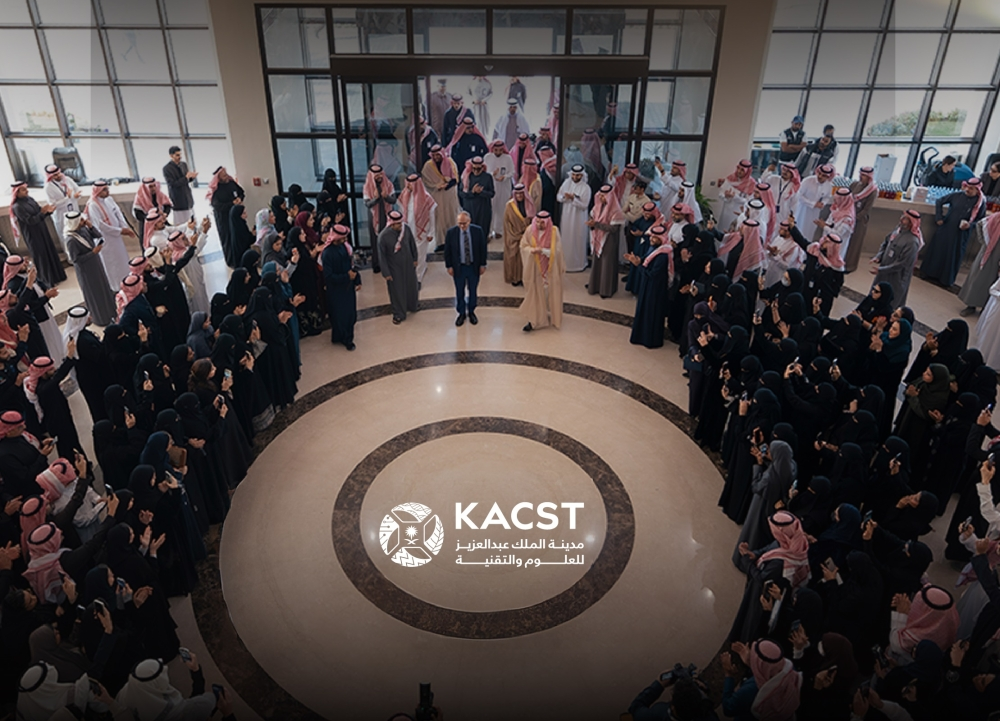
في خطوة تعكس التقدير العميق للكفاءات الوطنية والإنجازات العلمية الفذة، احتفت مدينة الملك عبدالعزيز للعلوم والتقنية (كاكست) بالبروفيسور عمر بن مؤنس ياغي، العالم السعودي الذي يُعد من أبرز رواد الكيمياء في العصر الحديث. ويأتي هذا التكريم تقديرًا لإسهاماته الثورية في تأسيس وتطوير “الكيمياء الشبكية” (Reticular Chemistry)، وهو فرع جديد من الكيمياء أدى إلى ابتكار فئات جديدة من المواد ذات التطبيقات الواعدة في مجالات الطاقة النظيفة والبيئة والمواد المتقدمة.
خلفية علمية: الكيمياء الشبكية وتطبيقاتها
يُعرف البروفيسور ياغي عالميًا بأبحاثه الرائدة في تصميم وتصنيع الأطر المعدنية العضوية (MOFs) والأطر التساهمية العضوية (COFs). هذه المواد، التي يتم بناؤها عن طريق ربط جزيئات عضوية بأيونات معدنية أو روابط تساهمية، تتميز ببنيتها المسامية فائقة الدقة ومساحة سطحها الهائلة، مما يمنحها خصائص فريدة. فتحت هذه الابتكارات الباب أمام تطبيقات عملية مؤثرة، مثل تخزين الغازات بكفاءة عالية كالهيدروجين والميثان لاستخدامهما كوقود نظيف، والتقاط غاز ثاني أكسيد الكربون من الغلاف الجوي والمصانع للحد من ظاهرة الاحتباس الحراري، بالإضافة إلى تطوير تقنيات مبتكرة لجمع المياه من الهواء في المناطق الصحراوية والجافة، وهو ما يمثل حلاً جذريًا لمشكلة ندرة المياه عالميًا.
أهمية الإنجاز في سياق رؤية المملكة 2030
يتجاوز هذا الاحتفاء كونه تكريمًا لشخص واحد، ليمثل شهادة على نجاح الاستراتيجية الوطنية التي تتبناها المملكة العربية السعودية ضمن رؤية 2030. تهدف الرؤية إلى التحول نحو اقتصاد قائم على المعرفة والابتكار، وتقليل الاعتماد على النفط عبر الاستثمار في قطاعات جديدة مثل التقنية والبحث العلمي. ويُعد دعم العلماء والمبتكرين مثل البروفيسور ياغي، وتوفير بيئة بحثية محفزة لهم، ركيزة أساسية لتحقيق هذه الأهداف. إن الشراكة بين “كاكست” وجامعة كاليفورنيا بيركلي، التي يشرف عليها ياغي، تجسد نموذجًا مثاليًا للتعاون الدولي الذي يسهم في نقل المعرفة وتوطين التقنيات المتقدمة، وتعزيز مكانة المملكة كمركز علمي رائد على الساحة الدولية.
تفاصيل الاحتفاء وتقدير القيادة
خلال الحفل الذي أقيم بحضور معالي رئيس “كاكست” الدكتور منير بن محمود الدسوقي، أعرب البروفيسور عمر ياغي عن عميق امتنانه للدعم الكبير الذي توليه القيادة الرشيدة لمنظومة البحث والتطوير والابتكار. وأكد ياغي أن هذا الاهتمام الاستراتيجي بالعلماء والكفاءات الوطنية هو الذي مكّنهم من تحقيق إنجازات نوعية عالمية، مشيرًا إلى أن رؤية القيادة بالاستثمار في العقول هي التي تبني منظومة بحثية متكاملة تضع المملكة في مصاف الدول المتقدمة علميًا. وأضاف أن التعاون طويل الأمد مع “كاكست” يمثل نموذجًا ناجحًا يوضح كيف يمكن للعلم أن ينتقل من مرحلة الاكتشاف النظري إلى تطبيقات عملية ذات أثر ملموس على المجتمع والاقتصاد.
دعم الجيل القادم من الباحثين
لم يقتصر الاحتفاء على التكريم فقط، بل امتد ليشمل دعم وتشجيع المواهب الشابة. حيث تم تكريم الفرق البحثية الفائزة في “هاكاثون الذكاء الاصطناعي لاكتشاف المواد”، الذي نظمته “كاكست” بالتعاون مع جامعة كاليفورنيا بيركلي. وفاز بالمركز الأول فريق (NajdGenesis-Al) لمشروعه المبتكر في استخدام الذكاء الاصطناعي التوليدي لإنشاء مواد حيوية تلتقط ثاني أكسيد الكربون. وفي ختام الحدث، عقد البروفيسور ياغي جلسة حوارية ملهمة مع الطلبة والباحثين الشباب، شاركهم فيها خبراته وتجاربه، وقدم لهم نصائح قيمة حول أهمية بناء أساس علمي متين وتطوير المهارات البحثية، مؤكدًا أنهم عماد المستقبل الذي سيكمل مسيرة البحث والابتكار في المملكة.