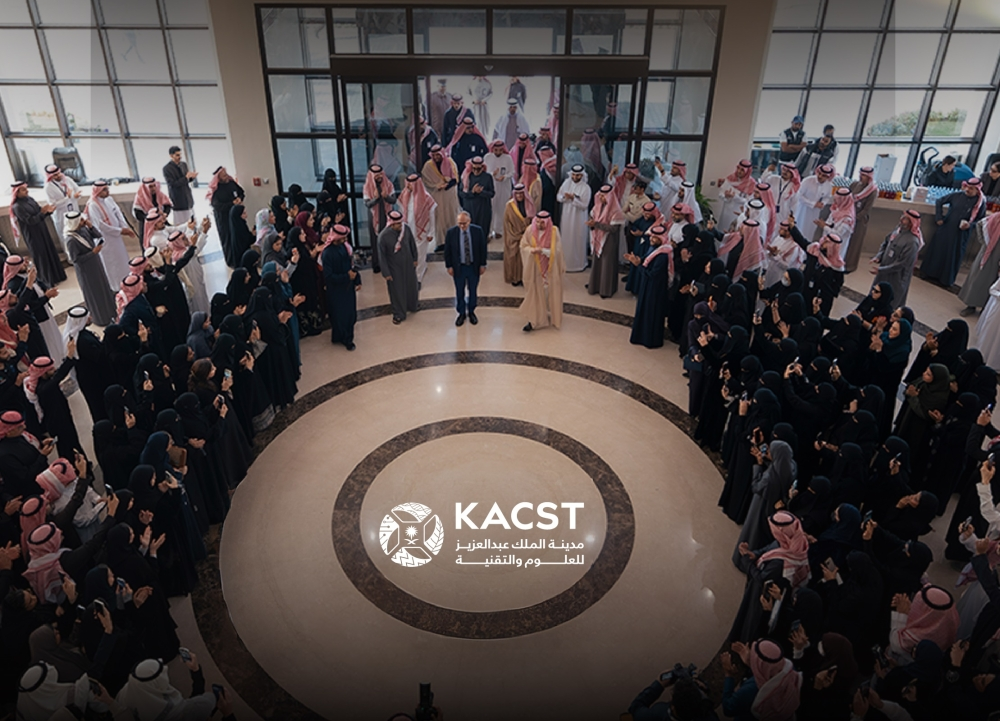
احتفت مدينة الملك عبدالعزيز للعلوم والتقنية (كاكست) بالبروفيسور عمر بن مؤنس ياغي، أحد أبرز علماء الكيمياء في العالم، تقديرًا لإسهاماته العلمية الرائدة التي وضعته في مصاف المرشحين لأرفع الجوائز العالمية. ويشرف البروفيسور ياغي على مركز التميز المشترك في المواد النانوية لتطبيقات الطاقة النظيفة بين “كاكست” وجامعة كاليفورنيا بيركلي، ويُعد عمله تتويجًا للجهود السعودية في دعم الكفاءات العلمية المتميزة.
خلفية تاريخية: من هو عمر ياغي وما هي الكيمياء الشبكية؟
البروفيسور عمر ياغي، العالم الأمريكي من أصل أردني، هو مؤسس “الكيمياء الشبكية” (Reticular Chemistry)، وهو فرع مبتكر من الكيمياء يركز على تصميم وبناء مواد بلورية جديدة عن طريق ربط “وحدات بناء” جزيئية في هياكل شبكية منظمة. أشهر ابتكاراته هي “الأطر المعدنية العضوية” (MOFs) و”الأطر التساهمية العضوية” (COFs). تتميز هذه المواد بمسامية فائقة ومساحة سطح داخلية هائلة، مما يجعلها أشبه بإسفنج جزيئي قادر على التقاط وتخزين وفصل الغازات والجزيئات بدقة وكفاءة غير مسبوقة.
أهمية الحدث في سياق رؤية المملكة 2030
يأتي هذا الاحتفاء، الذي أقيم بحضور معالي رئيس (كاكست) الدكتور منير بن محمود الدسوقي، كتجسيد حي لتوجهات رؤية المملكة 2030، التي تضع البحث والتطوير والابتكار في صميم استراتيجيتها لبناء اقتصاد معرفي متنوع ومستدام. يمثل الاستثمار في علماء من الطراز العالمي مثل البروفيسور ياغي، وإنشاء مراكز بحثية مشتركة مع جامعات عالمية مرموقة كجامعة بيركلي، خطوة استراتيجية لتحويل المملكة إلى مركز عالمي للعلوم والتقنية، وجذب العقول المبدعة، وتوطين المعرفة المتقدمة.
وفي كلمته خلال الاحتفاء، ثمّن البروفيسور عمر ياغي دعم القيادة الرشيدة، مؤكدًا أنه كان العامل الحاسم في تهيئة بيئة محفزة للعلماء والباحثين، مما مكنهم من تحقيق إنجازات نوعية عالمية. وأشار إلى أن رؤية القيادة بالاستثمار في الكفاءات الوطنية أسهمت في بناء منظومة بحثية متكاملة تضع المملكة في مصاف الدول الرائدة علميًا. وأكد أن التعاون مع “كاكست” يشكّل نموذجًا ملهمًا للشراكات طويلة الأمد التي تنقل العلم من مرحلة الاكتشاف النظري إلى تطبيقات ذات أثر واقعي وملموس.
التأثير العالمي لأبحاث الكيمياء الشبكية
تتجاوز أهمية أبحاث البروفيسور ياغي الحدود المحلية لتلامس أبرز التحديات العالمية. فالمواد التي ابتكرها تحمل وعودًا هائلة في مجالات حيوية مثل الطاقة النظيفة والبيئة. على سبيل المثال، يمكن استخدام الأطر المعدنية العضوية (MOFs) في احتجاز ثاني أكسيد الكربون من محطات الطاقة والمصانع للحد من ظاهرة الاحتباس الحراري، وتخزين الهيدروجين بكفاءة كوقود نظيف للمستقبل، بل وحتى استخلاص المياه العذبة من الهواء في المناطق الصحراوية القاحلة. هذه التطبيقات تجعل من الشراكة بين “كاكست” وياغي مساهمة دولية فاعلة في إيجاد حلول للتغير المناخي وندرة الموارد.
إلهام الجيل القادم من العلماء
لم يقتصر الاحتفاء على التكريم، بل امتد ليشمل إلهام الجيل الجديد من الباحثين. حيث تم تكريم الفرق البحثية الفائزة في “هاكاثون الذكاء الاصطناعي لاكتشاف المواد”، الذي نظمته “كاكست” بالشراكة مع جامعة كاليفورنيا بيركلي. وقد أظهرت المشاريع الفائزة، التي ركزت على استخدام الذكاء الاصطناعي لتصميم مواد جديدة لاحتجاز الكربون، عمق المواهب الشابة وقدرتها على مواكبة أحدث التوجهات العلمية. وفي ختام الحدث، عقد البروفيسور ياغي جلسة حوارية مع الطلبة الموهوبين والباحثين، شاركهم خلالها خبراته وتجاربه، مؤكدًا على أهمية بناء أساس علمي متين وتطوير المهارات البحثية للمساهمة بفعالية في مستقبل الابتكار.