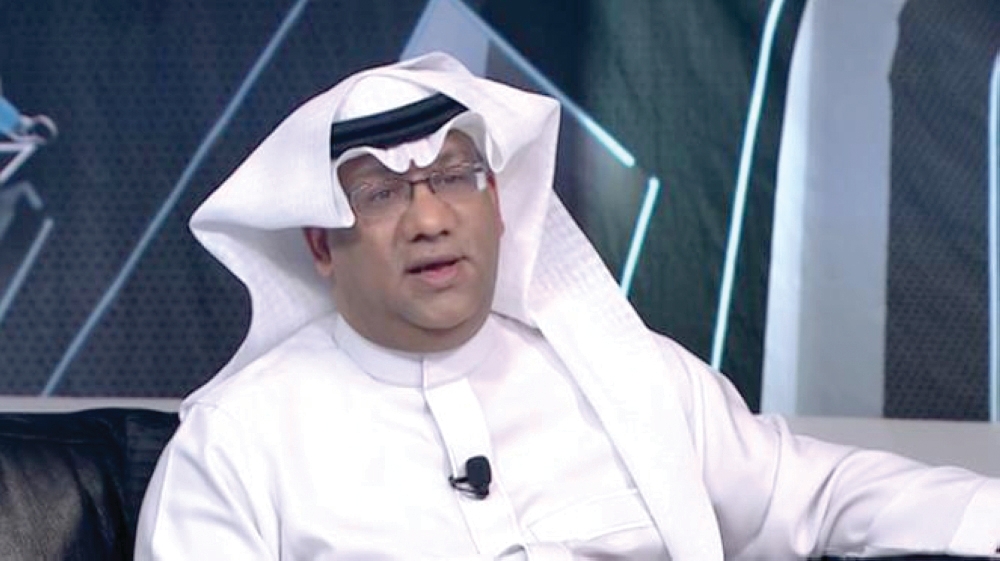
In the world of football, names are etched in memory not only for goals and championships, but also for decisive decisions and leadership on the pitch. Omar Al-Muhanna one of the most prominent figures who left an indelible mark on the history of Saudi sports, not only as a former international referee, but also as an administrator who led the referees' committee during a period marked by major challenges, leaving a legacy that is invoked whenever crises of confidence threaten local refereeing.
Historical context: When the Saudi whistle was global
To understand the depth of the current crisis, we must look back a little. Saudi refereeing was never a marginal element of the game; it was a fundamental pillar that reached global prominence. The past decades witnessed a remarkable presence of Saudi referees in the World Cup and major Asian competitions, through names like Falah Al-Shanar, Abdulrahman Al-Zaid, and Khalil Jalal. In that era, local referees enjoyed the technical expertise and public trust that qualified them to officiate the most important derby and classic matches without the urgent need to resort to foreign referees.
Crisis of confidence and the escape to foreign solutions
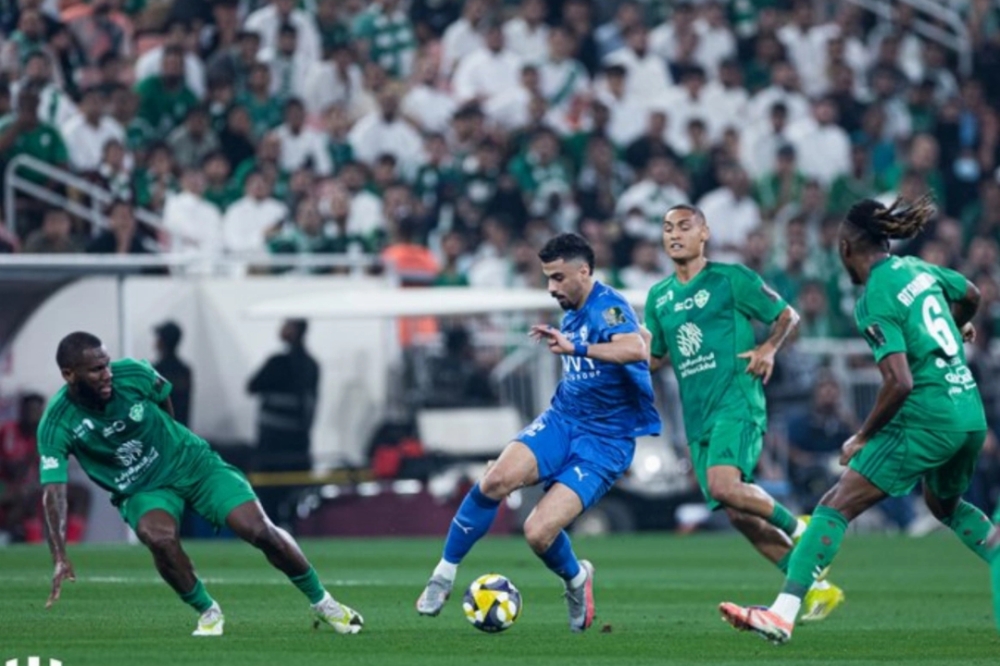
Today, the landscape has changed dramatically. Saudi stadiums are now teeming with foreign referees, not only for finals or high-stakes matches, but even for regular league games. The situation has even escalated to the point of bringing in a fourth official from abroad, an implicit—though unstated—indication of a decline in confidence in national talent. This excessive reliance on imported solutions has created a significant gap, with Saudi referees absent from Arab and regional tournaments, while referees from less developed footballing nations are present, raising serious questions about the future of refereeing in the Kingdom.
Omar Al-Muhanna's experience: Balance and justice
When reviewing the history of Saudi refereeing, Omar Al-Muhanna's tenure as head of the Referees Committee stands out as a model worthy of study. While mistakes are an inherent part of the game, Al-Muhanna succeeded in establishing the prestige of local referees and minimizing reliance on foreign referees. Perhaps the most compelling evidence of the integrity and fairness of that period is the diversity of the league champions, with Al-Fateh, Al-Shabab, Al-Ahli, Al-Nassr, and Al-Hilal all winning titles. This refutes conspiracy theories and confirms that Saudi referees were a contributing factor to the stability of the competition, not an obstacle to it.
Future impact: The need for a national project
The continued marginalization of Saudi governance not only harms the current generation but also stifles the aspirations of future generations. Development does not mean replacing local talent with foreign expertise; rather, it means investing in training, programs, and psychological and material support. Returning to the empowerment strategy that prevailed in previous eras, such as during Al-Muhanna's time, is not a luxury but an urgent necessity to restore Saudi Arabia's presence on the international stage.
In conclusion, the future of Saudi refereeing will not be built with ready-made solutions, but rather with a national project that restores the prestige of local referees and believes that the local referee is not a problem looking for an alternative, but rather the foundation upon which the comprehensive renaissance of Saudi football must be built.