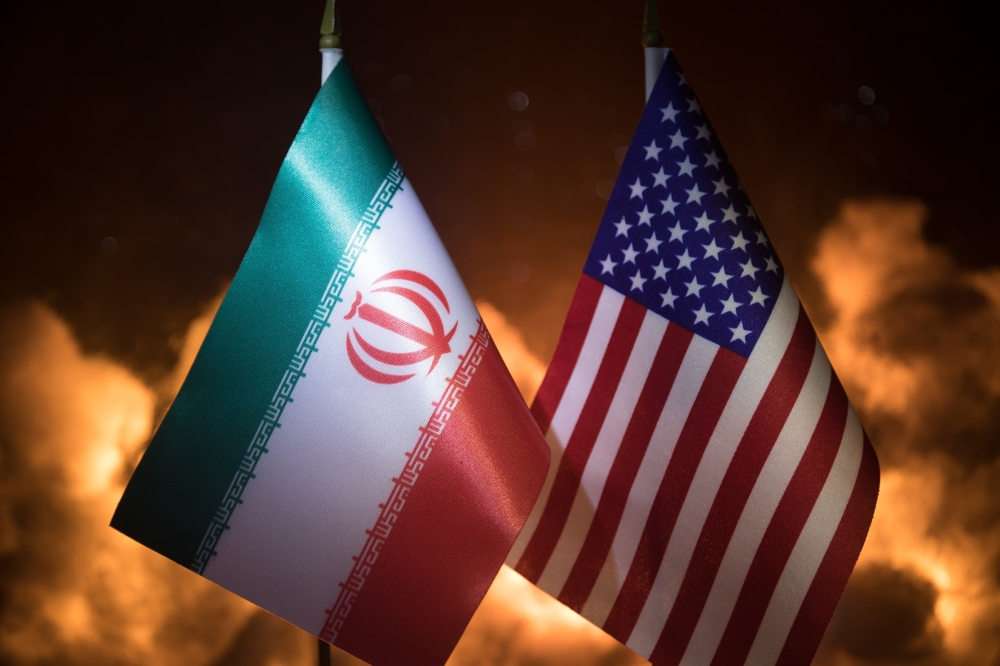
The international community's attention is once again focused on Muscat, the capital of Oman, which is scheduled to host a new round of indirect talks between the United States and the Islamic Republic of Iran next Friday. Iranian media outlets, including the Tasnim and ISNA news agencies, have confirmed that these negotiations will primarily focus on two key issues: the controversial Iranian nuclear program and the lifting of economic sanctions imposed by Washington on Tehran.
Historical context and Oman's role as an impartial mediator
These talks come amid ongoing tensions between the two countries, tensions that have existed for decades but were significantly exacerbated by the United States' unilateral withdrawal from the nuclear agreement (the Joint Comprehensive Plan of Action – JCPOA) in 2018 under former President Donald Trump. Since then, Washington has reimposed crippling economic sanctions aimed at disabling the Iranian economy, and Tehran has responded by increasing its uranium enrichment to levels far exceeding those permitted under the agreement, raising concerns among international powers and the International Atomic Energy Agency.
Oman has long played the role of a trusted and neutral mediator between Iran and the West, thanks to its balanced foreign policy and good relations with all parties. Muscat hosted the secret preliminary talks that ultimately led to the landmark nuclear agreement in 2015, making it a natural and preferred venue for such sensitive meetings aimed at building bridges and easing tensions.
The importance of conversations and their potential impact
This round of negotiations is particularly important given the escalating regional tensions in the Middle East, especially following attacks by Iranian-backed groups in the region. The Biden administration is seeking a diplomatic solution to contain Iran's nuclear program and prevent a slide into military confrontation, while Tehran sees the negotiations as an opportunity to alleviate the crippling economic pressure that has severely impacted the lives of its citizens.
Regionally, any progress in these talks could positively impact regional stability and contribute to reducing tensions in vital shipping lanes such as the Strait of Hormuz and the Bab el-Mandeb Strait. Internationally, reaching an understanding would bolster nuclear non-proliferation efforts and reassure global energy markets, which are vulnerable to any instability in the Middle East. While a major breakthrough is not expected immediately, the mere continuation of the dialogue is a positive step given the current tense atmosphere.