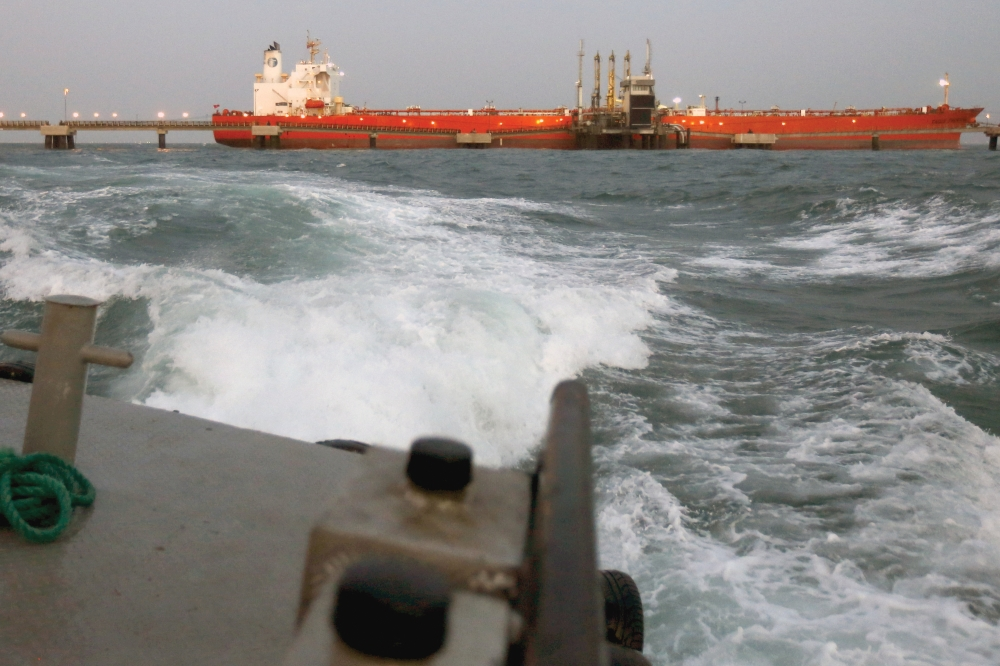
Crude oil shipping costs have surged to their highest level in six years amid escalating geopolitical risks in the Middle East, a vital global energy hub. This increase is driven by a combination of record-breaking oil exports from the region and growing fears of a potential military conflict between the United States and Iran, which threatens the stability of crucial shipping lanes.
According to data from the London Stock Exchange Group, the cost of chartering a Very Large Crude Carrier (VLCC) to transport two million barrels of crude oil from the Middle East to China has exceeded $170,000 per day. This figure represents a more than threefold increase since the beginning of the year, marking its highest level since April 2020, at the height of market turmoil caused by the coronavirus pandemic. This surge coincides with data revealing that crude oil exports from the Middle East surpassed 19 million barrels per day in February, bolstered by increased production from countries in the region and growing demand from India, which has reduced its imports of Russian oil.
Historical context and importance of the Strait of Hormuz
Concerns are particularly focused on the Strait of Hormuz , the strategic waterway through which nearly a fifth of the world’s daily oil consumption passes. This strait has long been a flashpoint for regional tensions. In the 1980s, during the Iran-Iraq War, the region experienced what became known as the “Tanker War,” in which commercial shipping was targeted by both sides, leading to a dramatic increase in insurance and shipping costs. Any threat to close the strait or militarize navigation there today would send shockwaves through global energy markets, reviving memories of past disruptions.
Regional and international economic impacts
The rise in shipping costs not only affects shipping companies but also the global economy as a whole. For oil-importing countries like China, India, and Japan, higher shipping costs mean increased energy import bills, which can contribute to domestic inflationary pressures. Internationally, any disruption to oil supplies from the Middle East will inevitably lead to higher global oil prices, impacting transportation, manufacturing, and electricity costs for consumers and businesses everywhere.
These concerns are compounded by the uncertainty surrounding war risk insurance premiums. Should military strikes occur, insurance costs for ships transiting the region are expected to rise significantly, adding a new financial burden to the cost of transporting each barrel of oil, a cost ultimately passed on to the end consumer. The market is closely monitoring developments, as continued tensions keep shipping rates on high alert, reflecting the current fragility of global energy security.