The territorial waters of the Middle East witnessed another security incident, adding to a series of maritime tensions, as an oil tanker attacked off the coast of Oman, resulting in casualties and material damage. The Omani Maritime Security Center confirmed the incident on Monday, stating that the attack targeted the commercial vessel while it was sailing in the Gulf of Oman, a development that once again highlights the risks threatening international shipping lanes in this vital region.
Details of the targeting of the oil tanker “MKD Fium”
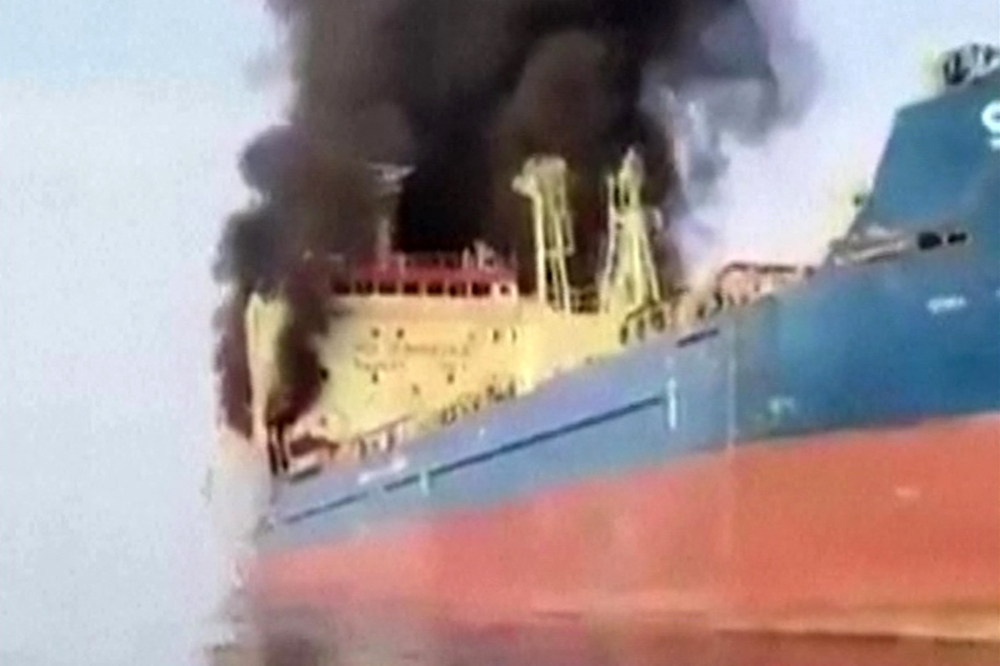
According to a statement issued by the Maritime Security Centre, an oil tanker named MKD VYOM, flying the flag of the Republic of the Marshall Islands, was attacked by an unmanned boat. The incident occurred approximately 52 nautical miles off the coast of Muscat Governorate. The Centre explained that the attack resulted in a fire and a powerful explosion in the ship's main engine room, causing significant damage that rendered the tanker unusable.
The tragic incident resulted in the death of one crew member, an Indian national. Authorities responded swiftly, evacuating the entire 21-member crew to ensure their safety. The crew comprised 16 Indians, 4 Bangladeshis, and 1 Ukrainian, giving the incident and its repercussions an international dimension.
A history of tensions in vital waterways
This incident cannot be separated from the broader context of the security situation in the region. The waterways surrounding the Arabian Peninsula, particularly near the Strait of Hormuz and the Gulf of Oman, are vital arteries for the global economy, carrying a significant portion of the world's energy supply. Over the past few years, this region has witnessed similar incidents targeting commercial vessels and oil tankers, often linked to escalating regional geopolitical tensions.
Historically, unmanned boats and sea mines have been used as tools in asymmetric conflicts to threaten maritime navigation, making securing these waterways a persistent challenge for international and local naval forces. This attack serves as a reminder to the international community of the precarious security situation in these open waterways and the urgent need to strengthen monitoring and protection mechanisms.
Impact of the attack on an oil tanker and global energy security
Targeting any oil tanker in this region has repercussions that extend far beyond direct material losses. Economically, such incidents typically lead to an immediate spike in crude oil prices due to fears of supply disruptions. Shipping companies are also directly affected through increased insurance costs for vessels transiting areas designated as "high risk," ultimately impacting the global cost of goods.
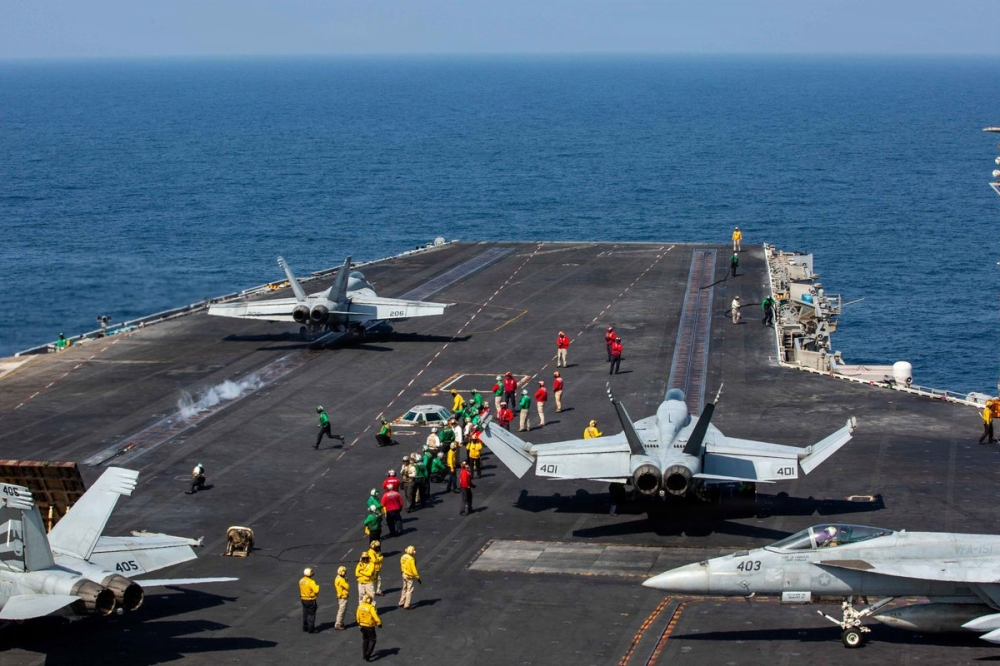
On the international level, the recurrence of these attacks is driving the formation of naval military alliances to guarantee freedom of navigation and increasing diplomatic pressure on those accused of destabilizing the region. Experts emphasize that protecting ship crews and maritime transport infrastructure requires close cooperation between coastal states and international powers to deter such threats and ensure the continued and secure flow of energy to the world.