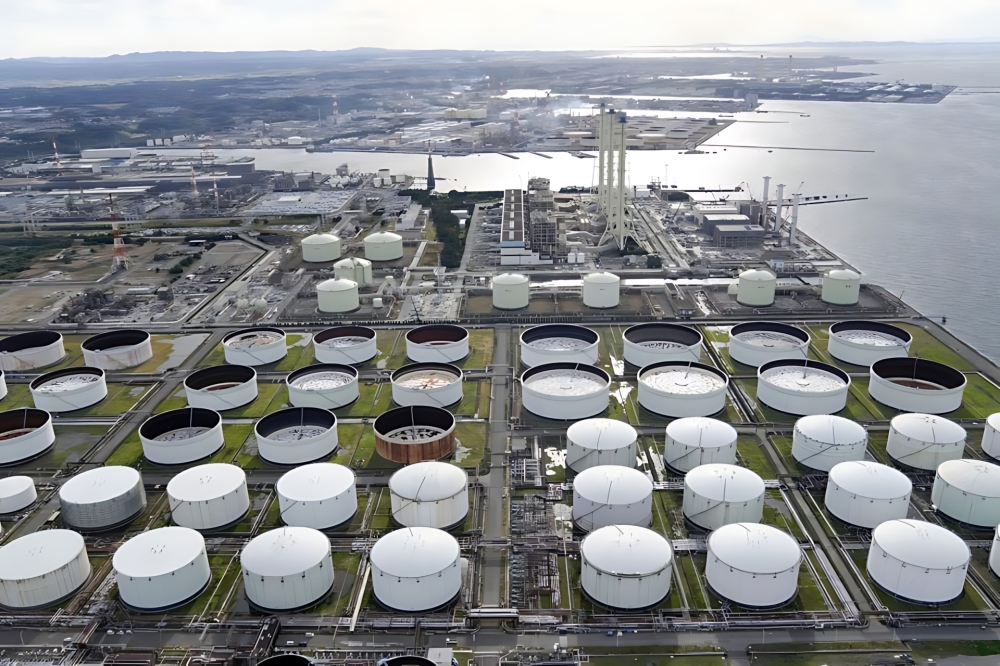
Traders and economic analysts expect oil prices their significant rise as trading sessions begin, coinciding with the start of the third week of the conflict with Iran. This ongoing escalation places further risks and pressure on oil infrastructure , particularly in the United Arab Emirates. Amid these developments, the strategic Strait of Hormuz remains closed, causing the most significant disruption to global energy supplies in modern times.
Historically, this is not the first time the world has witnessed energy crises linked to the Middle East. From the infamous oil crisis of the 1970s to the Tanker War of the 1980s, the region's waterways, most notably the Strait of Hormuz, have proven to be an indispensable artery for the global economy. Any threat to navigation in this strait has consistently led to sharp and sudden price shocks, as the industrialized and developing worlds rely heavily on the smooth and continuous flow of crude oil from the Gulf states to Asian and Western markets to meet their growing energy needs.
The repercussions of closing the Strait of Hormuz on oil prices and the global economy
This geopolitical event is of paramount importance and has far-reaching consequences on various levels. Locally and regionally, the budgets and development plans of both producing and consuming countries are affected by fluctuating revenues and exorbitant import costs. Internationally, the disruption of navigation through the Strait of Hormuz, through which approximately one-fifth of the world's crude oil supply passes daily, threatens a new wave of inflation that could cripple major economies and impede global growth. This critical situation has prompted the US administration under President Donald Trump to urge international allies to expedite the deployment of warships to help secure this strategic waterway and protect global trade from collapse.
The International Energy Agency intervenes to curb prices
In a serious attempt to control the situation, the International Energy Agency (IEA) an unprecedented emergency plan. It decided to immediately release more than 400 million barrels of strategic crude oil reserves to the market soon. This operation is one of the largest releases on record, aimed at countering the sharp rise in costs caused by the conflict in the Middle East. The agency explained that stocks located in Asia and Oceania would be released immediately, while stocks from Europe and the Americas would be available on the market by the end of March.
Futures market movements and future supply forecasts
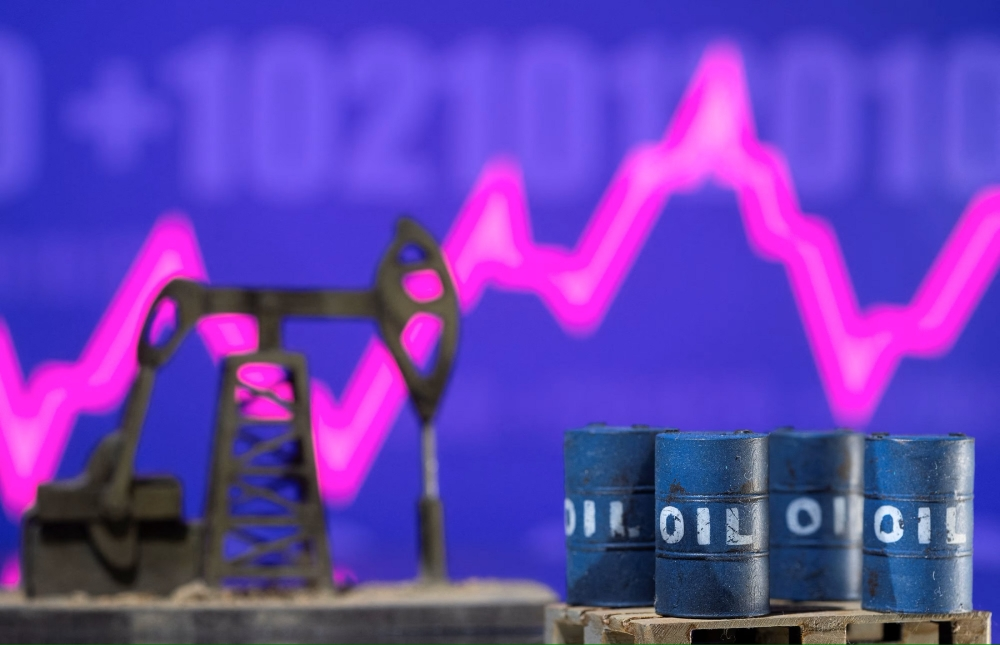
Brent crude futures prices have surged by more than 40% this month, reaching their highest levels since the 2022 crisis. This comes after US and Israeli attacks on Iranian targets brought shipping to a standstill. Global supply is expected to fall by 8 million barrels per day in March due to the shipping disruptions, while Middle Eastern producers have cut their output by at least 10 million barrels per day, according to data from the International Energy Agency.
Despite this bleak picture, some positive signs are emerging. US Energy Secretary Chris Wright stated that he expects military operations with Iran to end within the next few weeks. He affirmed that crude oil supplies will gradually recover once the situation stabilizes, paving the way for lower energy prices and easing the burden on the global economy.