Significant rise in global oil prices
Global oil prices surged nearly 3% at settlement, driven by a major disruption to US crude production. This disruption stemmed from a severe winter storm that battered key regions, directly impacting energy infrastructure and temporarily halting oil and gas exports from vital US Gulf Coast ports. Specifically, Brent crude, the international benchmark, climbed $1.98, or 3.02%, to close at $67.57 a barrel. Meanwhile, US West Texas Intermediate (WTI) crude rose $1.76, or 2.9%, to settle at $62.39 a barrel, reflecting market concerns about an immediate supply shortage.
Storm impact on US production and exports
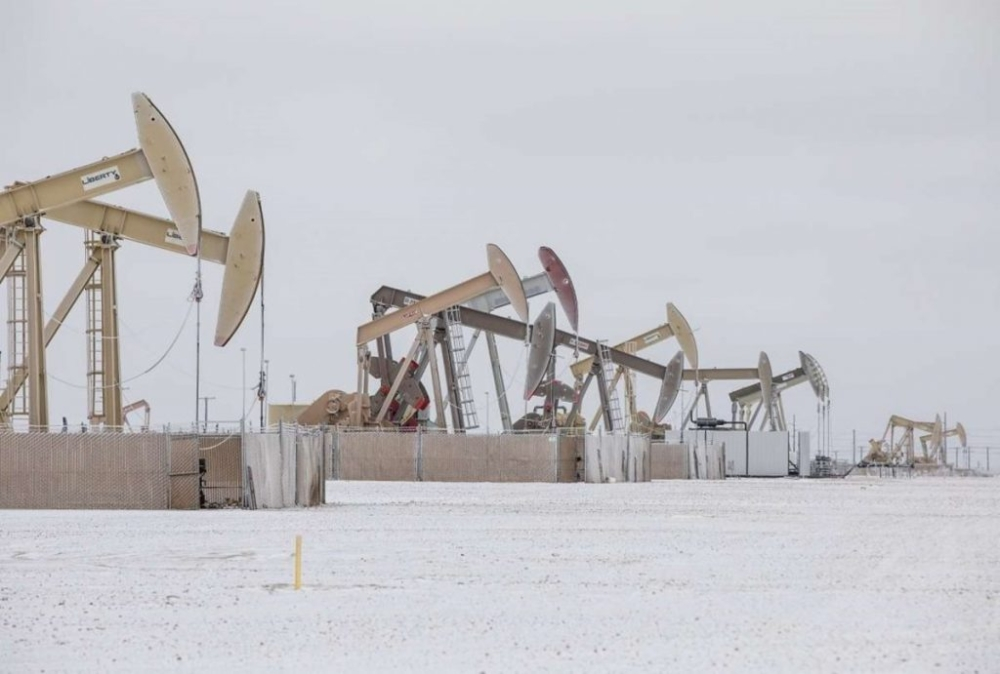
Initial estimates indicated that U.S. crude oil production fell by as much as 2 million barrels per day, representing about 15% of the country's total output. This sharp decline resulted from the immense strain placed by severe weather, including freezing temperatures, on power grids, production facilities, and oil fields, particularly in Texas, the heart of the U.S. energy industry. The storm also caused the temporary closure of major ports on the Gulf Coast, halting exports of crude oil and liquefied natural gas, before operations gradually resumed as weather conditions improved.
Historical context: Recurring energy crises due to weather
This is not the first time global energy markets have been affected by severe weather in the United States. The event is reminiscent of Winter Storm Uri, which struck Texas in February 2021, causing widespread power outages and bringing oil and gas production to a near standstill for several days, sending shockwaves through global energy markets. These recurring events demonstrate the vulnerability of the region's energy infrastructure to extreme weather events and how quickly a localized incident can escalate into a global supply crisis impacting prices worldwide.
Global impact and other supporting factors
This disruption to US supplies comes at a sensitive time for global markets. On the supply front, one of Central Asia's largest oil fields is experiencing a slow recovery following a technical incident, further tightening the market. Additionally, geopolitical tensions in the Middle East remain a major support for oil prices, raising concerns about potential supply disruptions from key producers. These factors coincide with market expectations that the OPEC+ alliance will maintain its current production cuts at its upcoming meeting, further restricting supply and supporting prices at their current high levels.