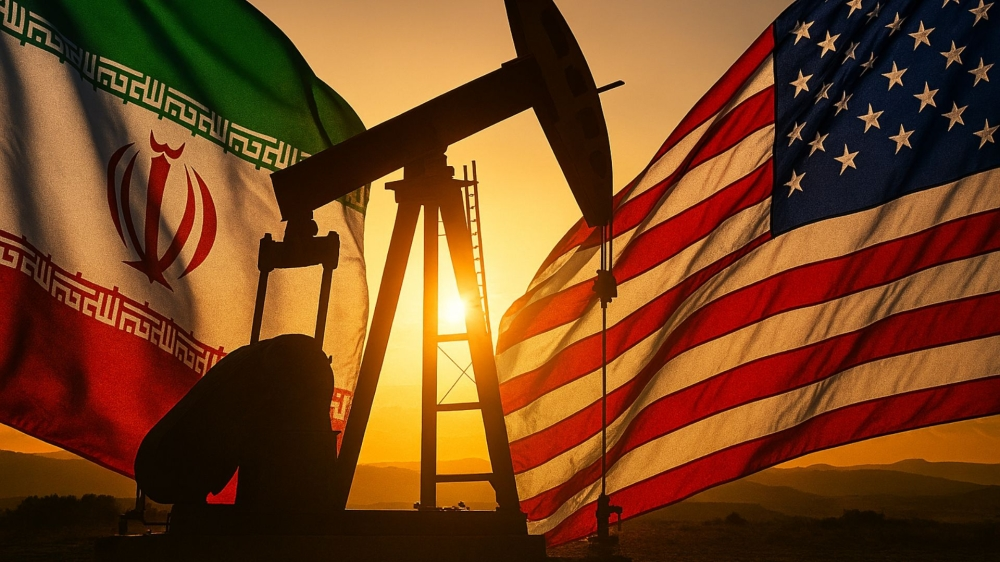
Oil prices continued their rise in trading on Thursday, amid anticipation in global markets due to the uncertainty surrounding talks between the United States and Iran regarding Tehran's nuclear program, and the escalation of military activities in the Arabian Gulf region, which is the world's main energy artery.
In terms of prices, Brent crude futures, the global benchmark, rose 23 cents, or 0.3%, to $70.58 a barrel by 07:35 GMT. Meanwhile, U.S. West Texas Intermediate crude futures climbed 25 cents, or 0.4%, to $65.44 a barrel. This increase follows strong gains on Wednesday, when prices jumped more than 4% to their highest levels since late January, reflecting traders' concerns about potential disruptions to global oil supplies.
Background to the tensions: the nuclear issue and sanctions
The roots of the current tensions lie in the 2015 Iran nuclear deal (the Joint Comprehensive Plan of Action), from which the United States unilaterally withdrew in 2018 and reimposed crippling economic sanctions on Tehran, primarily targeting its oil exports. Since then, the two sides have engaged in intermittent, indirect negotiations to try to revive the agreement, but these have yet to yield any real breakthrough. Any news, positive or negative, about these talks directly impacts investor sentiment in energy markets, as a full return of Iranian oil to the market would increase global supply, while a failure of the talks would heighten the risk of military escalation.
The importance of the Strait of Hormuz and its impact on markets
Concerns are mounting in the markets due to the strategic importance of the Strait of Hormuz, through which nearly 20% of the world's total oil supply passes. These concerns intensified following Iranian media reports that Tehran temporarily closed the strait for several hours on Tuesday, without providing clear details about its full reopening. Any threat to close this vital waterway is seen as a major factor driving prices higher, as traders fear that any military confrontation between the United States and Iran could disrupt the flow of millions of barrels of oil per day, creating a severe global energy crisis and pushing prices to record highs.
Global and regional economic impact
The continued uncertainty not only affects oil prices but also the global economy as a whole. Higher energy costs fuel inflation, strain the budgets of oil-consuming nations, and slow economic growth. Regionally, the escalating tensions in the Middle East exacerbate instability, impacting investment and increasing the geopolitical risks facing countries in the region. Therefore, global oil markets remain hostage to political and military developments between Washington and Tehran, awaiting any indicators that might determine the course of supply and demand in the coming months.