Significant rise in global oil prices
Global energy markets got off to a positive start to the week, with oil prices rising more than 1% on Monday, driven by investor optimism about global demand and positive geopolitical factors. Specifically, Brent crude futures rose 89 cents, or 1.3%, to settle at $68.94 a barrel by 4:24 PM GMT. Meanwhile, U.S. West Texas Intermediate crude climbed 83 cents, or 1.3%, to $64.38 a barrel, reflecting strong market momentum.
The general context of oil market volatility
This rise comes in the context of an oil market highly sensitive to a wide range of factors. Historically, prices have been directly influenced by the balance of supply and demand, decisions by the Organization of the Petroleum Exporting Countries and its allies (OPEC+), and major economic indicators from key economies such as the United States and China. Geopolitical tensions in oil-producing regions also play a crucial role in determining price trends. Analysts closely monitor any developments that could affect supply stability, such as production disruptions or economic sanctions, which could lead to sharp price volatility.
Economic importance and impact
The rise in oil prices has mixed effects on the global economy. For importing countries, it leads to increased energy and production costs, which can contribute to higher inflation. For exporting countries, such as Saudi Arabia, it represents a significant boost to government revenues, enabling them to finance massive development projects and bolster their financial reserves. This additional financial inflow is particularly important given the Kingdom's ambitious plans.
Saudi Vision 2030: Diversifying the economy away from oil
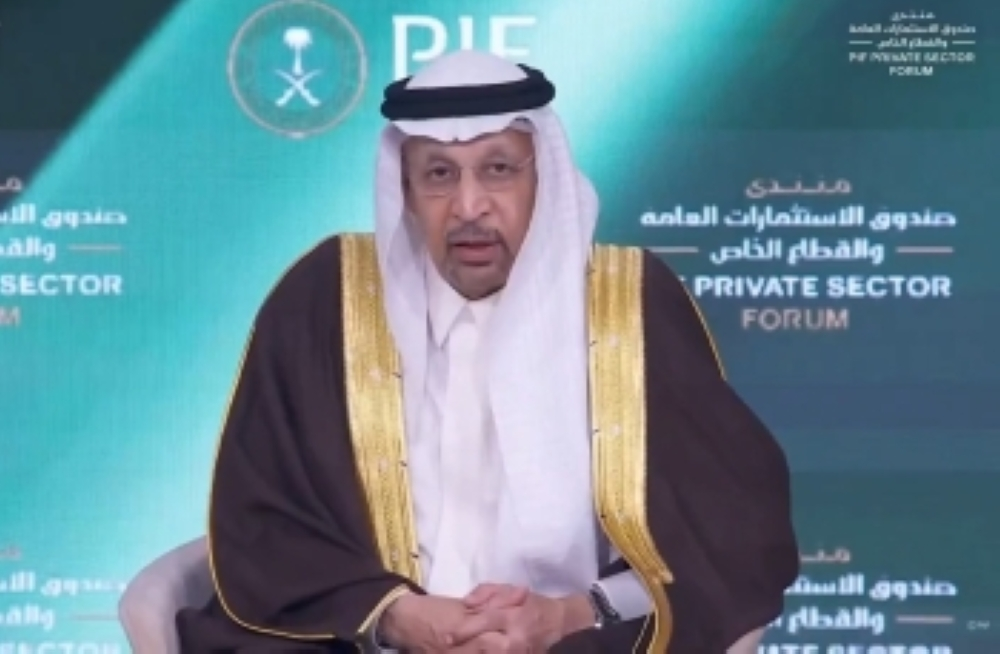
Despite the short-term benefits of higher oil prices, Saudi Arabia continues to press ahead with its long-term strategy to diversify its economy and reduce its dependence on oil, a cornerstone of Vision 2030. In this context, Minister of Investment Khalid Al-Falih affirmed that more than 40% of Saudi investments are now concentrated in the non-oil sector, with the aim of transforming the Kingdom into one of the top three investment destinations globally. Al-Falih explained that the restructuring of the Public Investment Fund (PIF) was a pivotal step in positioning it as the primary driver of this transformation toward a diversified and sustainable economy.
The minister added that the private sector is playing an increasingly important role in this process, with its investments accounting for approximately 65% of total investments, reflecting a decline in reliance on direct government investment. These efforts aim to develop promising sectors such as tourism, entertainment, technology, and logistics, creating new and stable sources of income that will ensure the Kingdom's long-term prosperity, regardless of the volatility of global energy markets.