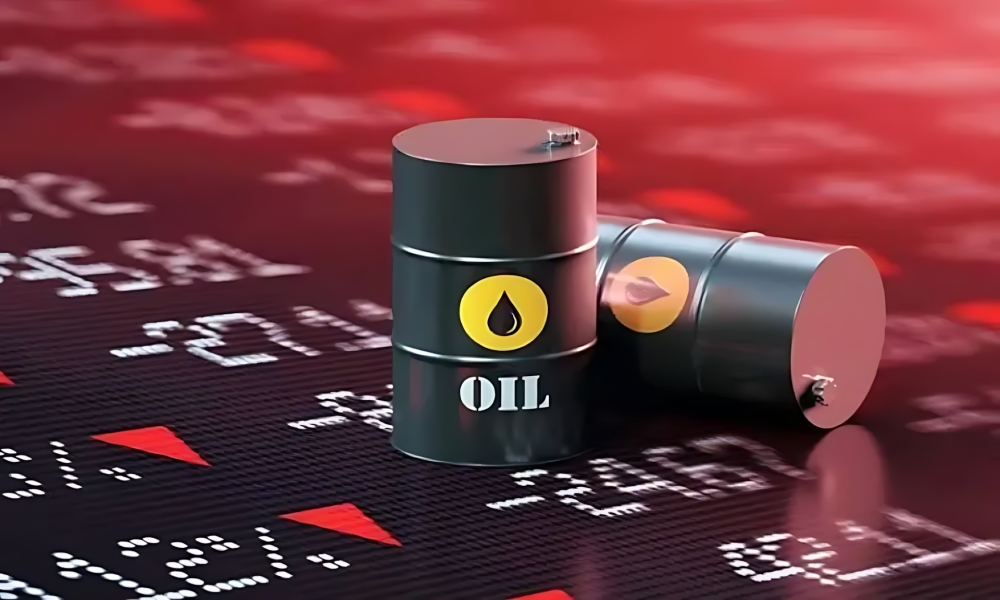
Oil prices rose sharply today, extending gains from the previous session, as geopolitical tensions weighed on investor sentiment in global markets. This surge comes as markets await any signals that could impact global supply chains, prompting traders to add a risk premium to current prices.
Brent and West Texas Intermediate crude oil performance
In midday trading, oil futures prices posted positive figures, with Brent crude (North Sea) for February delivery – the last day of trading for this contract – reaching $62.22 per barrel, a 0.45% increase. Similarly, West Texas Intermediate (WTI) crude for the same month rose to $58.32 per barrel, a 0.41% gain.
The impact of geopolitical tensions on energy markets
Experts and economic analysts believe the oil market is going through a highly sensitive period, directly and rapidly affected by ongoing geopolitical tensions around the world. These tensions are a crucial factor in determining price trends, given the persistent concerns about potential disruptions to crude oil supplies, particularly in regions considered vital to global energy flows. Political uncertainty typically prompts investors to hedge by purchasing futures contracts, which drives prices up.
Economic background and supply and demand mechanisms
These price movements occur within a broader economic context, where supply and demand play a crucial role. Historically, when security concerns coincide with reports on global inventory levels or decisions by major alliances like OPEC+, the market reaction is amplified. Maintaining market equilibrium requires political stability that ensures the uninterrupted flow of oil from production areas to consumption areas, and any threat to this flow is immediately reflected in the green screens of global stock exchanges.
Expected economic repercussions
Economically, rising oil prices have mixed effects on the global economy. For exporting countries, this translates to stronger public budgets and increased revenues. Globally, however, sustained high prices could lead to higher production and transportation costs, putting downward pressure on inflation in consuming countries. Central banks are closely monitoring these developments, as energy costs are a key component of both consumer and producer price indices.
In conclusion, attention remains focused on political and field developments, in addition to economic data coming from major economies, to determine the future path of black gold prices during the coming period.