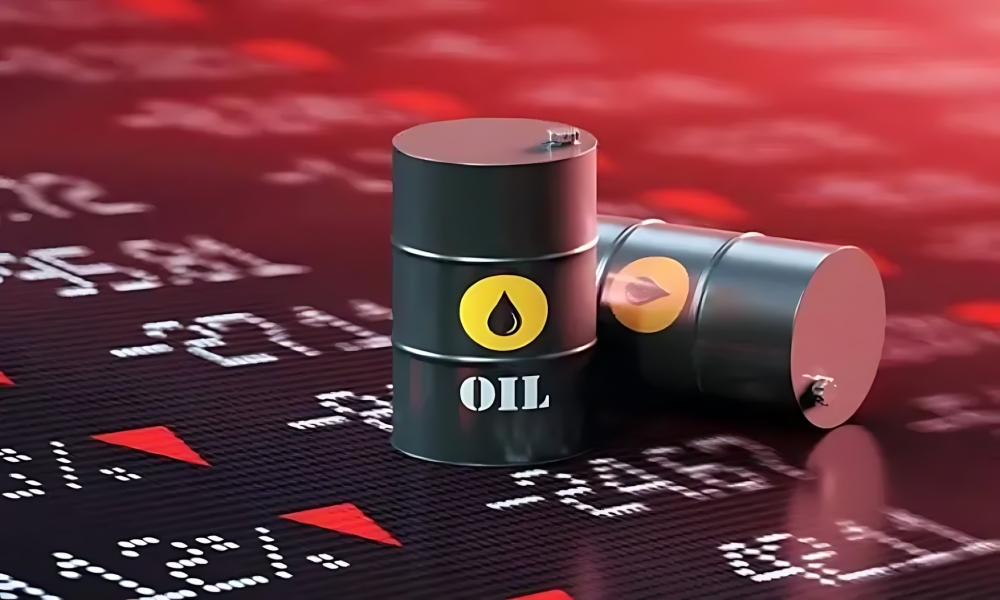
Global markets witnessed significant developments today, with oil prices to new highs driven by ongoing geopolitical tensions in the Middle East. This surge reflects investor concerns about potential disruptions to oil supplies from one of the world's most important energy-producing regions. Morning trading saw sharp increases in futures prices, further highlighting the sensitivity of energy markets to political and military events.
History of the impact of crises on global oil prices
The Middle East has long been a key driver of oil price trends over the decades. Given the overall context and historical background, any military or political escalation in this vital region immediately leads to sharp market fluctuations. Historically, major crises such as the oil embargo of the 1970s, the Gulf War, and ongoing tensions surrounding the Strait of Hormuz have created genuine concerns about supply security. This strategic strait carries a significant portion of the world's oil supply, and any threat to navigation there translates directly into a risk premium added to crude oil prices. Current tensions, particularly the Iranian-American conflict, are an extension of this long history of the interplay between geopolitics and energy economics.
The economic repercussions of rising oil prices
The significance of this event and its anticipated impact extend across multiple levels: local, regional, and international. Internationally, the continued rise in oil prices is driving up production and transportation costs, placing additional inflationary pressures on major economies already struggling to control inflation. Regionally, while oil-exporting countries may see an increase in their fiscal revenues in the short term, the escalating conflict threatens the overall stability that is essential for sustainable economic growth.
In recent figures, Brent crude futures for May delivery rose by $1.59, or 1.58 percent, to $102.05 a barrel. Meanwhile, West Texas Intermediate (WTI) crude futures for April delivery increased by $1.50, or 1.2 percent, to $96.88 a barrel.
The US administration's stance on the fuel crisis
Domestically in the United States, the priorities of the Trump administration in dealing with this crisis are becoming increasingly clear. President Trump has stated that he is not concerned about rising fuel prices in the US as a result of the escalating conflict with Iran. In remarks to Reuters, he emphasized that a US military operation in Iran remains his top priority at the moment, indicating the administration's willingness to bear short-term economic consequences in pursuit of strategic and security objectives.
US President Donald Trump he is not worried about rising fuel prices in the United States as a result of the escalating Iranian conflict, telling Reuters that the US military operation in Iran is his priority at the moment.
Details #EconomyToday pic.twitter.com/dcrDmVkYwr
— Al-Youm Economy (@alyaum_eco) March 5, 2026
These statements reflect a shift in policy, where geopolitical considerations and national security take precedence over the stability of domestic energy prices. As these tensions persist, investors remain cautiously watchful for any new developments that could push oil prices to unprecedented levels, compelling energy-importing countries to seek strategic alternatives to secure their needs and mitigate potential economic shocks.