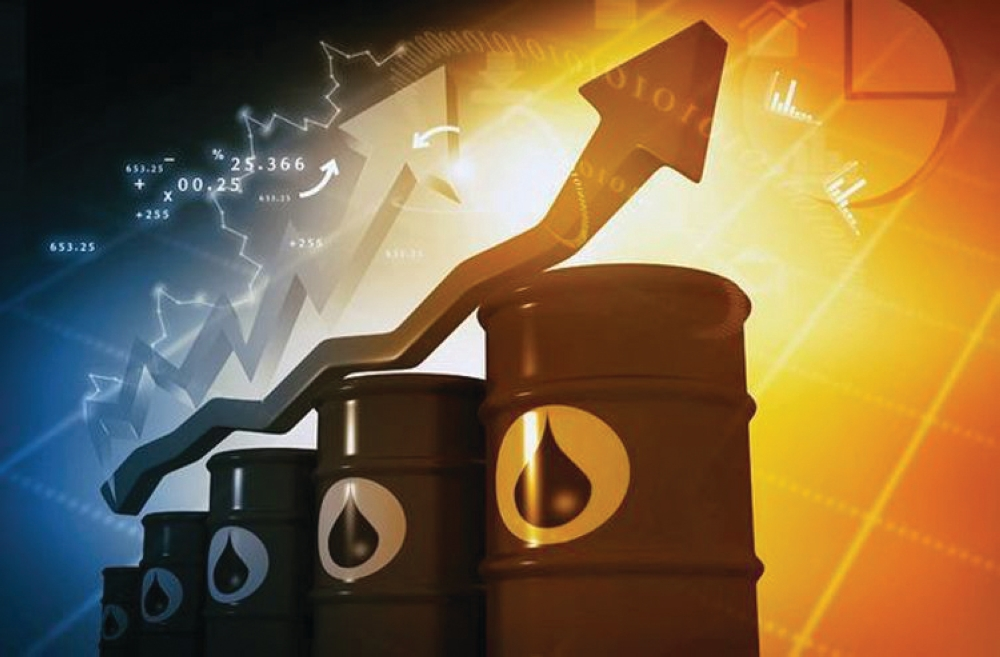
شهدت أسواق النفط العالمية حالة من الاستقرار النسبي المائل للارتفاع الطفيف خلال تداولات اليوم، حيث تراجع الزخم الصعودي القوي الذي ميز الجلسات السابقة، لتدخل الأسعار في مرحلة من التماسك والتقاط الأنفاس. ويأتي هذا التحرك في وقت يراقب فيه المستثمرون عن كثب مؤشرات العرض والطلب العالمية.
تفاصيل تداولات اليوم
وفقاً لأحدث البيانات السوقية، سجلت العقود الآجلة تحركات هامشية إيجابية، حيث ارتفع سعر خام برنت القياسي بمقدار ستة سنتات، أي ما يعادل 0.09%، ليصل إلى مستوى 64.19 دولاراً للبرميل عند التسوية. ويُعد هذا المستوى مهماً للحفاظ على المكاسب التي حققها الخام في الفترة الأخيرة.
وفي المقابل، صعدت عقود خام غرب تكساس الوسيط الأمريكي (تسليم شهر فبراير) بمقدار تسعة سنتات، أو ما يعادل 0.15%، لتستقر عند 59.53 دولاراً للبرميل. كما أظهرت عقود شهر مارس الأكثر نشاطاً ارتفاعاً بمقدار خمسة سنتات (0.08%) لتسجل 59.39 دولاراً للبرميل.
سياق الأسواق وآلية التسعير
يأتي هذا الارتفاع الطفيف في سياق طبيعي لأسواق المال والسلع، حيث غالباً ما تعقب موجات الصعود القوية فترات من الهدوء النسبي أو جني الأرباح، وهو ما يفسر تراجع حدة الزخم الشرائي مقارنة بالجلسة السابقة. وتعتبر هذه التحركات جزءاً من الدورة اليومية للمتداولين الذين يعيدون تقييم مراكزهم المالية بناءً على المعطيات الاقتصادية المستجدة.
الفرق بين خام برنت وغرب تكساس
من المهم الإشارة إلى الفروقات الجوهرية بين الخامين؛ حيث يُستخدم خام برنت كمعيار دولي لتسعير ثلثي إنتاج النفط العالمي، ويُستخرج من بحر الشمال، مما يجعله أكثر تأثراً بالأحداث الجيوسياسية في أوروبا والشرق الأوسط. بينما يعكس خام غرب تكساس واقع السوق الأمريكي الداخلي، وتتأثر أسعاره بشكل مباشر بمستويات المخزونات في الولايات المتحدة وحالة المصافي الأمريكية.
الأهمية الاقتصادية لتحركات النفط
تحمل أسعار النفط دلالات اقتصادية عميقة تتجاوز مجرد الأرقام اليومية؛ فاستقرار الأسعار فوق مستويات معينة (مثل 60 دولاراً لبرنت) يدعم ميزانيات الدول المنتجة للنفط ويعزز من خططها التنموية. في المقابل، تراقب الدول المستهلكة هذه الأسعار بحذر، حيث أن أي ارتفاعات حادة قد تؤدي إلى زيادة تكاليف الإنتاج والنقل، مما ينعكس سلباً على معدلات التضخم العالمية.
وختاماً، تظل أسواق الطاقة رهينة لعدة عوامل متغيرة، أبرزها قرارات منظمة “أوبك” وحلفائها، ومعدلات النمو الاقتصادي العالمي، بالإضافة إلى التوترات الجيوسياسية التي قد تطرأ في مناطق الإنتاج الرئيسية، مما يجعل التنبؤ بالاتجاهات طويلة الأمد يتطلب متابعة دقيقة لكافة هذه المتغيرات.