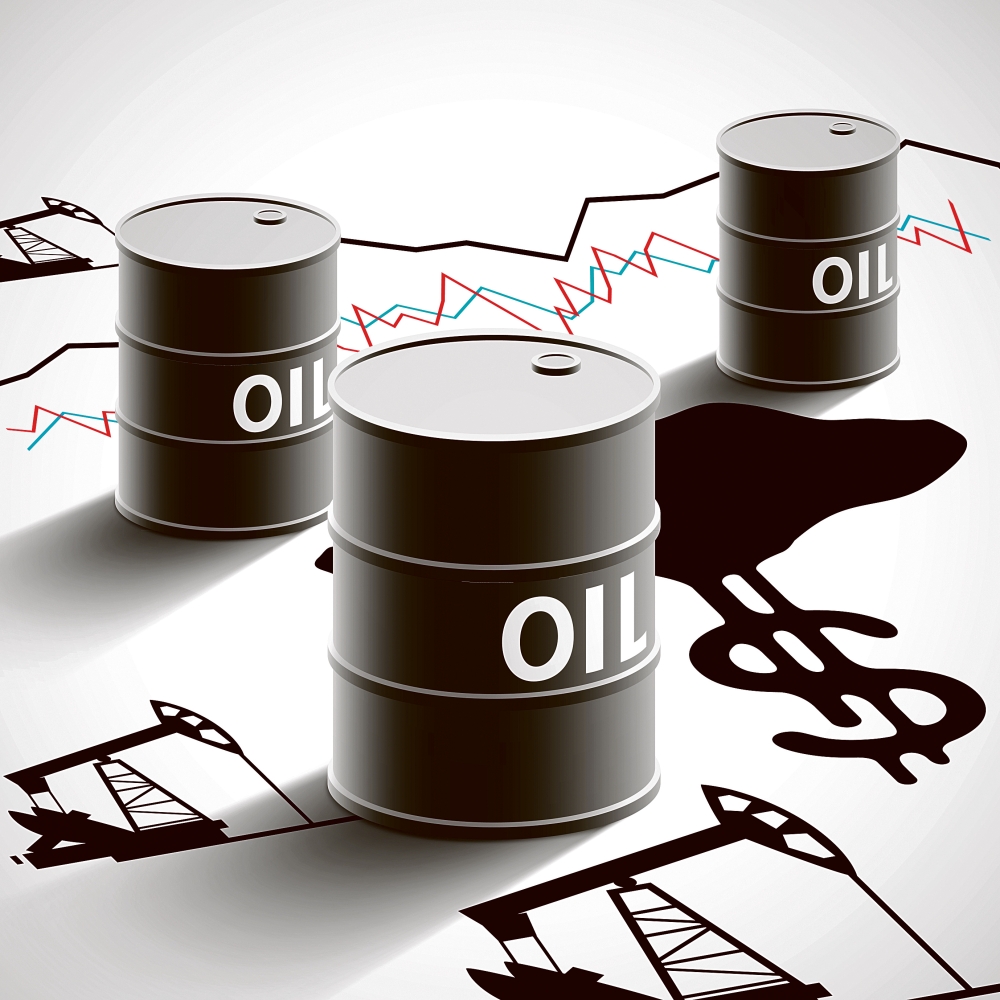
Global energy markets experienced relative stability today, albeit with considerable caution, as oil prices onto their gains amid investor anticipation of rapidly evolving international developments. Specifically, prices saw a slight increase, reflecting the market's sensitivity to current political and economic shifts.
Brent crude futures (March delivery) had risen 0.26% to $61.49 a barrel. Meanwhile, West Texas Intermediate (WTI (February delivery) climbed 0.31% to settle at $58.13 a barrel. This positive performance was supported by concerns about potential supply shortages stemming from geopolitical tensions.
The impact of geopolitical tensions on energy markets
Economic analysts believe that geopolitical tensions are playing a pivotal role in determining the current trajectory of oil prices. Historically, major oil-producing regions have always been a focal point of global attention, and any threat to stability in these areas immediately translates into a "risk premium" added to the price per barrel. This uncertainty allows oil to maintain its gains, as traders fear disruptions to supply chains or the movement of tankers through vital waterways.
The economic importance of price stability
The impact of oil price movements extends far beyond the energy sector, affecting the entire global economy. Oil is the lifeblood of industry and transportation, and any sharp rise in its price can increase production and shipping costs, which in turn puts downward pressure on global inflation. Conversely, producers and consumers alike strive for a price equilibrium that ensures continued investment in the energy sector without harming the economic growth of importing nations.
The difference between Brent crude and West Texas
It is important to note the technical context of these prices. Brent crude as an international benchmark for pricing two-thirds of global oil production, making it more sensitive to global geopolitical events. West Texas Intermediate (WTI) crude, the dynamics of the US market more closely and is used as a primary indicator by the United States. The price difference between the two crudes remains an important indicator monitored by economists to gauge market efficiency and ocean transportation costs.
In conclusion, all eyes remain on upcoming political developments, which will be the decisive factor in determining whether oil prices will continue their upward trajectory or return to stability at lower levels.