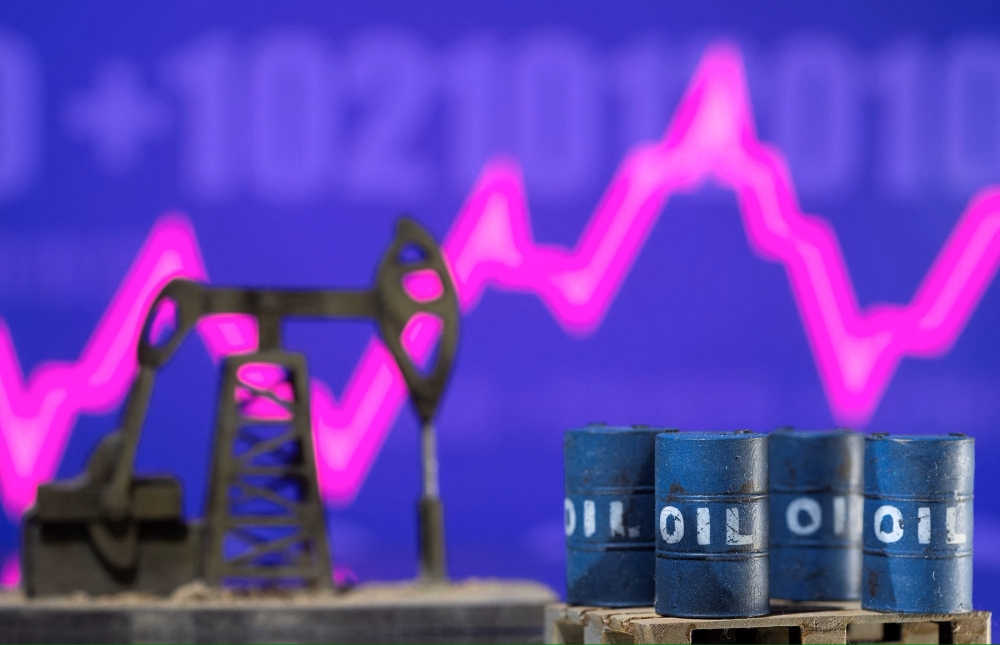
واصلت أسعار النفط العالمية ارتفاعها الملحوظ لليوم الثالث على التوالي، حيث سجلت مكاسب بلغت نسبتها 1.5% اليوم الخميس. ويأتي هذا الارتفاع مدفوعًا بتزايد قلق المستثمرين في أسواق الطاقة من احتمالية نشوب مواجهة عسكرية بين الولايات المتحدة وإيران، الأمر الذي يهدد بتعطيل إمدادات النفط الحيوية من منطقة الشرق الأوسط.
وفي تفاصيل التداولات، ارتفعت العقود الآجلة لخام برنت القياسي العالمي بمقدار 94 سنتًا، أي ما يعادل 1.4%، لتستقر عند 69.34 دولار للبرميل بحلول الساعة 07:30 بتوقيت جرينتش. كما شهد خام غرب تكساس الوسيط الأمريكي ارتفاعًا مماثلاً، حيث زاد سعره بواقع 92 سنتًا، أو 1.5%، ليصل إلى 64.13 دولار للبرميل، مما يعكس حالة الترقب التي تسيطر على الأسواق.
خلفية التوترات وتأثيرها على الأسواق
تعود جذور هذه الموجة من التصعيد إلى سياسة “الضغط الأقصى” التي تتبعها الإدارة الأمريكية بقيادة الرئيس دونالد ترامب تجاه طهران، بهدف إجبارها على إعادة التفاوض بشأن برنامجها النووي ونفوذها الإقليمي. وقد شملت هذه السياسة الانسحاب الأمريكي من الاتفاق النووي عام 2018 وإعادة فرض عقوبات اقتصادية صارمة، بالإضافة إلى التهديدات المتكررة بشن ضربات عسكرية. ومؤخراً، تم تعزيز هذه التهديدات بإرسال قطع بحرية أمريكية، بما في ذلك حاملة طائرات ومجموعة قاذفات، إلى المنطقة لردع ما وصفته واشنطن بـ”التهديدات الإيرانية”.
أهمية المنطقة لإمدادات الطاقة العالمية
تكتسب هذه التوترات أهمية خاصة بالنظر إلى الدور المحوري الذي تلعبه منطقة الخليج في استقرار أسواق الطاقة العالمية. فمضيق هرمز، الذي تطل عليه إيران، يعد أهم ممر مائي لشحنات النفط في العالم، حيث يمر عبره ما يقرب من خُمس الاستهلاك العالمي. وأي اضطراب في حركة الملاحة عبر هذا المضيق، سواء كان نتيجة عمل عسكري مباشر أو توترات متزايدة، من شأنه أن يؤدي إلى صدمة في الإمدادات تدفع الأسعار إلى مستويات قياسية، مما يؤثر سلبًا على الاقتصاد العالمي، وخصوصًا الدول المستوردة للنفط.
تحليلات وتوقعات مستقبلية
يراقب المحللون عن كثب تطورات الأزمة، وقد بدأت الأسواق بالفعل في تسعير “علاوة المخاطر الجيوسياسية”. وفي هذا السياق، أشار محللون في “سيتي جروب” في مذكرة حديثة إلى أن احتمالية تعرض إيران لهجوم قد أضافت بالفعل ما بين 3 إلى 4 دولارات للبرميل كعلاوة مخاطر. وتوقعوا أنه في حال حدوث أي تصعيد إضافي، فإن أسعار خام برنت قد تتجه نحو مستوى 72 دولارًا للبرميل خلال الأشهر الثلاثة المقبلة. وتبقى الأسواق في حالة تأهب قصوى، حيث يتوقف مسار الأسعار على طبيعة الخطوات التالية لكل من واشنطن وطهران.