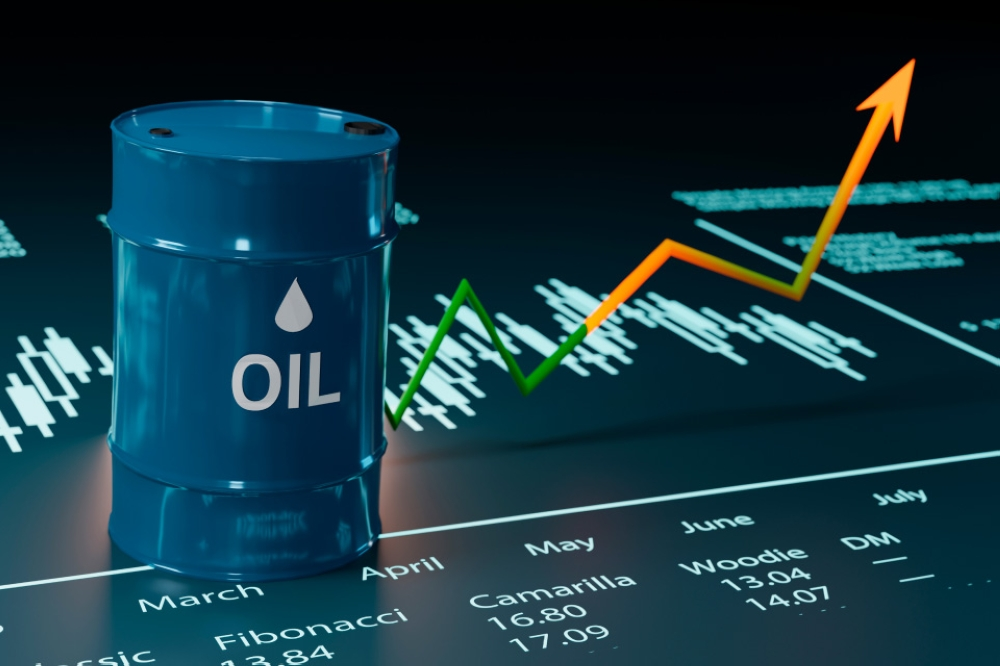
Global energy markets witnessed a remarkable positive shift during today's trading, with oil prices a strong rise exceeding 3% at settlement, thus offsetting the losses incurred over the past two days, indicating a return of buying momentum and renewed investor confidence in market fundamentals.
Futures contract performance details
Brent crude futures rose by $2.03, or 3.39%, to settle at $61.99 per barrel. This level is a significant indicator of price stability above the $60 mark, a key psychological and technical level for market participants.
Similarly, gains weren't limited to Brent crude; West Texas Intermediate ( WTI) futures rose by $1.77, or 3.16%, to settle at $57.76 a barrel. This simultaneous rise in both crudes reflects a general sense of optimism prevailing in the trading world.
Context of energy market volatility
This rise is a natural reaction to market mechanisms known as "technical rebounds" following short-term sell-offs. Investment portfolios and hedge funds often take advantage of price declines to strengthen their long positions, betting on a recovery in global demand. These moves play a pivotal role in restoring price balance and preventing prices from falling to levels that could harm the energy investment sector.
Economic importance and expected impacts
This recovery carries significant economic implications both locally and internationally:
- At the level of producing countries: Stable prices at high levels contribute to strengthening public budgets and supporting economic development plans, as oil is considered the lifeblood of many emerging and developed economies.
- At the global economic level: Oil prices are a vital indicator of the health of the global economy; their balanced rise usually reflects expectations of growth in industrial activity and increased demand for transportation and logistics services.
- Impact on inflation: The Federal Reserve and central banks around the world are watching these movements carefully, as a large and sustained rise could put pressure on production costs and affect global inflation rates.
In conclusion, oil markets remain highly sensitive to geopolitical variables and strategic inventory data, making today’s settlement session a starting point for monitoring market trends in the coming period, and whether this rise will establish a new upward wave or is merely a temporary correction.