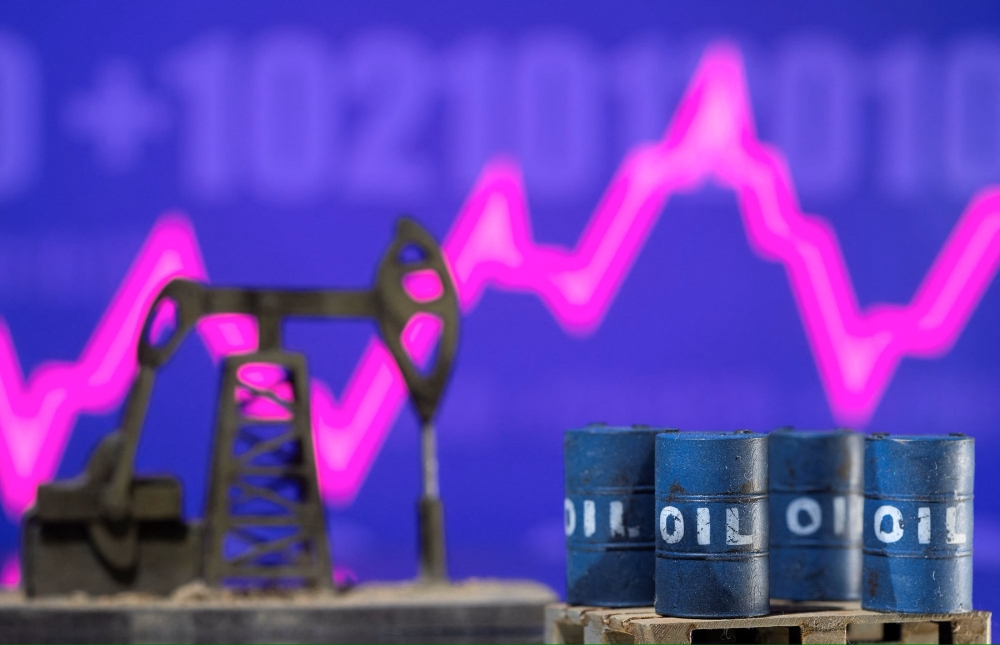
Global energy markets witnessed a significant surge in oil prices, with US West Texas Intermediate (WTI) crude reaching its highest level in six months, driven by escalating geopolitical concerns in the Middle East. This rise comes amid growing market anxiety that diplomatic talks between the US and Iran may not be sufficient to avert a new conflict, threatening the stability of global oil supplies from this vital region.
In trading details, the price of West Texas Intermediate crude jumped 2.2% to $66.62 a barrel, its highest price since last August. Similarly, Brent crude, the global benchmark, rose 2% to $71.76 a barrel, reflecting the prevailing anticipation and anxiety among investors and traders in the energy market.
Background of tensions and their historical impact on markets
The roots of the current tensions lie in decades of complex relations between Washington and Tehran, but they escalated significantly after the United States withdrew from the Iran nuclear deal (the Joint Comprehensive Plan of Action) in 2018 and reimposed crippling economic sanctions on Iran aimed at restricting its oil exports and crippling its economy. This policy, known as “maximum pressure,” has elicited mixed responses from Iran and increased the likelihood of confrontation in vital maritime shipping lanes.
The Strait of Hormuz, through which nearly one-fifth of the world's daily oil consumption passes, is considered the most critical chokepoint in the world. Any disruption or closure of this waterway, even temporarily, could trigger a shock to global energy supplies, causing a sharp and immediate spike in prices and negatively impacting the global economy.
Importance and expected impacts at the regional and international levels
The rise in oil prices not only impacts energy markets but also the global economy as a whole. Internationally, oil-importing countries such as China, India, and the European Union face higher energy bills, which could lead to inflationary pressures and slower economic growth. For producing countries, particularly in the Gulf region, higher prices boost their revenues but come with increased security risks that could threaten the stability of the entire region.
Domestically in the United States, higher crude oil prices translate directly into higher gasoline prices for consumers, which can impact consumer spending and become a sensitive political issue. Conversely, US shale oil producers benefit from higher prices, making their operations more profitable. Given these circumstances, oil markets remain vulnerable to political developments in the Middle East, where any further escalation could push prices even higher, increasing uncertainty in the global economy.