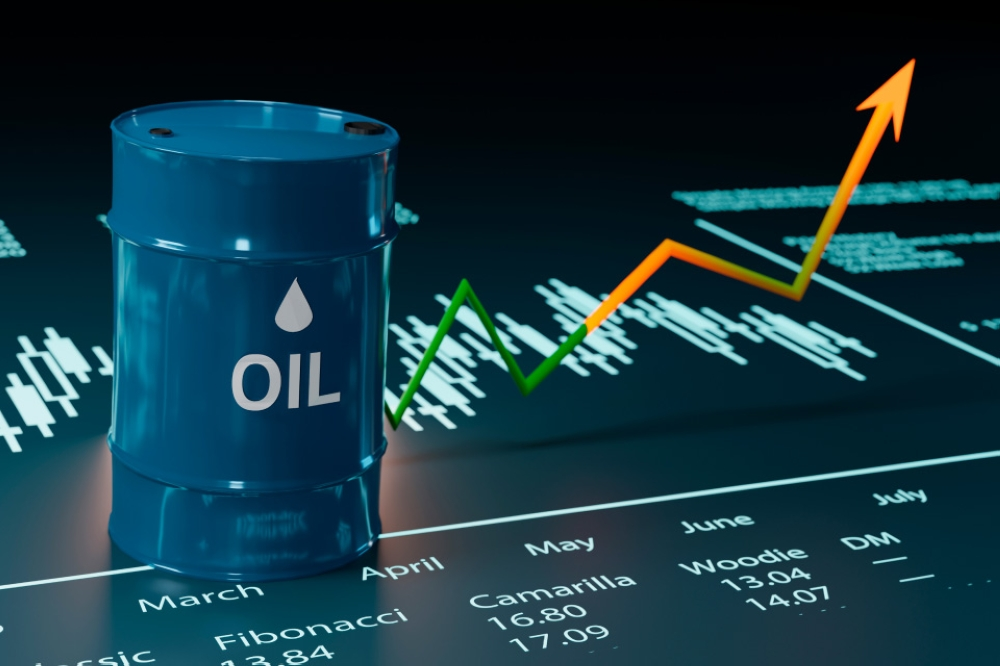
Global energy markets witnessed a significant surge in oil prices on Thursday, with prices rising by more than 5% to reach their highest levels since last August. This increase was primarily driven by escalating geopolitical tensions in the Middle East, specifically the threats made by US President Donald Trump against Iran, which have raised serious concerns in the markets about the potential disruption of global crude oil supplies.
General context and historical background of the event
The roots of the current tension lie in a complex and strained relationship between the United States and Iran that has existed for decades, but it escalated significantly after the Trump administration’s 2018 decision to withdraw from the 2015 nuclear agreement (Joint Comprehensive Plan of Action). This withdrawal was followed by the reimposition of crippling economic sanctions on Tehran, aimed at exerting “maximum pressure.” In response, Iran reduced its commitments under the agreement and increased its nuclear activities, plunging the region into a cycle of tit-for-tat escalation.
Statements that ignite the markets
The latest wave of anxiety came after the US president on Wednesday pressured Tehran to reach a new agreement on its nuclear program, indicating that “time is running out” before a potential US military strike. These remarks, coinciding with the Iranian authorities’ crackdown on internal protests, were interpreted by markets as a dangerous sign of impending confrontation. In this context, Jorge León of Rystad Energy was quoted as saying, “The speed with which oil prices reacted suggests that markets view a US military strike against Iran as a real and imminent threat.”.
The importance of the event and its expected impact
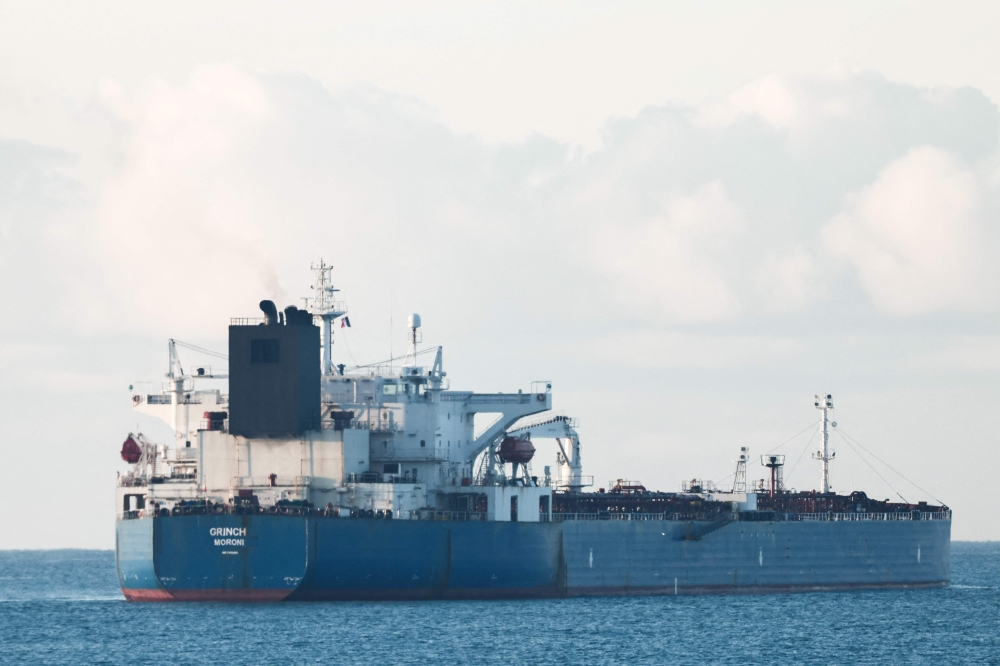
The danger of this escalation lies in Iran's pivotal role in the global energy market. Not only is Iran among the world's top ten oil producers, but it also geographically controls the Strait of Hormuz, the most important waterway for global oil shipments, through which approximately 20% of total global oil consumption passes daily. Any military action in the region could lead to the closure of this strait or the disruption of navigation through it, causing a severe shock to global energy supplies and driving prices to record highs, negatively impacting the entire global economy.
Price movements and other factors
In trading, the price of Brent crude, the global benchmark, surpassed $70 a barrel for the first time in months, reaching $71.89 before settling at $70.73, a 3.41% increase. Meanwhile, the price of West Texas Intermediate (WTI) crude rose 3.43% to $65.36 a barrel. In addition to tensions with Iran, prices were also affected by other factors that contributed to reduced supply, such as disruptions at the Tengiz oil field in Kazakhstan and a temporary halt in US production due to the cold weather affecting the United States.