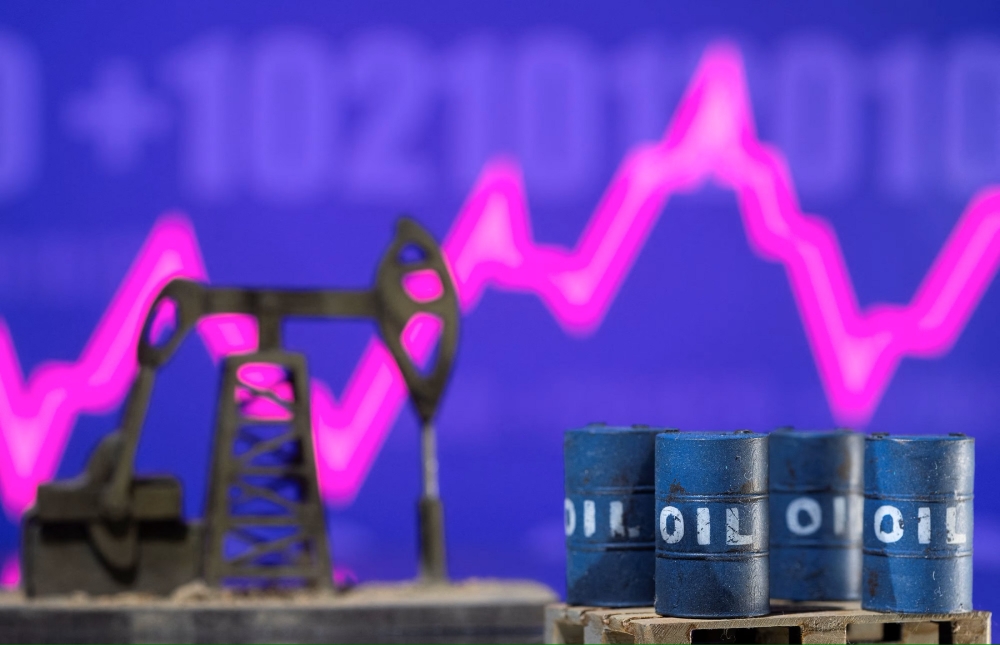
Oil prices surged by 5% on Wednesday amid escalating geopolitical tensions and growing fears of further disruptions to energy supplies in the Middle East. This sharp rise followed reports of an attack on Iran's massive South Pars gas field, adding a new layer of complexity to the regional and international landscape.
In trading, Brent crude futures rose $5.14, or 5%, to $108.56 a barrel at 6:30 p.m. GMT, after touching $109.95 earlier in the session. Meanwhile, U.S. West Texas Intermediate crude climbed $2.17, or 2.3%, to $98.38 a barrel, reflecting the prevailing anxiety among investors in global markets.
The strategic importance of the Pars field and its impact on oil prices
The South Pars field, shared by Iran and Qatar (where it is known as the North Field in Doha), is the world's largest natural gas field. Historically, this field has played a pivotal role in meeting Iran's domestic energy needs and solidifying its position as a major player in the global gas market. Targeting infrastructure of this magnitude not only threatens gas production but also has both psychological and practical repercussions, putting downward pressure on oil prices , as traders fear the conflict could spread to neighboring oil facilities or disrupt vital shipping lanes.
In this regard, analyst Ole Hvalby of ESB Bank pointed out that the attacks on Iran's South Pars gas field directly contribute to rising energy prices. He emphasized that any further escalation targeting energy infrastructure in the region will inevitably lead to even higher prices. The total potential oil production cuts in the Middle East under these circumstances are estimated at between 7 and 10 million barrels per day, equivalent to 7% to 10% of total global demand, highlighting the scale of the potential economic crisis.
The repercussions of the conflict on global shipping lanes
Current military tensions have brought shipping through the Strait of Hormuz, considered the world's most important oil chokepoint, to a near standstill. Approximately 20% of the world's oil supply, along with vast quantities of liquefied natural gas, passes through this strategic waterway. Any closure or threat to navigation in this vital waterway would immediately impact major economies heavily reliant on energy imports from the Arabian Gulf, potentially triggering a new wave of global inflation that would affect both emerging and developed markets and impact the cost of living worldwide.
US moves to contain supply crisis
In an urgent attempt to mitigate soaring prices and stabilize domestic markets, the US administration announced Wednesday a temporary 60-day exemption from the Jones Shipping Act. This exceptional measure allows foreign-flagged vessels to transport fuel, fertilizer, and other vital goods between US ports. This proactive step comes at a time when rising energy and agricultural product costs are severely straining supply chains, amidst ongoing geopolitical conflict and its far-reaching effects on the global economy.