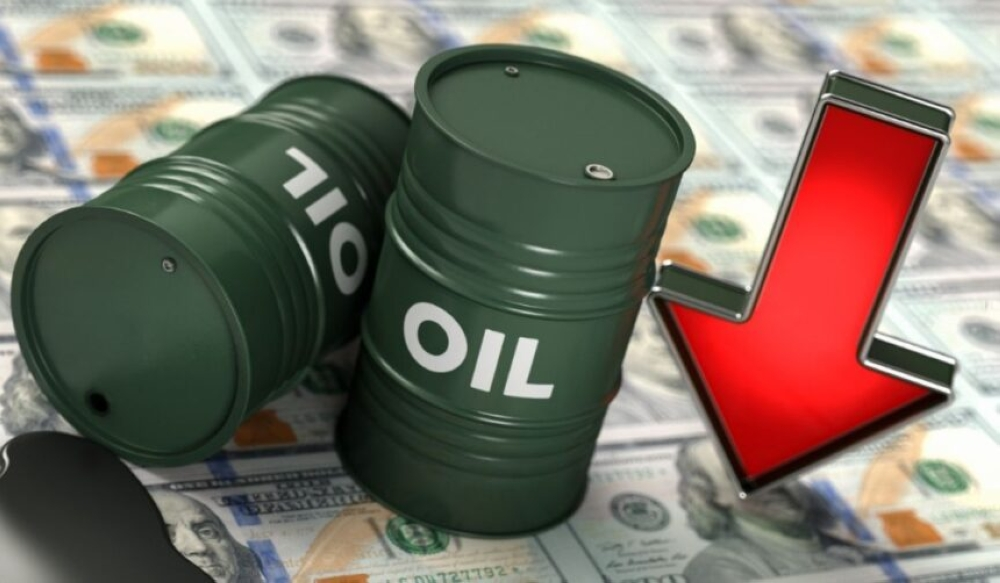
Crude oil prices saw a notable decline in trading on Monday, relinquishing the strong gains of the previous session. This drop was primarily driven by profit-taking by investors who rushed to secure their gains after an earlier rally of over 2%. Specifically, the price of West Texas Intermediate (WTI) crude for March delivery fell by $0.42 to $65.60 per barrel, a decline of 0.69%. This movement reflects the volatile nature of energy markets, where rapid gains can lead to similar price corrections.
The general context of oil price fluctuations
Profit-taking is a common occurrence in financial markets, especially after periods of sharp rises. After oil prices reached $61.07 per barrel in the previous session, fueled by optimism about demand or concerns about supply, traders saw an opportunity to sell their contracts and realize capital gains. However, this pullback does not necessarily reflect a fundamental change in market fundamentals; rather, it is a short-term correction. Historically, oil markets have been influenced by a complex mix of factors that extend beyond immediate supply and demand, including geopolitical tensions, monetary policy decisions by major central banks, and the strength of the US dollar.
The importance of the event and its expected impact
Oil price volatility has far-reaching consequences at the local, regional, and international levels. Internationally , oil price stability impacts global inflation rates, as higher energy costs directly affect the prices of goods and services. It also influences the interest rate decisions of central banks, such as the US Federal Reserve.
At the regional level , oil-exporting countries, particularly in the Middle East, rely heavily on oil revenues to finance their budgets and development projects. Therefore, any price decline, even a temporary one, puts pressure on their financial plans. Conversely, oil-importing countries, such as China, India, and European nations, benefit from lower prices, which reduce their import bills and boost their economic growth. Long-term market stability depends on the ability of the OPEC+ alliance, which includes the Organization of the Petroleum Exporting Countries (OPEC) and its allies led by Russia, to manage production levels in a way that balances supply and demand and prevents sharp fluctuations that harm both producers and consumers.