Significant decline in global energy markets
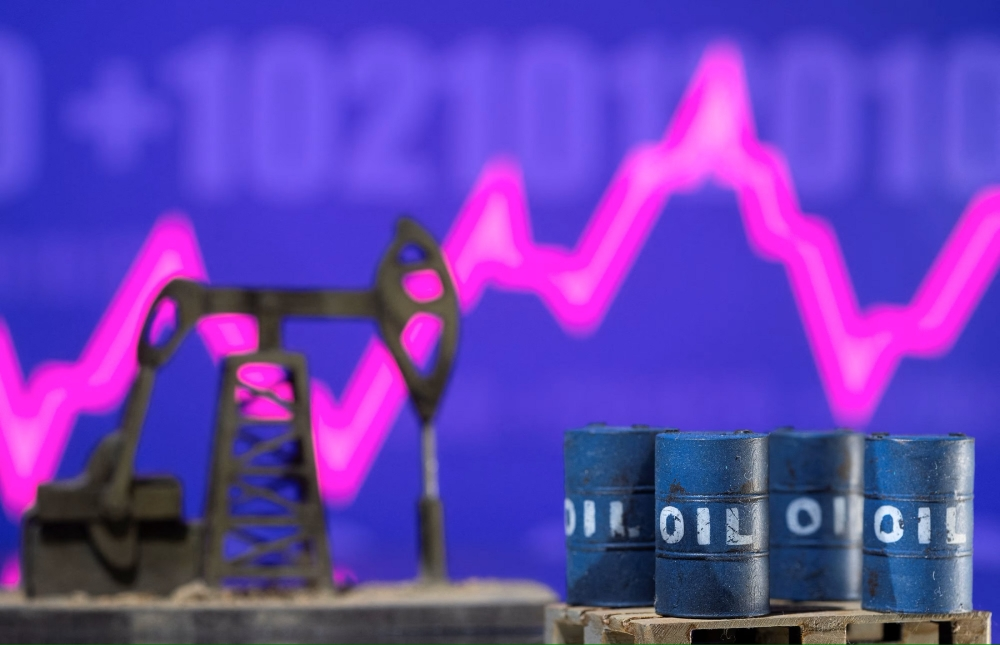
Global oil markets saw a sharp decline at the close of trading on Thursday, with prices falling by more than 2%, weighed down by a combination of economic and geopolitical factors that dampened investor sentiment. Brent crude futures, the global benchmark, fell $1.88, or 2.71%, to settle at $67.52 a barrel. Meanwhile, U.S. West Texas Intermediate (WTI) crude futures dropped $1.79, or 2.77%, to close at $62.84 a barrel.
General context and reasons for the decline
This decline comes amid a climate of uncertainty surrounding the global economy. Oil prices are often seen as an indicator of economic health, as slower growth leads to lower energy demand. Markets are currently affected by concerns about the monetary tightening policies pursued by major central banks, such as the US Federal Reserve, to curb inflation, which could further slow economic activity and thus reduce oil demand. In addition, inventory data plays a crucial role; any unexpected increase in US crude oil stockpiles suggests weak demand, exerting downward pressure on prices.
The role of OPEC+ in stabilizing markets
Historically, the OPEC+ alliance, comprising the Organization of the Petroleum Exporting Countries (OPEC) and its allies led by Russia, has played a pivotal role in managing oil supplies to stabilize markets. The alliance has previously resorted to significant production cuts to support prices during periods of weak demand, such as during the COVID-19 pandemic. The alliance's decisions remain closely watched by traders, as any change in production policy can have a direct and immediate impact on global price trends.
Importance and expected effects
Oil price volatility has far-reaching consequences. Internationally, lower prices benefit oil-consuming nations like China, India, and European countries by reducing energy and fuel costs, thus helping to control inflation. Conversely, it poses a challenge for producing nations, particularly those whose economies are heavily reliant on oil revenues, such as the Gulf states and Russia. Regionally, reduced oil revenues can impact government budgets and spending on development projects, underscoring the importance of economic diversification plans like Saudi Arabia's Vision 2030.