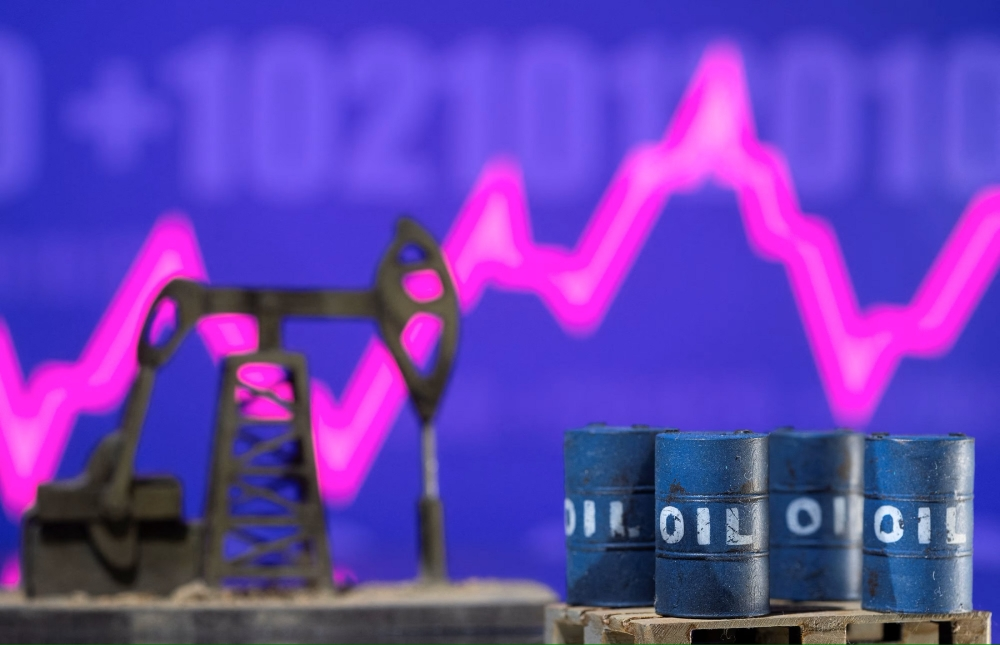
Global markets witnessed a significant economic event on Tuesday, with oil prices plummeting by more than 11%, marking the largest relative decline in any trading session since 2022. This sharp drop came just one day after US President Donald Trump announced a swift end to military tensions with Iran, tensions that had previously disrupted global crude oil flows and raised investor concerns about supply security.
In detail, Brent crude futures fell by $11.16, or 11%, to settle at $87.80 a barrel. Similarly, West Texas Intermediate (WTI) crude settled at $83.45 a barrel, down $11.32, or 11.9%. Both benchmarks recorded their largest single-day relative losses since March 2022, after having reached four-year highs the previous trading day.
The historical and geopolitical context behind the decline in oil prices
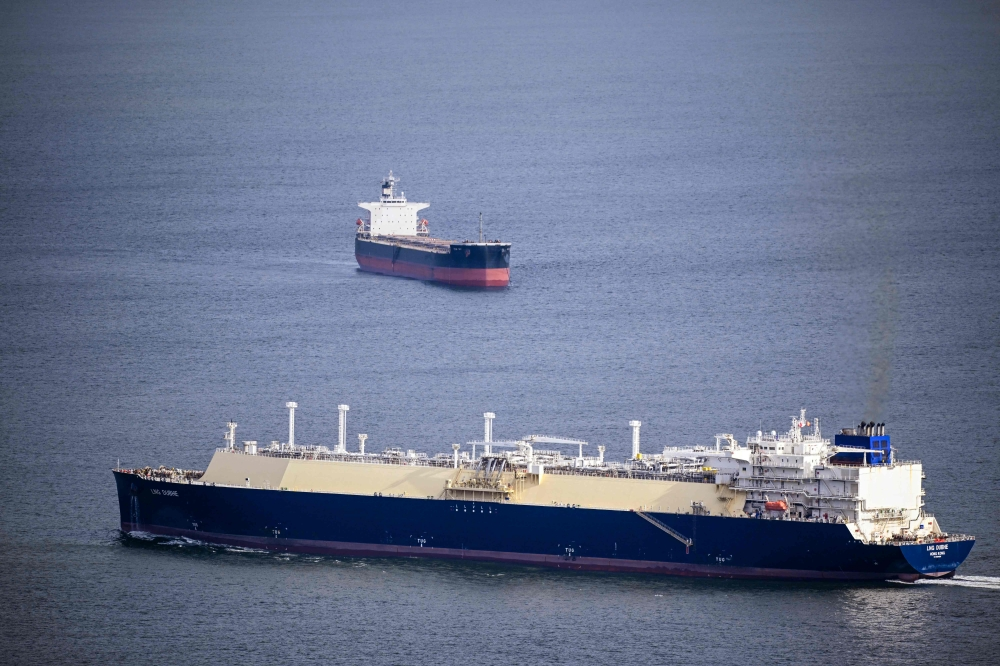
To understand the dimensions of this event, it is necessary to consider the broader context and historical background of the markets. Historically, energy prices have always been highly sensitive to geopolitical tensions in the Middle East, particularly those related to the Strait of Hormuz, through which a significant portion of the world's oil supply passes. In 2022, markets experienced sharp fluctuations due to global crises, driving prices to record lows. With the recent escalation of events, this sharp decline accelerated after US Energy Secretary Chris Wright posted on the X platform that "the US Navy successfully escorted an oil tanker through the Strait of Hormuz to ensure the continued flow of oil to global markets," a post that was quickly deleted, sparking widespread speculation about the stability of supplies.
Expected impacts on the local and global economies
This event is of paramount importance and has anticipated repercussions at the local, regional, and international levels. Internationally, lower energy costs will help alleviate inflationary pressures in major economies, potentially giving central banks greater flexibility to adjust their monetary policies and reduce interest rates. Regionally, oil-producing countries are closely monitoring these developments, as price fluctuations directly impact their revenues, budgets, and development plans. Domestically, market stability will positively affect production and transportation costs, benefiting the end consumer and reducing the cost of essential goods.
G7 moves to ensure market stability
In a related development, energy ministers from the major industrialized nations (the G7) met Tuesday morning to discuss options for responding to volatile crude oil prices. Despite expectations, the ministers did not announce any release from the strategic petroleum reserve, a move widely seen as a cautious and straightforward response aimed at calming global markets without depleting strategic resources at this time.
Following the G7 meeting, French Finance Minister Roland Lescure, who also oversees his country's energy policy, stated that officials had asked the International Energy Agency to "examine the available details should we decide to use international oil reserves to calm the markets." These remarks reflect the heightened state of alert among global economic policymakers to ensure that the situation does not spiral out of control in the event of any future disruptions, while maintaining the stability of global supplies.