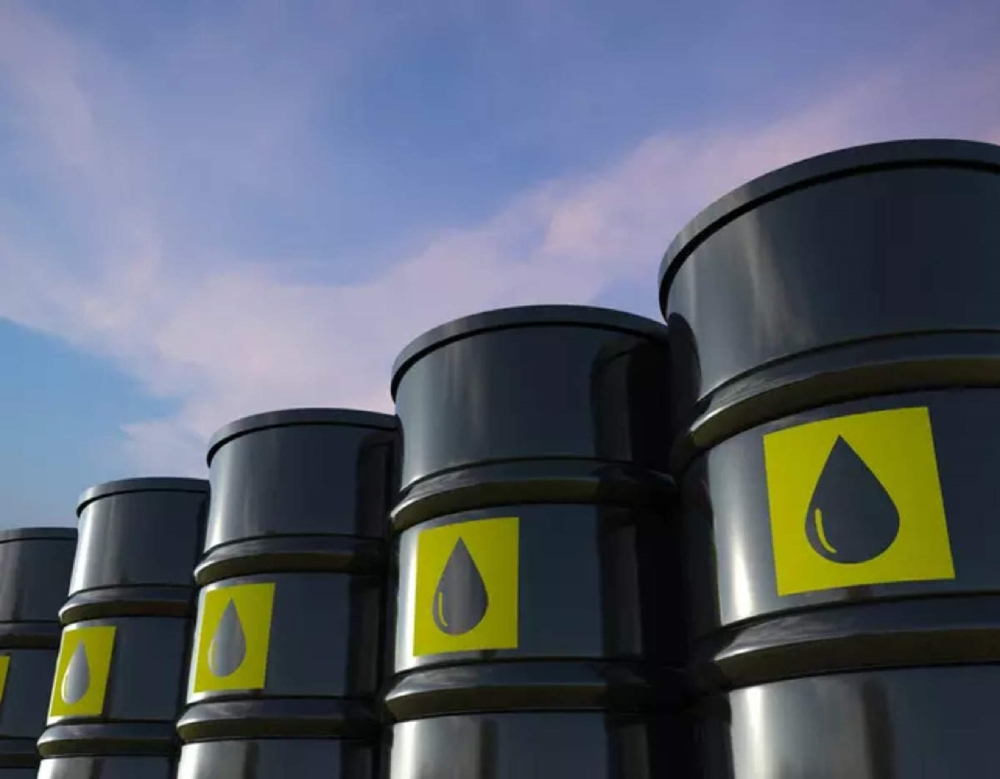
Global energy markets closed the year 2025 with sharp and worrying declines, as oil prices recorded annual losses of nearly 20%, the first of its kind in terms of the severity of the decline since the pandemic year of 2020. This drop represents the third consecutive year of accumulated losses, raising major questions about the future of energy markets in the new year.
At the close of trading last year, benchmark Brent crude futures settled at $60.85 a barrel, while West Texas Intermediate crude ended trading at $57.42 a barrel, levels that reflect the enormous selling pressures that markets faced over the past twelve months.
Oversupply and changing production strategies
Supply and demand dynamics played the most prominent role in shaping the downward price landscape. The rapid increase in production by the OPEC+ alliance directly contributed to flooding the markets, with data indicating that the alliance has pumped an additional 2.9 million barrels per day since April, creating an imbalance in the market.
Meanwhile, the US shale oil sector has demonstrated exceptional resilience, posting record production levels in October. Analysts, including Jason Young of BNP Paribas, attribute this strength to the success of US producers in financial hedging strategies, having pre-sold their future production at higher prices, making them less vulnerable to current price volatility and more able to continue pumping at full capacity.
Why has geopolitics lost its influence?
Unusually, the heightened geopolitical tensions of 2025 failed to provide the usual support for oil prices. While the year was eventful, their impact was fleeting and quickly overshadowed by the oversupply.
These events included the tightening of US sanctions on Russia at the end of the Biden administration, and Ukrainian attacks targeting Russian energy infrastructure and Kazakh exports. Even the 12-day Iran-Israel war in June, which threatened the Strait of Hormuz, a vital oil artery, failed to raise prices sustainably, as did the US naval blockade of Venezuela.
2026 forecast: Oversupply and price uncertainty
Looking ahead to 2026, the outlook is predominantly cautious and pessimistic. Most financial experts predict that global supply will exceed demand, with estimates of a surplus ranging from 2 to 3.84 million barrels per day. The OPEC+ alliance preempted these projections by deciding to halt production increases for the first quarter of the year, pending a crucial meeting on January 4th.
Regarding price forecasts, BNP Paribas sees Brent crude potentially falling to $55 in the first quarter of 2026 before recovering slightly to $60. Morgan Stanley, for its part, rules out any immediate intervention by OPEC+ to cut production unless prices plummet to very low levels in the $50s.
The American political factor remains the "trump card" or unknown factor in the equation, as John Driscoll of GTD Energy points out the need not to ignore the moves of US President Trump, who is known for his tendency to intervene in the markets, which could tip the scales and create unexpected shocks that could reshape the global energy landscape in 2026.