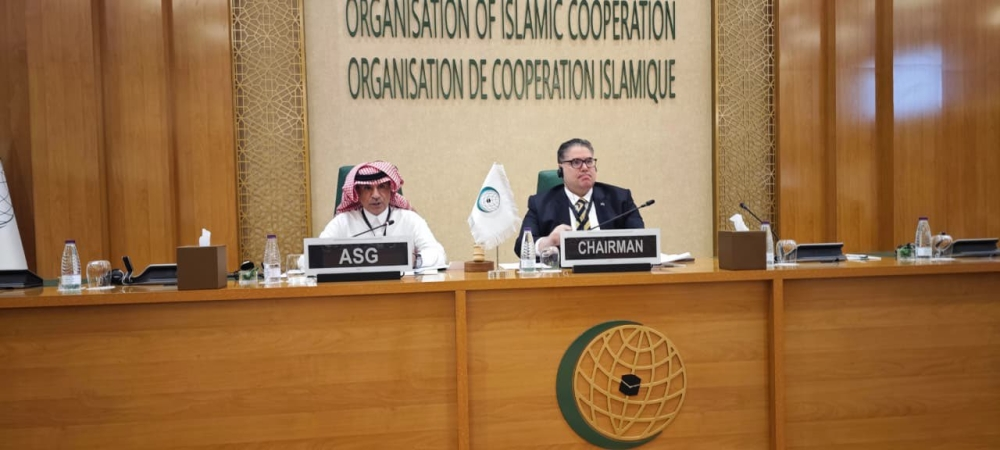
اختتمت في مدينة جدة أعمال الدورة الاستثنائية الثانية والعشرين لمجلس وزراء خارجية الدول الأعضاء في منظمة التعاون الإسلامي، بإصدار بيان ختامي شامل تضمن 38 بنداً مفصلياً تعاطت مع تحديات جيوسياسية ملحة تواجه العالم الإسلامي. وقد ركز الاجتماع بشكل رئيسي على محورين أساسيين: الأول يتعلق بالانتهاك الصارخ لسيادة جمهورية الصومال الفيدرالية، والثاني يختص باستمرار العدوان الإسرائيلي على الشعب الفلسطيني.
موقف حازم تجاه وحدة الصومال وأمن البحر الأحمر
في سابقة خطيرة تهدد الأمن الإقليمي في منطقة القرن الأفريقي، تصدرت قضية التدخل الإسرائيلي في الشأن الصومالي أجندة الاجتماع. وأدان المجلس بأشد العبارات إقدام إسرائيل على الاعتراف بإقليم "أرض الصومال" كدولة مستقلة، معتبراً هذا الإجراء باطلاً وعديم الأثر القانوني، وانتهاكاً صريحاً لميثاق الأمم المتحدة والقانون الدولي الذي يفرض احترام سيادة الدول ووحدة أراضيها.
ومن الناحية الاستراتيجية، لا يقتصر هذا التحرك على الشأن الداخلي الصومالي فحسب، بل يمتد تأثيره ليشكل تهديداً مباشراً للأمن في منطقة البحر الأحمر ومضيق باب المندب، وهما شريانان حيويان للتجارة العالمية والملاحة الدولية. وقد حذرت المنظمة من محاولات "عسكرة" هذه المنطقة الحيوية أو تغيير الخارطة الجيوسياسية للسواحل الصومالية، مؤكدة رفضها القاطع لأي وجود عسكري أو استخباراتي إسرائيلي على الأراضي الصومالية.
أبرز القرارات المتعلقة بالصومال:
- التأكيد على أن "أرض الصومال" جزء لا يتجزأ من جمهورية الصومال الفيدرالية.
- رفض أي تعامل دبلوماسي أو اقتصادي مع الإقليم خارج إطار الحكومة الفيدرالية.
- دعم حق الصومال في اللجوء للآليات القانونية الدولية لمساءلة الأطراف المنتهكة لسيادته.
- تحذير المجتمع الدولي من أن هذه الخطوات تغذي النزعات الانفصالية وتخلق بيئات هشة قد تستغلها الجماعات المتطرفة.
التصعيد في فلسطين: رفض التهجير ودعم الأونروا
على الجانب الآخر، خصص البيان الختامي حيزاً كبيراً لتطورات الوضع في الأراضي الفلسطينية المحتلة. وجددت المنظمة موقفها الثابت باعتبار القضية الفلسطينية هي القضية المركزية للأمة الإسلامية، مشددة على ضرورة الوقف الفوري للعدوان الإسرائيلي في قطاع غزة والضفة الغربية بما فيها القدس الشريف.
وفي سياق القانون الدولي الإنساني، حذر البيان من مخططات التهجير القسري للشعب الفلسطيني، معتبراً إياها جريمة حرب وتطهيراً عرقياً. كما تطرق الاجتماع إلى الهجمة الشرسة التي تتعرض لها وكالة غوث وتشغيل اللاجئين (الأونروا)، مؤكداً على الدور المحوري للوكالة ورفض القوانين الإسرائيلية التي تسعى لتقويض عملها أو مصادرة مقراتها، داعياً المجتمع الدولي لتحمل مسؤولياته في حماية المنظمات الأممية.
قرارات مفصلية لدعم الحق الفلسطيني:
- التأكيد على الوصاية الهاشمية الأردنية التاريخية على المقدسات الإسلامية والمسيحية في القدس، واعتبار إدارة أوقاف القدس الجهة الحصرية المخولة بإدارة المسجد الأقصى.
- الدعوة لتفعيل مسار المساءلة القانونية لإسرائيل أمام محكمة العدل الدولية والجنائية الدولية.
- المطالبة بانسحاب إسرائيلي كامل من الأراضي المحتلة عام 1967 وتجسيد الدولة الفلسطينية المستقلة وعاصمتها القدس الشريف.
- دعم التحالف الدولي لتنفيذ حل الدولتين وحث الدول التي لم تعترف بفلسطين بعد على اتخاذ هذه الخطوة.
ويأتي هذا الاجتماع في توقيت بالغ الحساسية، حيث تسعى منظمة التعاون الإسلامي، بصفتها ثاني أكبر منظمة حكومية دولية بعد الأمم المتحدة، إلى توحيد الصوت الإسلامي في المحافل الدولية للضغط باتجاه احترام الشرعية الدولية ووقف سياسات فرض الأمر الواقع التي تنتهجها قوى الاحتلال.