In a move reflecting the rapid growth of the non-profit sector in Saudi Arabia, the Resources Association for Human Capital Investment officially launched its operations, following official approval of its establishment by the relevant authorities. This step adds a new dimension to community development, contributing directly to achieving the goals of the Kingdom's Vision 2030 , which places great emphasis on human capital development.
Context of establishment and importance of the non-profit sector
The establishment of the “Mawared” Association comes at a time when the third (non-profit) sector is undergoing a radical transformation, with the Vision aiming to increase this sector’s contribution to the GDP from less than 1% to 5%. Specialized associations play a pivotal role in bridging development gaps, particularly those focused on human capital development . This aligns with the “Human Capital Development Program,” one of the most important programs for achieving the Vision, which seeks to equip citizens with the skills of the future and enable them to compete globally.
Strategic goals and a sustainable business model
Thamer Al-Duraan explained that the Association does not only aim to provide traditional services, but also seeks to be a leader in social investment . The Association's strategy is based on the "localization through social investment" approach, which combines vocational qualification, specialized training, and actual employment, thus ensuring the creation of a sustainable economic and social impact that serves various segments of society, while fully adhering to governance and transparency standards.
Stages of establishment and initial decisions
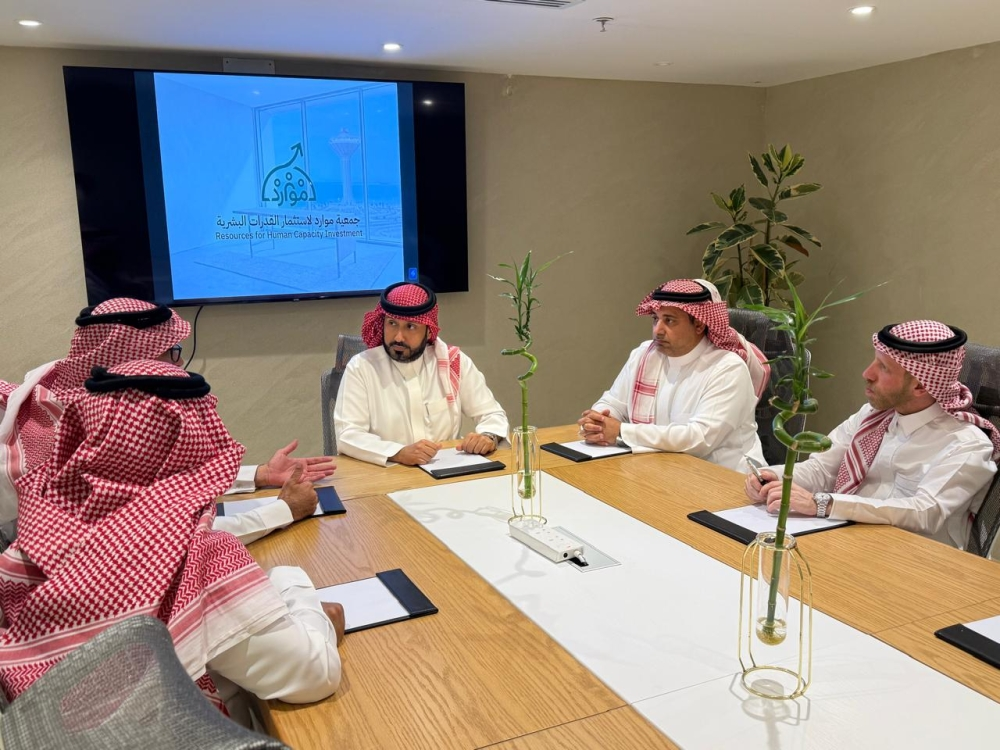
The association's board of directors commenced its work by holding its first meeting, chaired by Al-Duraan, where the foundation for institutional work was laid through:
- Reviewing the stages of establishment and adoption of the administrative organizational structure.
- Forming standing committees to ensure efficient workflow.
- Discussing the operational plan for the first year and outlining the qualitative initiatives.
Partnerships and role integration
Believing in the importance of integrated work, the council discussed mechanisms for building effective strategic partnerships with the three sectors: governmental, private, and non-profit. These partnerships aim to maximize social impact and expand the circle of beneficiaries of the association's services, thereby improving quality of life and supporting innovation in development solutions.
The council concluded its meeting by affirming its complete readiness to launch a package of upcoming initiatives, expressing its gratitude to the supporting entities and founders, and emphasizing that the next phase will witness diligent institutional work to consolidate the association’s position as a vital contributor to the national development system.