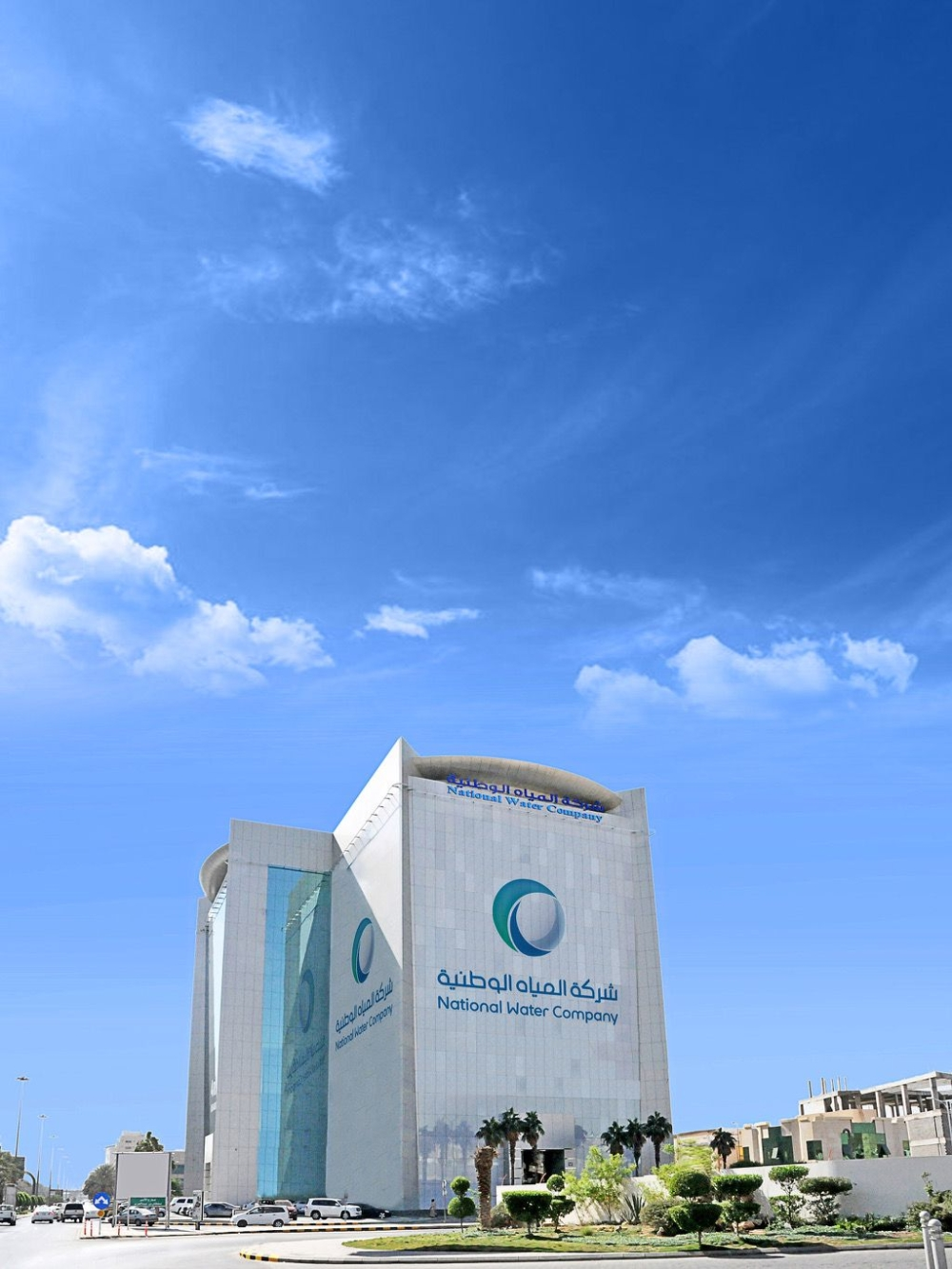
The National Water Company announced the completion of two vital projects in the Qassim region at a total cost exceeding 48 million riyals, aiming to serve more than 20,000 new beneficiaries with water and wastewater networks. This achievement is a significant step within the company's ambitious development programs, which aim to raise operational efficiency and enhance the reliability of water supply, in line with the strategic objectives of Saudi Vision 2030, which seeks to improve the quality of life in all cities and regions of the Kingdom.
Strategic context: Vision 2030 and the National Water Strategy
These projects are part of Saudi Arabia’s broader efforts to develop essential infrastructure across the country. The National Water Strategy 2030 a cornerstone of this approach, aiming to ensure the sustainability of water resources, provide high-quality water and sanitation services to all residents, and protect the environment. In the Qassim region, known for its agricultural importance and growing population, securing robust water infrastructure is crucial to supporting sustainable economic and social development and keeping pace with urban expansion.
Project details and their direct impact on the population
The company explained that the scope of work included the implementation of two major projects to increase coverage and improve services provided:
- In the city of Buraidah: Water networks and lines with lengths exceeding 65 kilometers were implemented to cover the neighborhoods of Al-Yarmouk, Al-Rawabi, Al-Ghadir, and Al-Rawaq.
- In Al-Rass Governorate: Sewer networks and lines with lengths exceeding 40 kilometers were implemented to serve parts of the governorate's neighborhoods.
These projects are expected to directly contribute to improving the quality of life for residents by providing a clean and reliable water supply and establishing an efficient sanitation system that reduces the environmental and health risks associated with traditional solutions. This expansion of coverage also enhances the operational reliability of the networks and reduces technical malfunctions, ensuring the continuity of services provided to citizens and residents.
The importance and future impacts of the projects
Locally, the impact of these two projects extends beyond serving 20,000 beneficiaries; it also supports organized urban expansion in Buraidah and Ar Rass, and enhances the attractiveness of these neighborhoods for residential and commercial investment. Nationally, each project of this kind represents a cornerstone in building a thriving economy and a vibrant society, reflecting the state's commitment to distributing the fruits of development equitably across all regions. Investing in water and sanitation infrastructure is a direct investment in human health, environmental protection, and the sustainability of vital resources for future generations.
National Water Company affirmed its firm commitment to developing infrastructure in accordance with the highest technical and engineering standards, calling on its customers in the beneficiary neighborhoods to take the initiative to request water and sanitation services through its official digital channels, whether through its application on smartphones or through its electronic branch (e.nwc.com.sa), to facilitate the connection process and benefit from the new networks.