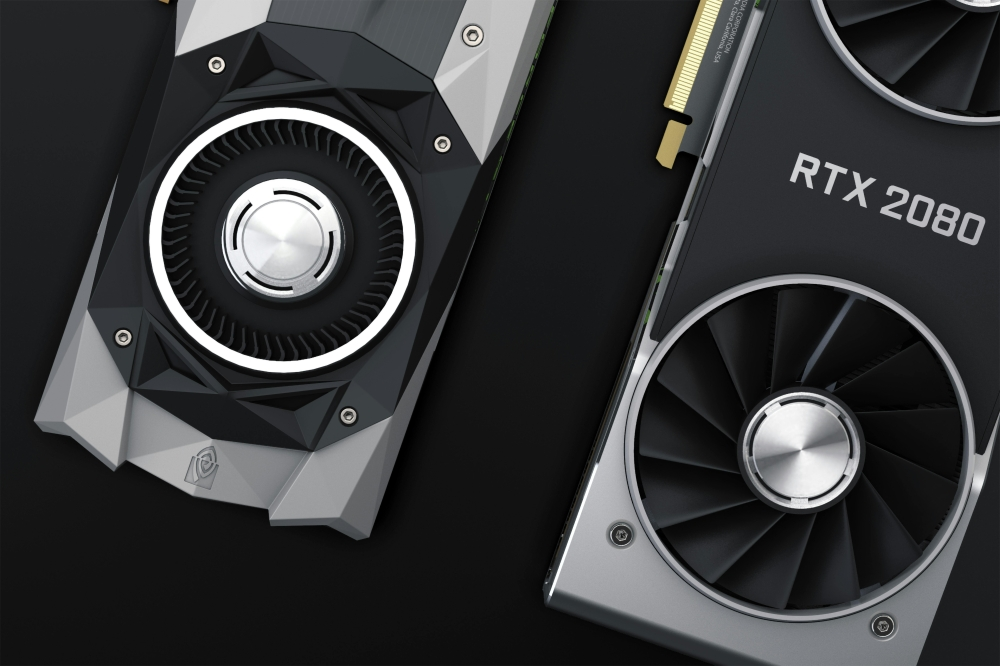
In a statement that has alarmed the gaming community worldwide, graphics card giant Nvidia warned that the global shortage of its GPUs, commonly known as "graphics cards," is likely to persist until the end of the year. This warning came from Colette Criss, the company's chief financial officer, during the quarterly earnings call, confirming that gamers' struggle to find affordable graphics cards is far from over.
Chris stated clearly, “While we would love to increase supply, we believe the situation will remain extremely challenging over the next two quarters.” She added that even if things improve by the end of the year, assessing annual growth would be premature, indicating that the company anticipates continued supply constraints and their negative impact on the gaming sector for the foreseeable future.
General context: From the coronavirus pandemic to the AI boom
The chip shortage crisis began with the outbreak of the coronavirus pandemic, as lockdowns and the rise of remote work and learning led to an unprecedented surge in demand for electronic devices, from laptops to gaming consoles. During this period, the crisis was exacerbated by the massive influx of cryptocurrency mining, which depleted the supply of graphics cards. Although the mining frenzy subsided, consumers did not find the relief they had hoped for, as a new and more aggressive driver of demand emerged: artificial intelligence.
The technology sector is currently racing to develop generative artificial intelligence capabilities, and Nvidia's advanced chips, such as the H100 and A100, are the backbone of the massive data centers that train these language models. This enormous demand from major technology companies has led Nvidia to prioritize the production of these chips, which offer significantly higher profit margins, at the expense of consumer graphics cards aimed at gamers in the GeForce series.
Expected impact: High prices and hardship for players
This reality translates into a direct and painful impact on consumers, especially the PC gaming community. The shift in production priorities has led to a severe shortage of gaming graphics cards, which in turn has caused a dramatic increase in their prices, both new and used. This situation affects not only those looking to build new PCs but also those seeking to upgrade their existing systems to meet the demands of modern gaming.
The impact isn't limited to PCs; Nvidia graphics cards are also used in other devices like the Nintendo Switch. In contrast, competing platforms like Sony's PlayStation and Microsoft's Xbox rely on AMD processors, potentially giving them a relative advantage in terms of supply stability. This news reinforces the pessimistic forecast from tech research firm TrendForce, which predicted a 4.4% decline in the gaming hardware market this year due to challenges facing global supply chains.