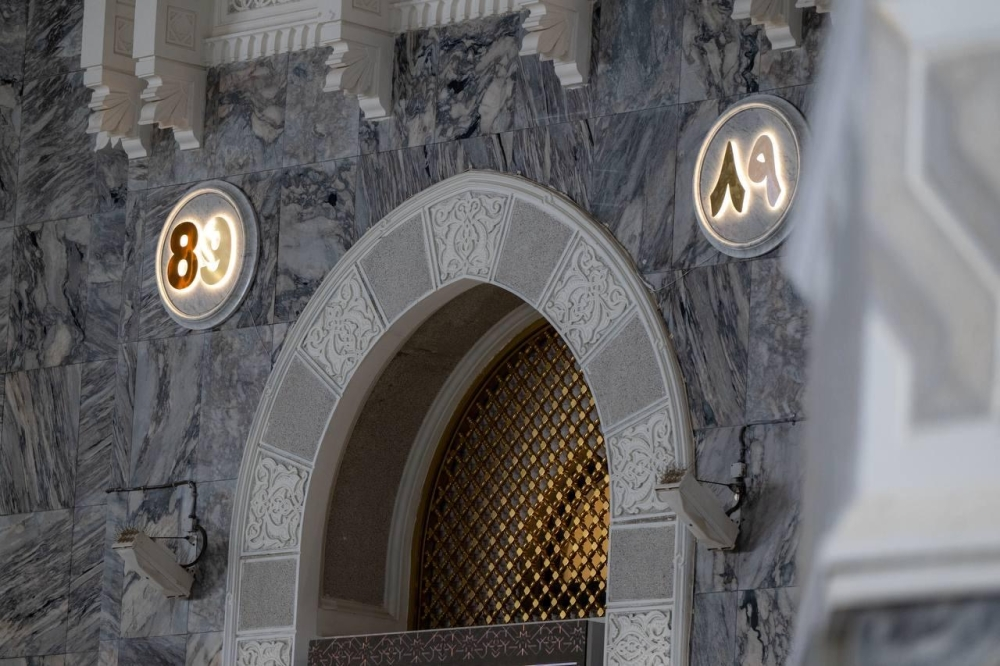
In a significant step aimed at enhancing the quality of services provided to pilgrims and facilitating their movement within the Grand Mosque, the General Authority for the Care of the Two Holy Mosques announced the completion of the project to number the gates of the Second Saudi Expansion, which included the installation of 92 new directional signs. This project is part of a comprehensive system of efforts aimed at improving the physical and spiritual experience for millions of Muslims who visit the holiest sites on earth annually.
Historical background: Expansions of the Holy Mosque in Mecca
Throughout history, the Grand Mosque in Mecca has received immense attention and care, but the Saudi era is distinguished by the largest expansion projects in its history. The first Saudi expansion began during the reign of King Saud bin Abdulaziz in 1955 and continued during the reigns of King Faisal and King Khalid. With the increasing number of pilgrims and Umrah performers, the second Saudi expansion was launched during the reign of King Fahd bin Abdulaziz in 1988. This expansion added vast areas to the mosque from the west, significantly increasing its capacity. This expansion, whose gates are numbered today, is a unique architectural landmark that combines authentic Islamic architecture with the latest engineering technologies to serve those visiting the Grand Mosque.
Project details and strategic objectives
The numbering project was more than just placing numbers on the doors; it was implemented with meticulous engineering and aesthetic vision. The design of the 92 signs was carefully considered to align with the visual and architectural identity of the Grand Mosque, achieving a delicate balance that ensures the numbers are clearly visible to visitors while simultaneously enhancing the aesthetic value of the place and preserving its sanctity and solemnity. The primary objective is to enable visitors to easily locate themselves and remember entry and exit points, thus reducing instances of confusion and facilitating crowd management, especially during peak times such as Ramadan and the Hajj season.
Importance and expected impact on pilgrims
This achievement holds immense significance both locally and internationally. Locally, it reflects the Saudi leadership's commitment to providing the utmost comfort and peace of mind for visitors to the Two Holy Mosques. Internationally, this project serves millions of Muslims from around the world, contributing to a smoother and more convenient Umrah and Hajj experience. Facilitating movement within the Grand Mosque in Mecca allows pilgrims to focus more on worship and spirituality, rather than worrying about getting lost or finding their way. The General Presidency for the Affairs of the Two Holy Mosques also issued an awareness message to visitors emphasizing the importance of remembering the gate number used upon entry, stressing that this simple step is key to a safe and seamless experience.
This project comes as an extension of the Authority’s continuous efforts to improve services and provide a barrier-free worship environment, in line with the Kingdom’s Vision 2030, which places serving the guests of God at the top of its priorities, and aims to improve and enrich their experience from their arrival until their departure.