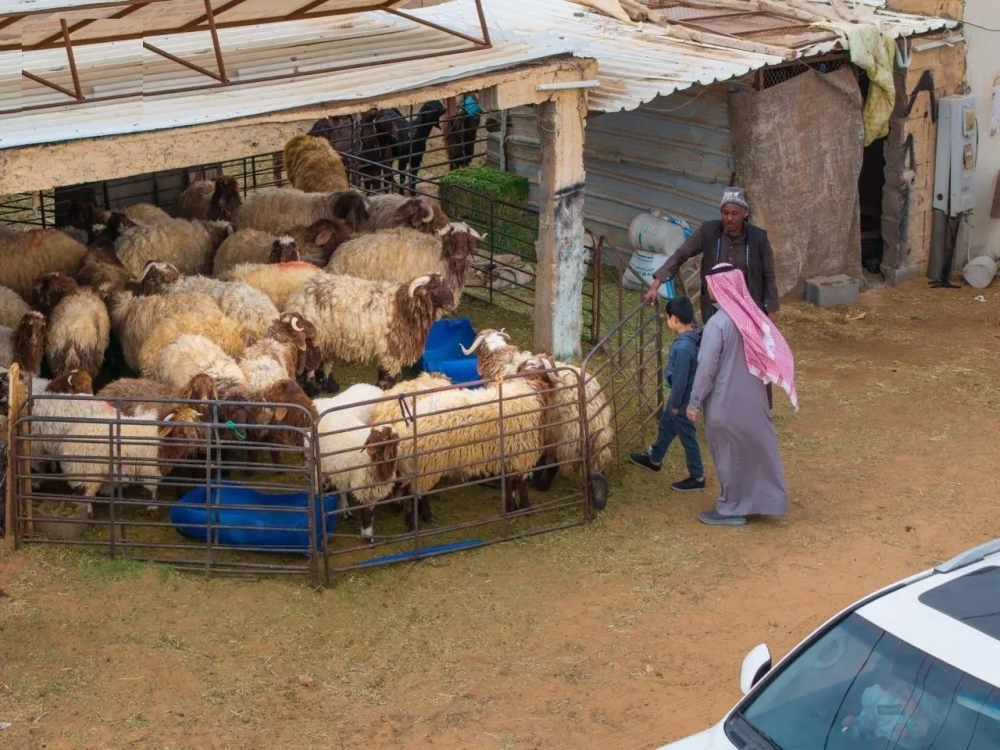
As the holy month of Ramadan approaches, livestock markets in the Northern Borders region are witnessing a surge in activity, a seasonal phenomenon reflecting the preparations of residents for the blessed month. These markets, particularly in the final days of Sha'ban, become a primary destination for consumers seeking to secure their needs of red meat, a staple on Ramadan tables.
Cultural and social background to increase demand
The high demand for sheep and cattle during this time of year is closely linked to the social and religious customs and traditions of Saudi Arabia. Ramadan is a month of family gatherings and iftar feasts that invariably feature delicious traditional meat dishes. Many also purchase animals to give as charity to the poor and needy, further increasing demand in the markets. The Northern Borders region, with its long history of grazing and livestock breeding, is one of the most important sources for meeting this growing demand, not only locally but also for neighboring regions.
Economic importance and impact on the local market
This annual season represents a significant economic boost for livestock breeders and traders in the region, providing an opportunity to market their produce and generate substantial returns. The abundant supply of various sheep breeds, both local, such as Naeemi and Najdi, and imported, has contributed to market stability, offering consumers a range of choices at competitive prices and curbing unjustified price hikes. This diversity caters to all tastes and purchasing power, ensuring a stable food supply during peak consumption periods.
Intensifying inspection tours to ensure consumer safety
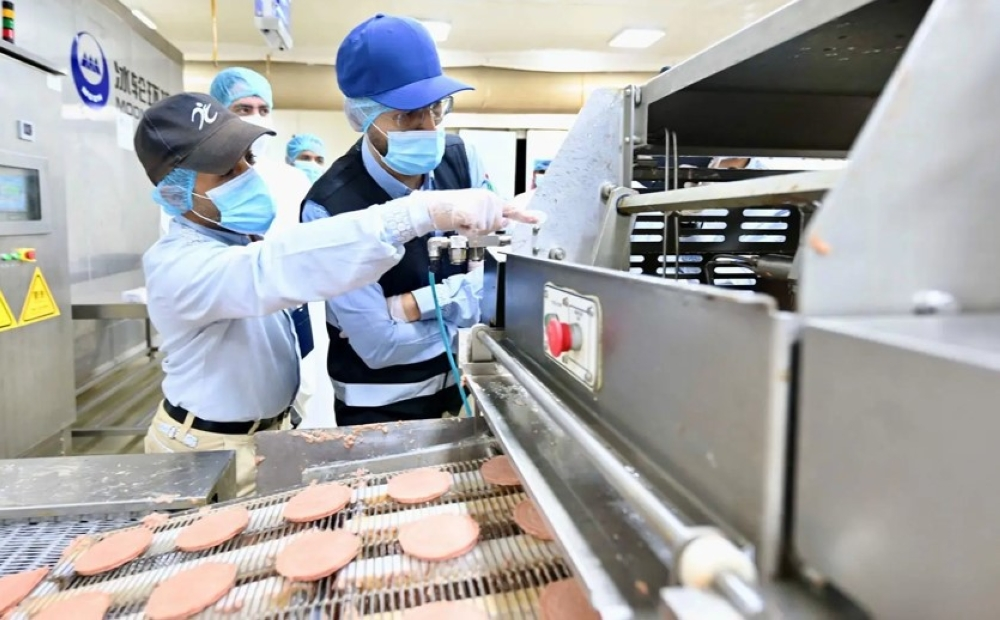
To ensure that commercial operations proceed in a healthy and safe environment, the Ministry of Environment, Water and Agriculture branch in the Northern Borders region has intensified its monitoring and awareness campaigns in markets and slaughterhouses. These intensive campaigns include monitoring 15 public markets and 12 slaughterhouses across the region's various governorates. These measures aim to ensure that livestock are free from disease, guarantee compliance with all health requirements during slaughtering and skinning, and protect consumers from any harmful practices. Field teams work around the clock to monitor any violations or irregularities and apply the prescribed penalties to violators in accordance with the approved regulations, thereby enhancing confidence in the products offered and safeguarding public health.