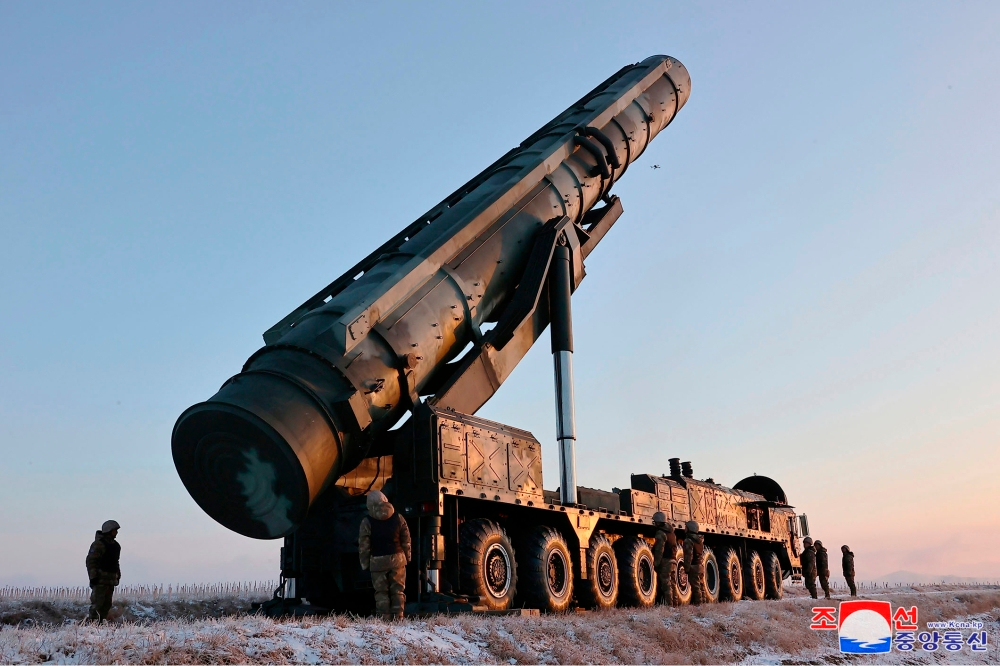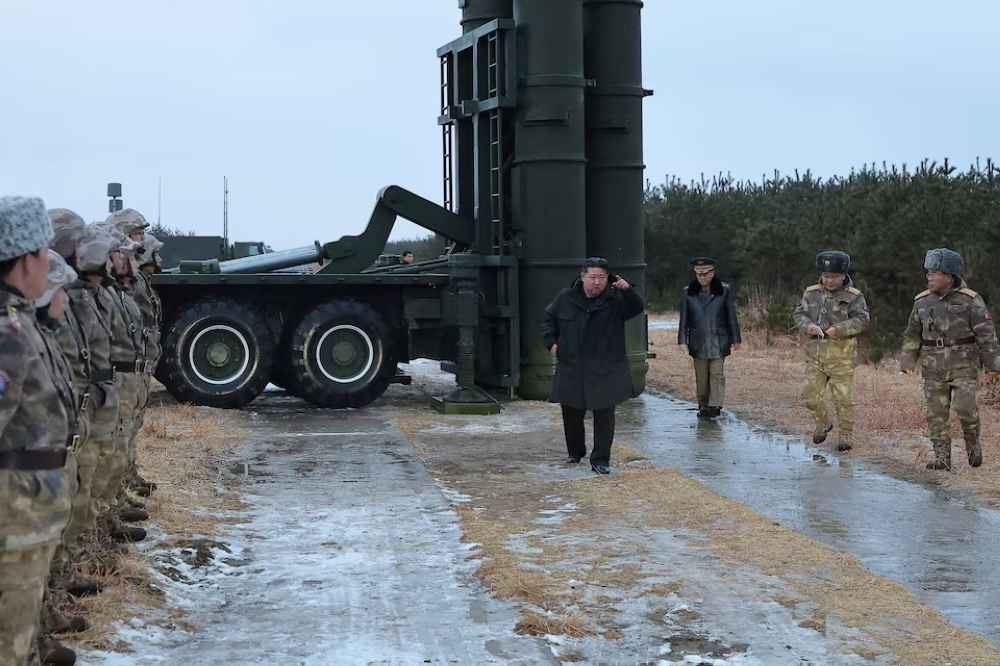
North Korean leader Kim Jong Un personally oversaw the test launch of a long-range strategic cruise missile, a new escalation aimed at showcasing Pyongyang's military capabilities, the official Korean Central News Agency reported Monday. The test comes amid heightened tensions and rapidly shifting geopolitical landscape on the Korean Peninsula.
The agency reported that Kim, during the missile drill conducted on Sunday, called for the "unlimited and sustained" strengthening and development of his country's nuclear force, emphasizing the need for constant readiness to counter external threats. This was the first such test since early November, indicating Pyongyang's resumption of its intensive testing program.
Details of the maneuver and the South Korean response
The state-run Korean Central News Agency (KCNA) explained that the main purpose of the operation was to review "the counter-offensive response posture and combat capability of long-range missile subunits." It added that Kim Jong Un stated the government and ruling party "will continue to devote all their efforts to the continuous development of the state's nuclear force," a clear indication that the regime has no intention of backing down from its military ambitions.
For its part, Yonhap News Agency confirmed that the South Korean Joint Chiefs of Staff detected the launch of several cruise missiles from the Sunan area near the capital Pyongyang, noting that South Korean and American intelligence are working to analyze the details of the launch precisely to determine the missiles' specifications and actual range.
The strategic importance of cruise missiles
Cruise missiles hold particular importance in North Korea's arsenal. Unlike ballistic missiles, they fly at low altitudes and possess high maneuverability, making them extremely difficult to detect and intercept by conventional radar and air defense systems. The designation of a cruise missile as "strategic" typically indicates North Korea's intention to equip it with nuclear warheads, thus expanding its options for launching precision strikes against vital targets in the region.
Regional and international context
This test comes amid a strengthening military alliance between the United States, South Korea, and Japan, which Pyongyang views as an existential threat to its national security. In recent years, North Korea has significantly increased the pace of its missile tests, not only to develop its own capabilities but also as a political message to Washington and Seoul.
Observers and military analysts believe these moves aim to improve precision strike capabilities and challenge the US military presence in the region. Some also link the increased pace of testing to the growing rapprochement between North Korea and Russia, amid Western reports suggesting Pyongyang is supplying Moscow with munitions and missiles for use in ongoing conflicts in exchange for advanced military technology.
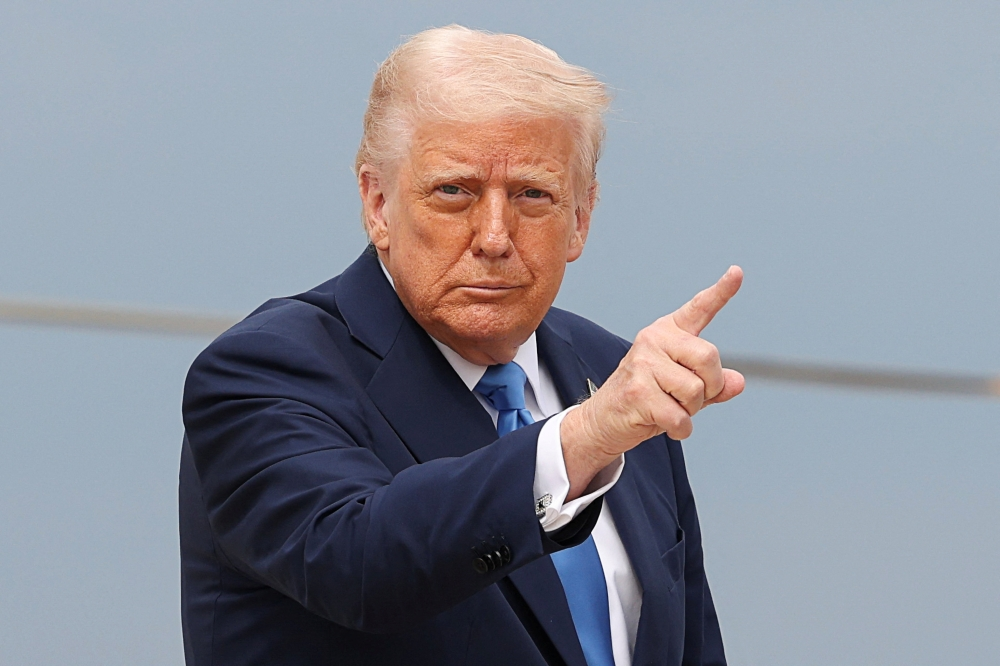
Since the failure of the historic summit with former US President Donald Trump in Hanoi in 2019 regarding denuclearization, North Korea has adopted a more hardline stance, consistently asserting that it will never give up its nuclear weapons, which it considers the only guarantee for the regime's survival. It has even recently changed its military doctrine to allow for preemptive nuclear strikes if it feels threatened.