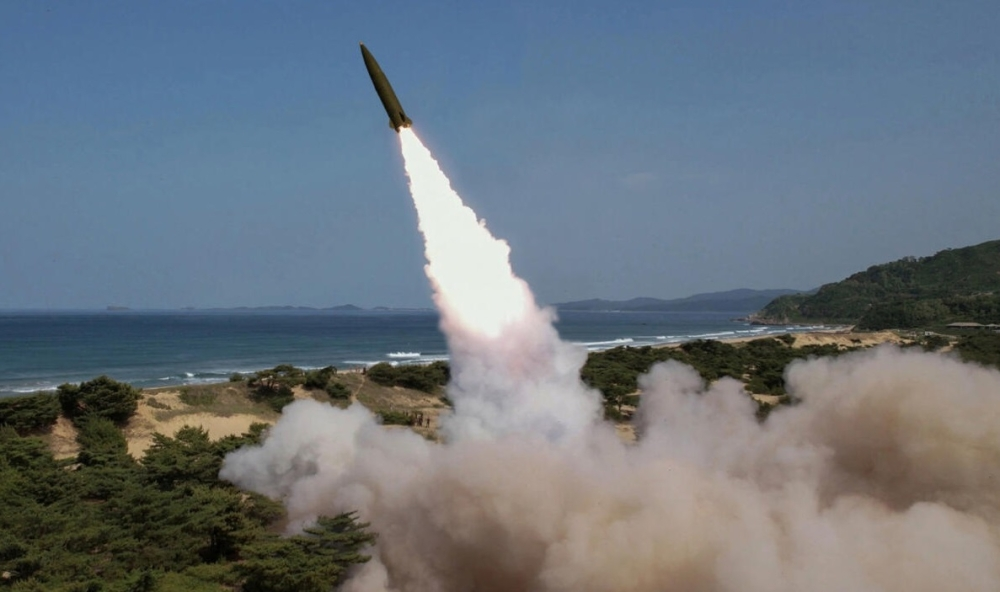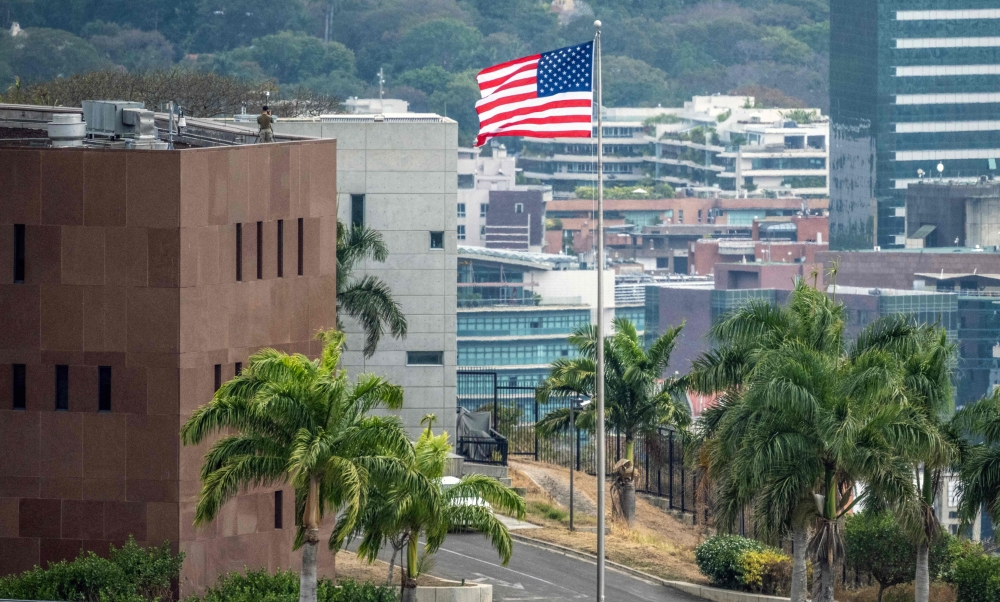
In a significant military escalation and the first major show of force this year, South Korean and Japanese military authorities announced that North Korea had launched what are suspected to be ballistic missiles into the East Sea. This military action comes just hours after the United States announced a major security operation that resulted in the capture of Venezuelan President Nicolás Maduro, adding complex geopolitical dimensions to the timing of the launch.
Launch details and missile capabilities
South Korea's Joint Chiefs of Staff confirmed that its military detected the launch of several projectiles from the vicinity of Pyongyang toward the East Sea (Sea of Japan) at approximately 7:50 a.m. local time on Sunday. Initial reports indicate that these projectiles were ballistic missiles, representing a new challenge to UN Security Council resolutions prohibiting Pyongyang from using ballistic missile technology.
For its part, the Japanese Ministry of Defense provided detailed information about the ballistic trajectory, indicating that two missiles were detected reaching an altitude of 50 kilometers. The first missile traveled an estimated 900 kilometers, while the second flew 950 kilometers before falling into the sea, though the exact impact location has not yet been determined. Japanese Defense Minister Shinjiro Koizumi stated that these actions threaten regional and international peace and stability, describing them as "unacceptable.".
Political messages: Fear of “regime change”
Observers closely link this military display to the dramatic events in Venezuela. North Korea has long viewed any US move to forcibly change regimes in other countries as a direct threat to its own. In this context, Hong Min, an analyst at the Korea Institute for National Unification, explained that Pyongyang is under immense pressure, and the implicit message of these missiles is that “North Korea is not Venezuela, and attacking it will not be a walk in the park.”.
This move reflects Pyongyang’s military doctrine based on “preemptive deterrence” and demonstrating the ability to inflict painful blows on US bases in Japan or Guam if it senses any existential threat, especially after US President Donald Trump’s statements about “managing” the situation in Venezuela.
Regional context and diplomatic moves
This escalation comes at a diplomatically sensitive time, shortly before South Korean President Lee Jae-myung's scheduled visit to China for a summit with President Xi Jinping. Seoul views Beijing as a pivotal player capable of exerting economic and political influence on its northern neighbor to reduce tensions. This launch is expected to overshadow the summit's agenda, where security concerns will undoubtedly feature prominently.
Developing the military arsenal and future strategy
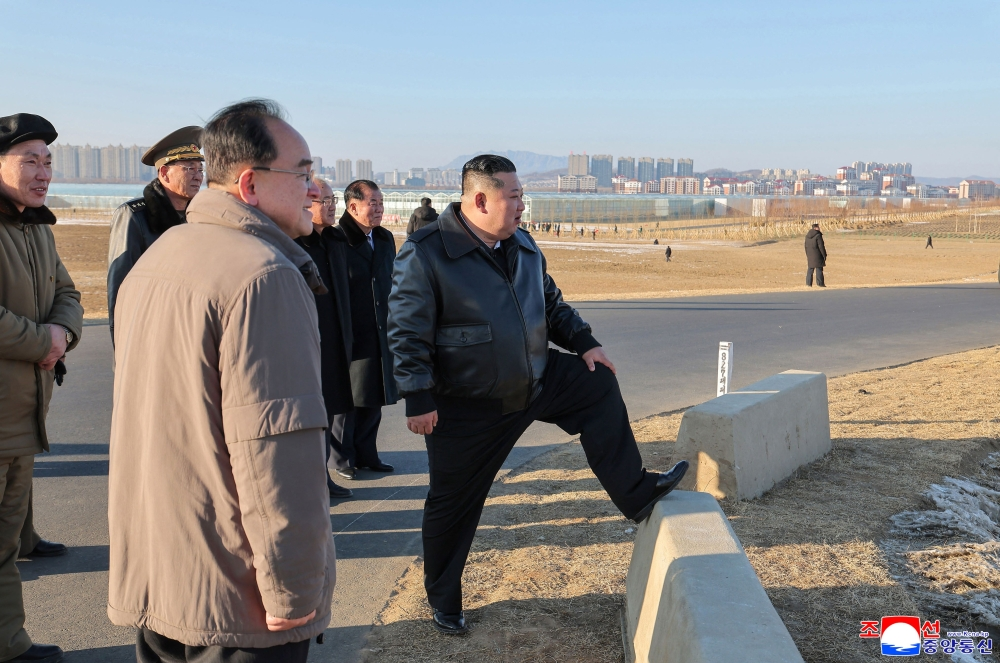
This launch cannot be separated from the overall trajectory of North Korean leader Kim Jong Un recently. Kim has intensified his field visits to military facilities, including nuclear-powered submarine construction sites and tactical missile production plants, ordering a 250% increase in production capacity. The country is also preparing for a rare congress of the ruling Workers' Party, where the defense and economic strategy for the next five years is expected to be outlined, indicating that Pyongyang is determined to bolster its deterrent capabilities despite international pressure.