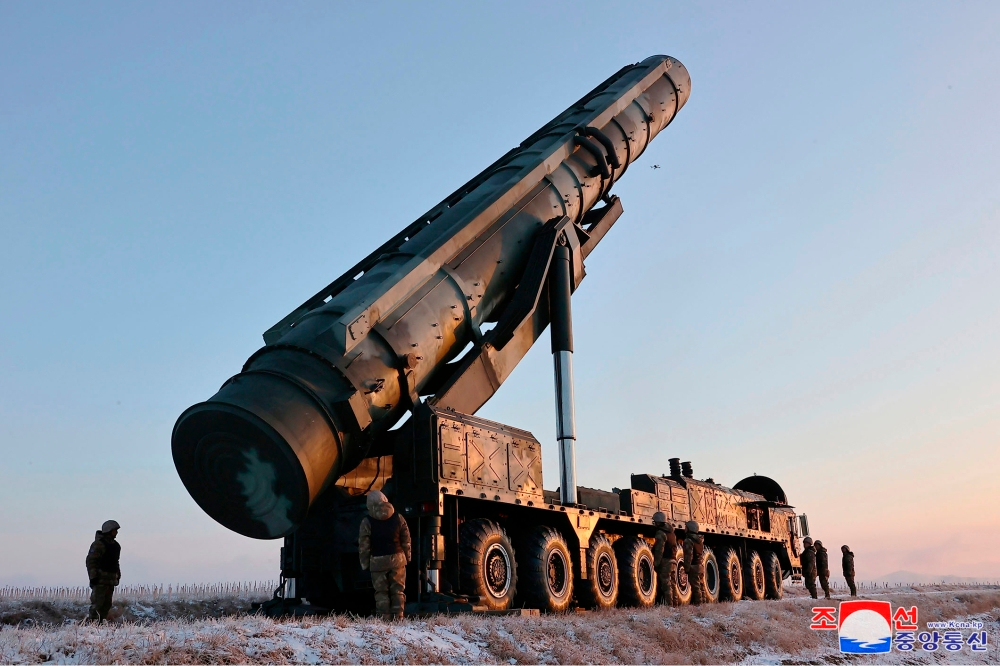
In a new military escalation reflecting the growing tensions on the Korean Peninsula, authorities in Seoul announced that North Korea ballistic missiles into the Sea of Japan. This surprise move on Saturday, with approximately ten missiles being launched, was seen by observers as a direct and firm response to the annual joint military exercises conducted by the United States and South Korea. These drills, intended to enhance the combat readiness of the allies, have long angered Pyongyang, which views them as a blatant provocation and a rehearsal for an invasion.
Details of North Korea's missile launches and field movements
South Korea's Joint Chiefs of Staff issued an official statement reporting that its armed forces detected North Korea launching missiles from the Sunan area. The statement indicated that the ballistic projectiles were launched toward the East Sea (the Korean name for the Sea of Japan) at 1:20 PM local time (4:20 AM GMT). Prior to this comprehensive announcement, the South Korean Ministry of Defense had reported the launch of an unidentified projectile. The Japanese Ministry of Defense later confirmed via its official accounts that the projectiles were ballistic missiles, prompting the activation of early warning systems and close monitoring of airspace and maritime areas to ensure navigational safety.
The historical roots of tensions and joint maneuvers
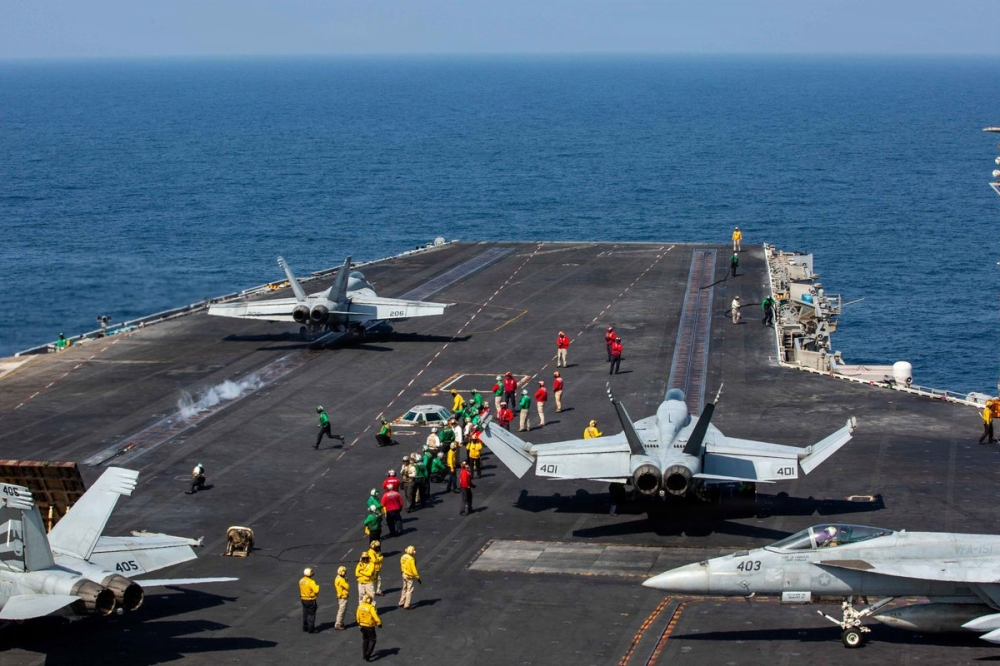
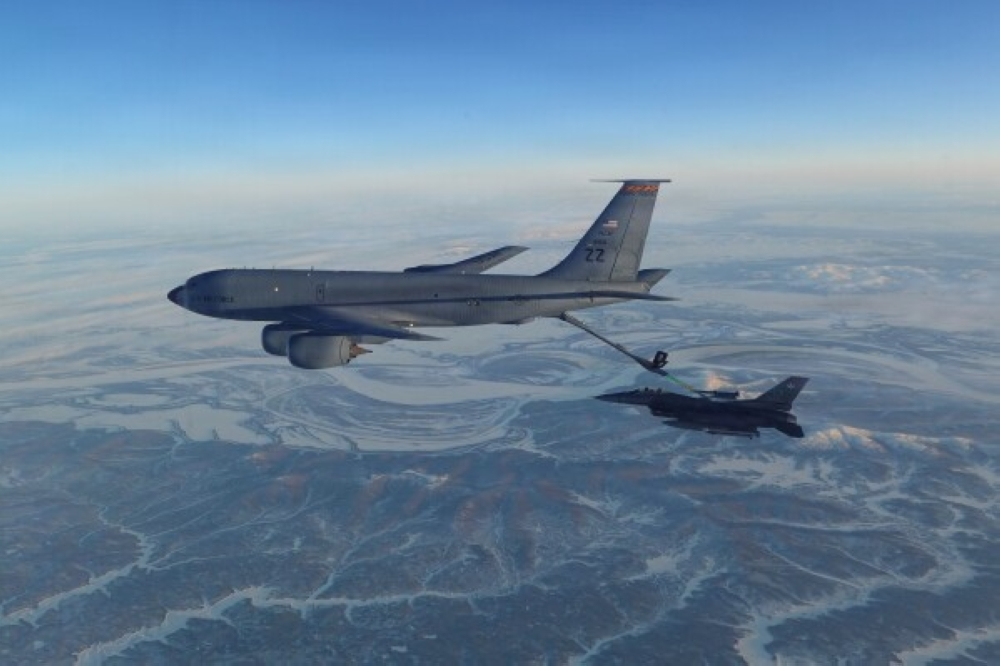
To understand the dimensions of this escalation, one must consider the complex historical context governing relations between the two Koreas, and between Pyongyang and Washington. Since the Korean War ended in 1953 with an armistice, not a peace treaty, the Korean Peninsula has remained one of the most militarized and volatile regions in the world. The current military exercises, involving some 18,000 South Korean troops and an undisclosed number of US forces, and continuing until March 19, are an extension of decades of strategic security alliance. In response, North Korea is developing its missile and nuclear arsenal, which it considers the only guarantee for the regime's survival in the face of what it describes as hostile policies.
Regional and international repercussions of the recent escalation
This military development carries significant implications and far-reaching consequences at both the regional and international levels. Locally and regionally, this escalation heightens security concerns among North Korea's neighbors, particularly Japan and South Korea, potentially prompting them to increase their defense budgets and strengthen their military cooperation with the United States. Internationally, the continued missile tests pose a direct challenge to UN Security Council resolutions and further complicate the geopolitical landscape in East Asia, especially given the broader strategic competition among major powers in the region.
Pyongyang's warnings and the future of faltering diplomacy
North Korea's reactions were not limited to the military sphere; they were accompanied by strongly worded political messages. Kim Yo-jong, the sister of North Korean leader Kim Jong-un and a powerful figure in the regime, warned of unimaginable and dire consequences should the joint military exercises continue. These threats coincide with fading hopes for diplomatic rapprochement, with Pyongyang recently describing Seoul's peace efforts as a failed and misleading charade. In a related development, the launches came after the South Korean prime minister indicated that US President Donald Trump believes holding meetings with the North Korean leader would be a positive step, highlighting the divergent political approaches to dealing with the intractable Korean crisis.