The Saudi Ministry of Education activated the "virtual waiting lists" feature on its central electronic system, "Noor," on Thursday. This is a necessary precautionary technical measure to manage the unprecedented surge in visitors seeking to check their first semester results. The measure aims to ensure website stability and prevent any technical malfunctions or service outages that might result from the sudden and overwhelming pressure on the system's servers.
Record waiting times and digital crowd management
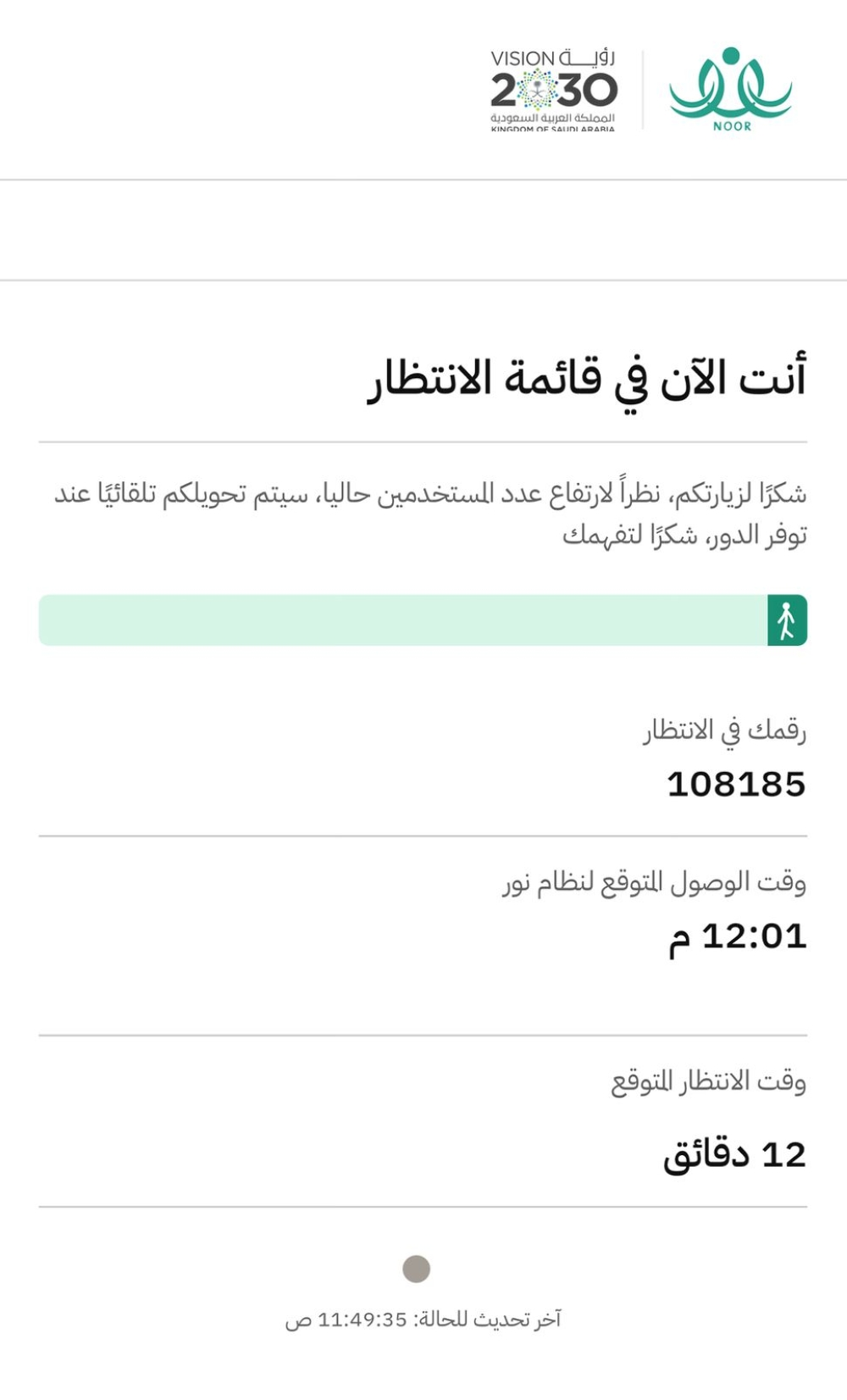
Technical indicators on the system showed that the waiting list exceeded 108,000 users at any given moment, a figure reflecting the high demand from parents and students. The website currently displays an automated message indicating that the user has been placed on a temporary waiting list due to the high volume of users, with a promise of automatic redirection to the results page as soon as a turn becomes available. According to the data displayed to users, the recorded waiting times range from 10 to 15 minutes, with the system providing an accurate estimate of expected arrival times. This demonstrates the Ministry's adoption of advanced technological solutions for managing "digital crowds" rather than risking a complete service outage.
Noor System: The backbone of digital education
The Noor system is one of the most prominent government e-systems in the region, representing the backbone of the educational and administrative process in the Kingdom. Its role extends beyond simply displaying results; it connects all stakeholders in the educational process (students, teachers, parents, and school administration) in a unified database serving millions of users. This current high volume of data is a natural consequence of the Ministry's complete reliance on technology for recording and announcing grades, which has eliminated traditional paper-based processes and facilitated access to information. However, this has also created technical challenges that necessitate such smart solutions to manage the increased workload.
The pressure coincided with the announcement of the results
This technical measure coincides with the announcement of student results by public schools across the Kingdom today, causing hundreds of thousands of parents and students to simultaneously access the platform to receive their grades. The "queue management" system aims to distribute the load on the servers evenly, allowing users already connected to the system to browse results smoothly without delays, while others wait their turn in an organized "virtual queue." This ensures fairness and prevents the online portal from crashing, a technology used by major international companies and government platforms worldwide during peak times.
Digital transformation and user experience
This technical approach reflects the maturity of the Ministry of Education's digital infrastructure, as the transition from website crashes to queuing is a positive development in user experience. Technical teams typically advise patience in such cases, recommending users avoid frequent page refreshes to maintain their place on the queue, or try accessing the site during off-peak hours to ensure faster access to results.