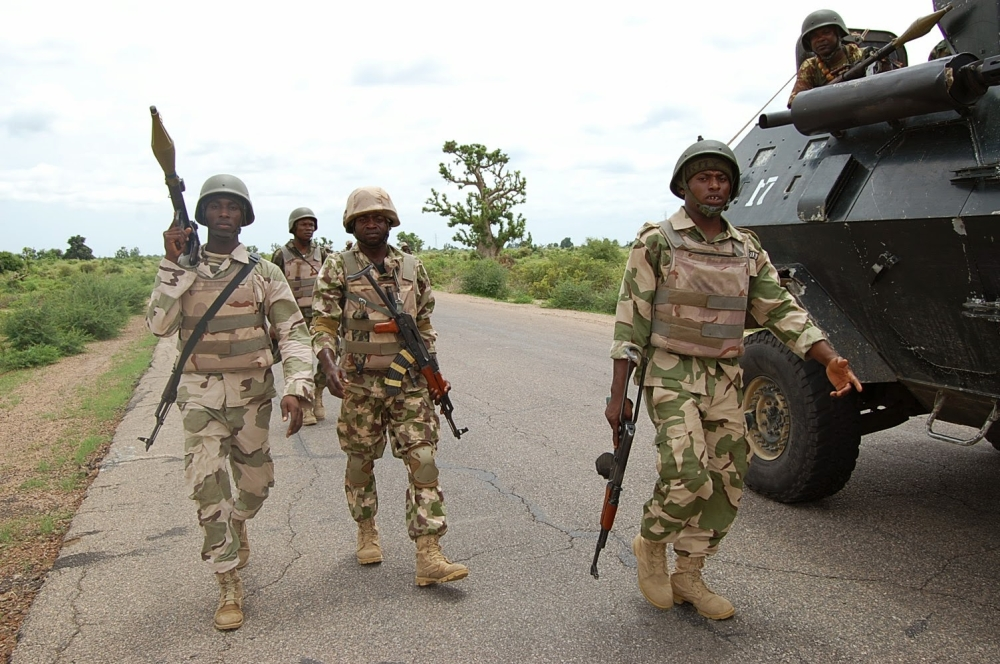
في إطار جهودها المستمرة لمكافحة الإرهاب، أعلنت وزارة الدفاع في النيجر عن تحقيق نجاح كبير في عملياتها العسكرية الأخيرة، حيث تمكنت قوات الجيش النيجري من القضاء على ما لا يقل عن 72 عنصراً إرهابياً في مناطق متفرقة من البلاد. ووفقاً للنشرة الأسبوعية الصادرة عن الوزارة، فإن هذه العمليات التي جرت بين 19 و25 يناير الجاري، شملت غارات جوية دقيقة أدت وحدها إلى مقتل أكثر من 50 إرهابياً، مما يمثل ضربة قوية للجماعات المسلحة الناشطة في المنطقة.
ولم تقتصر نتائج العمليات على ذلك، بل أسفرت أيضاً عن اعتقال 48 شخصاً من المشتبه بهم، وتدمير شبكات إمداد لوجستية حيوية تابعة للجماعات الإرهابية، بالإضافة إلى مصادرة 14 قطعة سلاح متنوعة. وتأتي هذه الحصيلة لتضاف إلى إعلان سابق للجيش في 23 يناير، والذي أكد فيه القضاء على 53 إرهابياً وتوقيف 37 آخرين، مما يعكس تصعيداً في وتيرة العمليات العسكرية ضد معاقل المتطرفين.
السياق الأمني في منطقة الساحل
تندرج هذه العمليات ضمن سياق أمني معقد تشهده النيجر ومنطقة الساحل الأفريقي بشكل عام، والتي تعد بؤرة لنشاط جماعات متطرفة مرتبطة بتنظيمي القاعدة وداعش، مثل “جماعة نصرة الإسلام والمسلمين” (JNIM) و”تنظيم الدولة الإسلامية في الصحراء الكبرى” (ISGS). وتتركز هذه الجماعات بشكل خاص في منطقة “الحدود الثلاثية” التي تجمع النيجر ومالي وبوركينا فاسو، حيث تشن هجمات متكررة تستهدف القوات الأمنية والمدنيين على حد سواء، مما أدى إلى أزمة إنسانية حادة ونزوح الملايين من السكان.
الأهمية والتأثير الاستراتيجي للعملية
تحمل هذه العملية العسكرية الناجحة أهمية كبيرة على عدة مستويات. فعلى الصعيد المحلي، تمثل انتصاراً تكتيكياً يعزز من معنويات الجيش النيجري ويؤكد قدرته على توجيه ضربات موجعة للجماعات الإرهابية، كما أنها رسالة من السلطة الحاكمة بقدرتها على فرض الأمن. إقليمياً، تبرز هذه العملية استمرار التهديد الإرهابي العابر للحدود، وفي الوقت نفسه، تسلط الضوء على النهج الجديد الذي تتبعه دول “تحالف دول الساحل” (AES)، الذي تأسس مؤخراً بين النيجر ومالي وبوركينا فاسو بعد التغييرات السياسية التي شهدتها، بهدف تنسيق الجهود العسكرية والسياسية لمواجهة التحديات الأمنية المشتركة بعيداً عن الشركاء التقليديين. أما دولياً، فتراقب القوى العالمية عن كثب تطورات الوضع الأمني في الساحل، وتأثير التحولات السياسية على فعالية جهود مكافحة الإرهاب في منطقة ذات أهمية استراتيجية كبرى.