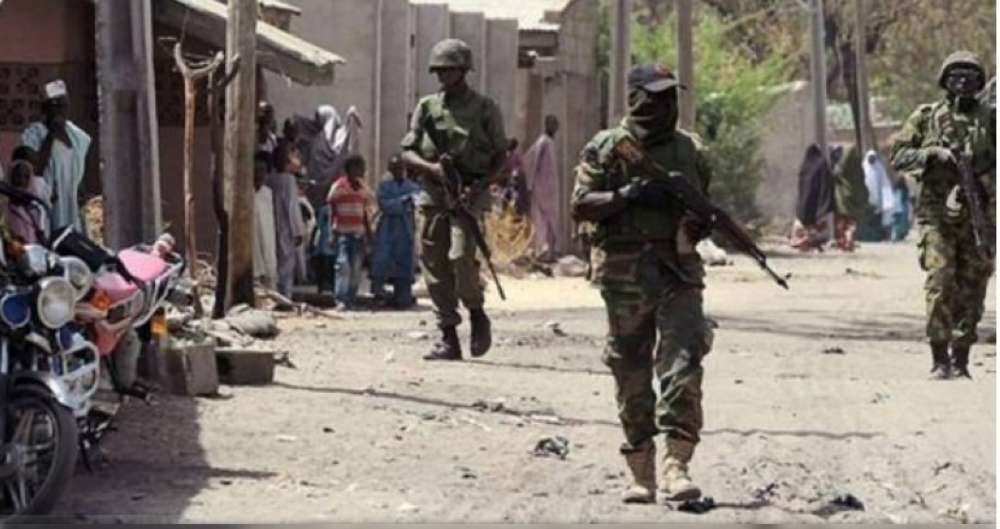
In a horrific attack that once again highlights Nigeria's worsening security crisis, at least 50 people were killed and an unspecified number of women and children were abducted in the village of Tunga Dutsi in Zamfara State, in the northwest of the country. Local officials confirmed that the attack was carried out by armed gangs who have been terrorizing the area for years.
According to the area's Member of Parliament, Hamiso A. Faru, the gunmen launched a large-scale attack that lasted from Thursday evening until dawn on Friday. He explained that the attackers fired indiscriminately at residents who tried to flee and set fire to numerous homes and properties, leaving widespread destruction and panic among the survivors. He noted that local authorities are still working to determine the exact number of victims and missing persons.
Context of escalating violence in northwest Nigeria
This attack is part of a series of deadly attacks plaguing northwestern Nigerian states, including Zamfara, Katsina, and Kaduna. The groups responsible for these attacks are known locally as “bandits,” organized criminal gangs based in the vast forested areas, engaged in mass kidnappings for ransom, cattle rustling, and the extortion of illegal taxes from vulnerable rural communities.
The roots of this security crisis lie in decades of tensions between settled farming communities and nomadic pastoralists, exacerbated by climate change, desertification, and population growth, leading to violent conflicts over scarce resources such as land and water. With the absence of an effective state and weak security forces in these remote areas, these conflicts have morphed into widespread, organized violence exploited by criminal networks for financial gain.
Humanitarian and security implications
These repeated attacks have devastating consequences at both the local and regional levels. Locally, they lead to mass displacement, the destruction of livelihoods based on agriculture and pastoralism, and exacerbate food insecurity. They also create a climate of constant fear that paralyzes daily life and prevents children from attending school. Regionally, the instability in northwest Nigeria threatens to spill over into neighboring states and even neighboring countries like Niger, further complicating the already volatile security landscape of the Sahel region.
Despite the Nigerian government's efforts, including deploying army and police forces and launching military operations, these armed groups continue to pose a significant challenge. Experts and international observers are calling for a comprehensive approach to the crisis that goes beyond military solutions and addresses the root causes of the conflict through economic development, improved governance, and reconciliation among the warring communities.