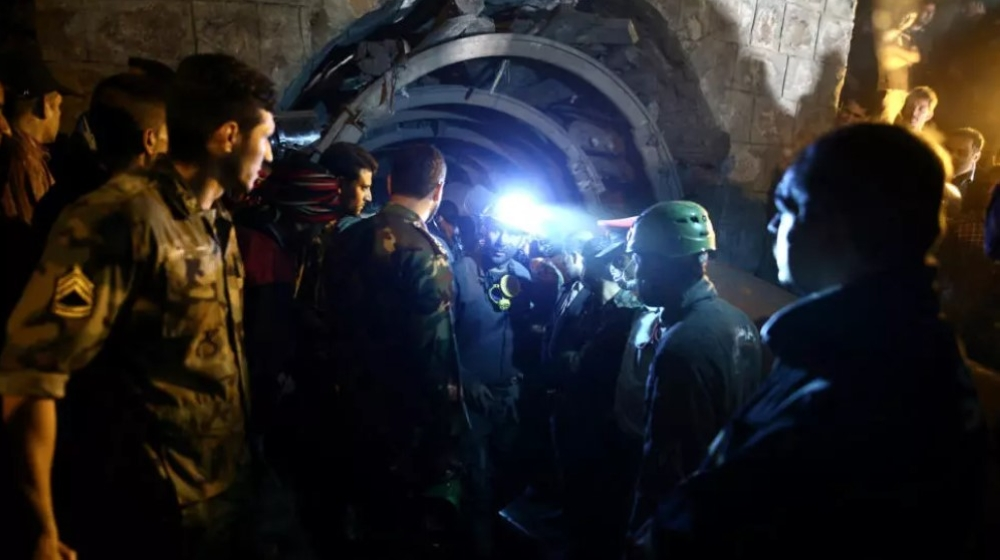
At least 38 miners were killed and 27 others injured in a tragic gas explosion on Wednesday at a lead mine in the Bashar area of Plateau State, central Nigeria. The accident, which occurred in the early hours of the morning, once again highlights the serious risks inherent in the country's mining sector and exposes the lax safety standards faced by workers.
Details of the incident and initial reactions
The local official in the Bechar region, Ali Adam Idris, confirmed the initial death toll in a statement to the media, saying, “It is true, 38 people have been confirmed dead so far, and about 27 others have been taken to the hospital for treatment.” Eyewitnesses and other miners who rushed to the site reported that the explosion was powerful and occurred between 7:30 and 8:00 a.m., causing parts of the mine to collapse and trapping the miners inside. This complicated rescue efforts and made reaching the victims extremely difficult.
Historical context of the mining sector in Nigeria
Plateau State, a historical center of tin mining during the colonial era, boasts vast mineral wealth, including lead, zinc, columbite, and other precious metals. This abundance of resources has attracted both organized mining companies and thousands of artisanal and informal miners over the decades, who work in precarious conditions. Despite the Nigerian government's efforts to regulate the sector and diversify its economy away from oil dependency, illegal and unregulated mining remains a significant challenge, with most operations lacking even the most basic occupational safety measures.
The importance of the incident and its expected impact
Locally, this incident represents a humanitarian disaster for the Bashar community, as many families have lost their primary breadwinners, placing immense pressure on health and community services. Nationally, this tragedy reignites the debate surrounding the urgent need for fundamental reforms in the mining sector. Calls for stricter government oversight, the implementation of rigorous safety standards, and a crackdown on illegal mining activities that endanger thousands of lives daily are expected to intensify. Internationally, such incidents draw the attention of human rights organizations and investors to the working environment in Nigeria's natural resources sector and could damage the country's reputation as a safe investment destination in this field, underscoring the critical need for sustainable and safe mining practices that prioritize human life.