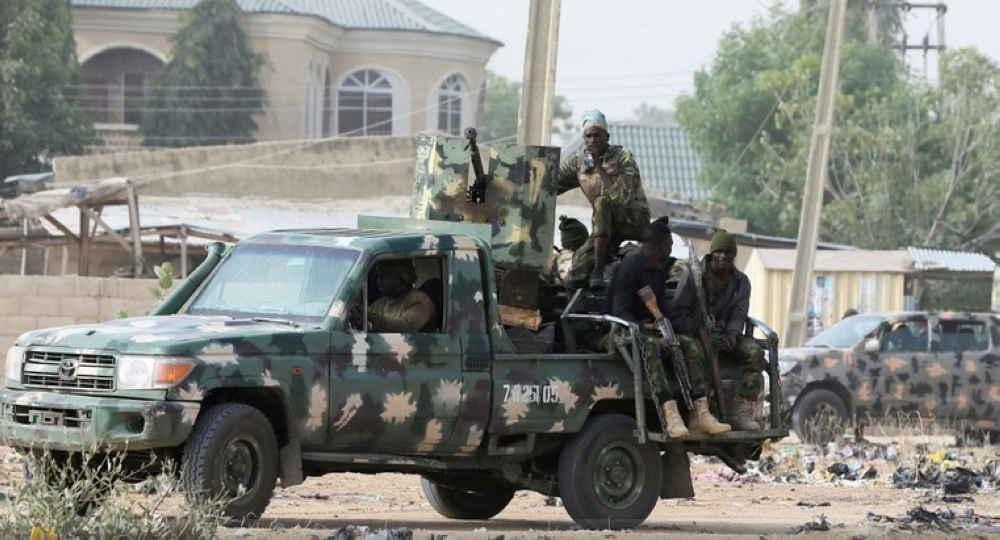
In a tragic escalation of the violence plaguing Nigeria, the death toll from an attack by gunmen on a village in Kwara State, in the country's west-central region, has risen to 162. A Red Cross official confirmed the staggering figure to AFP on Wednesday, making it one of the deadliest attacks in the country in recent months and further highlighting the deepening security crisis in Africa's most populous nation.
“The death toll has now reached 162, with rescue teams and volunteers continuing to search for more bodies,” said Babaomo Ayodeji, secretary of the Red Cross branch in Kwara State. An initial toll announced earlier in the day had put the number at 67, but the figures have risen sharply as more victims have been discovered, reflecting the brutality of the attack and the scale of the humanitarian disaster that has befallen the stricken village.
The general context of the conflict in central Nigeria
This attack comes amid a long-standing and complex conflict in central Nigeria, known as the "Middle Belt." This region, a fault line between the predominantly Muslim north and the predominantly Christian south, experiences frequent tensions between different ethnic and religious groups. The conflict is primarily about resources, especially land and water, between settled farmers and nomadic herders. Climate change and desertification in the north have driven herders south in search of grazing land, exacerbating friction with farming communities. These economic conflicts often take on an ethnic and religious dimension, further complicating the situation and fueling violence.
The importance and expected impact of the attack
Locally, this attack is causing an immediate humanitarian catastrophe, with hundreds of families losing loved ones and their property, and is expected to trigger a new wave of displacement, further straining the already limited resources of neighboring areas. The attack is also sowing fear and panic among the population, undermining confidence in the state's ability to protect its citizens, which could lead some communities to form local militias for self-defense, potentially triggering a cycle of retaliatory violence.
Regionally and internationally, these attacks are raising concerns about the stability of Nigeria, a major economic and military power in West Africa. Failure to contain the internal violence could have repercussions beyond the country's borders, particularly in the Sahel region, which is already plagued by terrorist activity. The Nigerian government is under increasing pressure to take decisive action to address the root causes of the conflict, strengthen security, and bring the perpetrators of these crimes to justice to ensure they do not escape punishment.