State of emergency declared in Nigeria
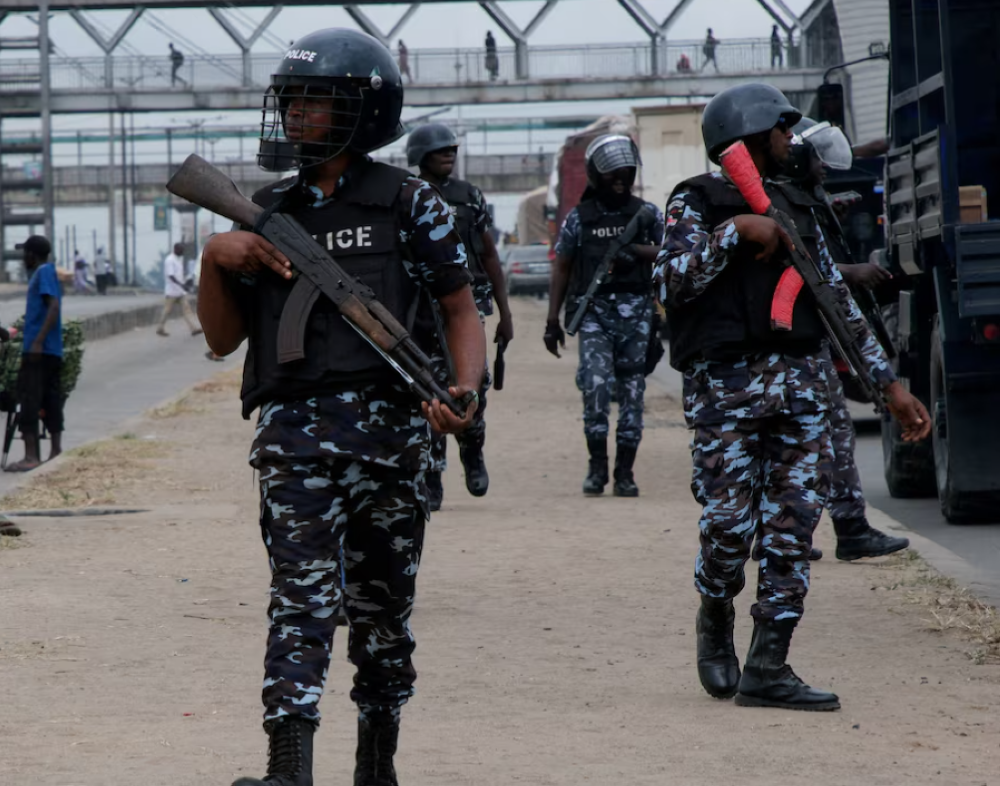
In a move reflecting the severity of the deteriorating security situation, Nigerian President Bola Ahmadu Tinubu declared a nationwide state of emergency. This decisive action comes as a direct response to a series of mass kidnappings that have rocked the country in the past ten days, resulting in the abduction of more than 350 people and sparking widespread panic and concern among citizens and the international community.
Among the immediate measures included in the announcement, President Tinubi ordered a significant increase in security forces, with the Nigerian police force to recruit an additional 20,000 personnel, bringing its total strength to 50,000. The president also granted the domestic intelligence agency broad powers to deploy all trained forest rangers to eliminate what he termed "terrorists and bandits" who use the dense forests as safe havens, and directed the agency to recruit more personnel to monitor these vast areas.
Historical context of the kidnapping crisis
The kidnapping crisis in Nigeria did not emerge in a vacuum; it is the product of years of complex security challenges. Initially, kidnappings were linked to the activities of armed groups in the oil-rich Niger Delta region, before evolving into a lucrative industry for criminal gangs, known locally as “bandits,” particularly in the northwestern and central states. These gangs target schools, villages, and highway travelers, demanding large ransoms for the release of their hostages.
This phenomenon took on a tragic international dimension in 2014 with the abduction of more than 270 schoolgirls from the town of Chibok by the extremist group Boko Haram. While the motives of today's "bandits" appear purely criminal and not necessarily ideological, their brutal tactics and devastating impact on communities are no less dangerous.
Importance and expected effects
The repercussions of the kidnappings extend far beyond immediate security concerns, casting a shadow over all aspects of life in Nigeria. Locally, the crisis has led to the closure of hundreds of schools, jeopardizing the future of an entire generation of children. It has also paralyzed the agricultural sector in many areas, as farmers are afraid to go to their fields, exacerbating the food security crisis. The declaration of a state of emergency represents an attempt by the government to restore public trust and demonstrate its ability to enforce the rule of law.
Regionally and internationally, the situation in Nigeria, Africa’s most populous nation and strongest economy, is a source of grave concern. Instability could have cross-border repercussions, including refugee flows and the expansion of armed groups’ influence in the Sahel and West Africa. The situation also damages Nigeria’s reputation as a destination for foreign investment and puts President Tinubi’s government under considerable pressure to demonstrate its effectiveness in addressing one of the country’s most pressing challenges.