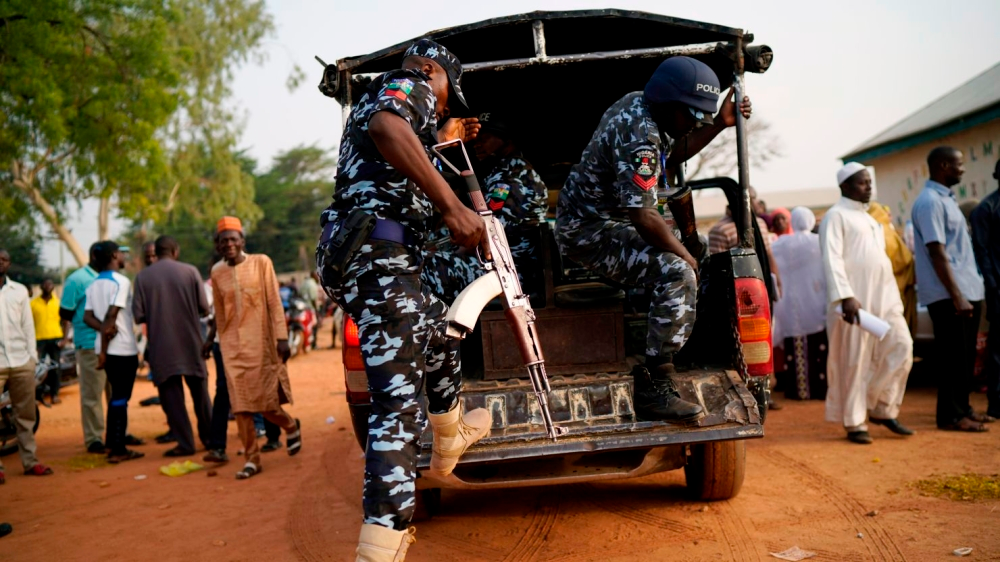
In the latest episode of violence plaguing central and northwestern Nigeria, at least 46 people were killed on Saturday in coordinated attacks by unidentified gunmen on three villages in Niger State. Local security sources confirmed that the attacks targeted the villages of Konkoso, Tungan Makiri, and Bissa, located in the Burgo Administrative Area, sparking widespread panic among residents.
According to reports, Konkoso village was the hardest hit, with 38 people killed. Seven people died in the neighboring village of Tungan Makere, while one person was killed in Bissa village. These deadly attacks come amid a deteriorating security situation in the region, as these villages are located near Kwara State, where more than 160 people were killed by gunmen last February, highlighting the widespread insecurity.
The general context of the security crisis in Nigeria
These attacks are not isolated incidents, but rather part of a complex and deep-rooted security crisis that has plagued Nigeria for years. The armed groups responsible for these attacks are known locally as “bandits,” organized criminal gangs that engage in mass kidnappings for ransom, cattle rustling, village raids, and the extortion of illegal taxes from farmers. These gangs have evolved from small groups into sprawling criminal networks possessing sophisticated weaponry and operating freely in vast rural areas lacking adequate security presence.
This conflict is partly rooted in historical tensions between nomadic pastoralists and settled farmers over scarce natural resources such as land and water. These conflicts have been exacerbated by climate change, desertification, and population growth, intensifying competition. Criminal groups have exploited this security vacuum and social tensions to expand their influence and generate revenue, transforming the conflict from a struggle over resources into a lucrative criminal industry.
Importance and expected effects
At the local level, these attacks have a devastating impact on rural communities. They lead to mass displacement, destroy livelihoods based on agriculture and pastoralism, and threaten the country’s food security. They also cause profound psychological trauma and erode citizens’ trust in the state’s ability to protect them. Regionally, the instability in northwest Nigeria threatens to spill over into neighboring countries such as Niger and Benin, where porous borders facilitate the movement of militants and weapons. Internationally, this crisis is raising concerns among humanitarian and human rights organizations, damaging Nigeria’s reputation as a regional power, and hindering efforts to attract the foreign investment needed for development. The Nigerian government is under increasing pressure to take more decisive and effective action to address the root causes of the violence and restore security in the affected areas.