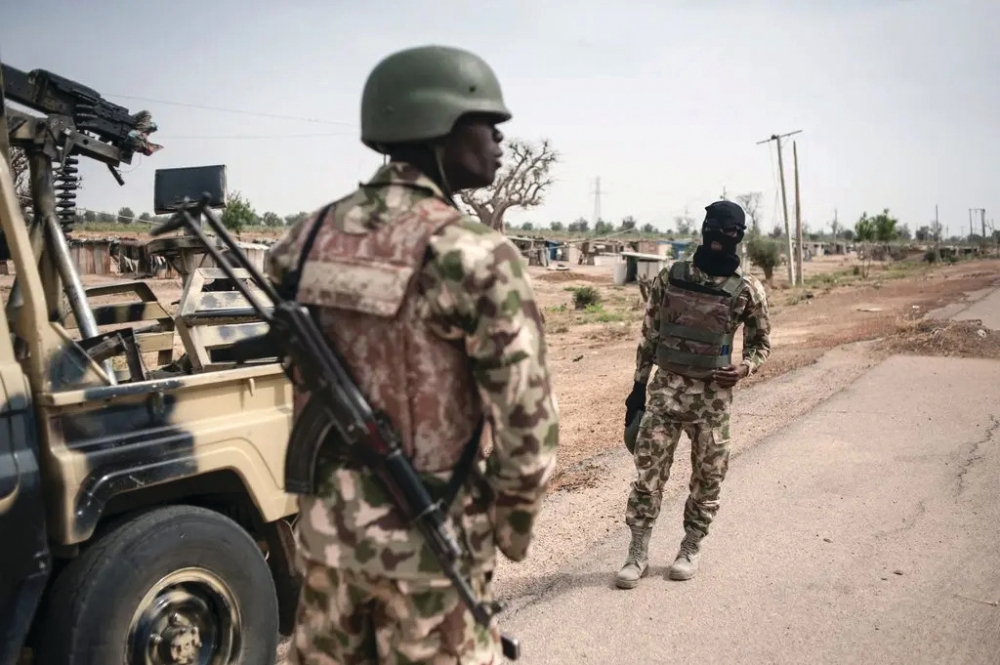
Kaduna State in northern Nigeria has witnessed a new wave of violence, with three people killed and at least 51 others abducted in a series of armed attacks targeting four predominantly Christian villages over the past few days. These attacks have once again highlighted the worsening security crisis in Africa's most populous nation.
Background of the conflict and escalation of violence
Northern and central Nigeria have suffered for years from insecurity due to the activities of armed criminal gangs, locally known as “bandits,” as well as jihadist groups such as Boko Haram and the Islamic State West Africa Province (ISWAP). The causes of this violence are rooted in complex factors including historical ethnic and religious tensions, conflicts between settled farmers and nomadic herders over scarce natural resources, and weak governance, widespread poverty, and unemployment, which provide fertile ground for the growth of these groups.
Details of the recent attacks
According to local security sources, the attacks were spread across several areas. In Kasuwan Magani village in the Kajuru region, an attack left three people dead and 38 others abducted, including a local imam, highlighting that the violence spares neither Muslims nor Christians. In a separate attack on Karko village, gunmen abducted 11 people, including a Catholic priest named Nathaniel Asoko. Two more people were abducted on the road leading to the Maro region. No group has yet claimed responsibility for these attacks, but suspicion falls on criminal gangs that are highly active in the area, often seeking ransom.
The kidnapping industry and its devastating impact
Mass kidnappings in Nigeria have become a lucrative and organized industry, with gangs targeting schools, villages, and highway travelers. A report by Lagos-based consultancy SBM Intelligence revealed that perpetrators of these crimes have reaped substantial financial rewards from ransoms. The report indicated that, in a single year between July 2022 and June 2023, millions of dollars in ransoms were paid, fueling the cycle of violence and enabling these gangs to purchase more weapons and expand their influence.
Local and international significance and implications
Domestically, these attacks are tearing apart the social fabric and deepening distrust in the state’s ability to protect its citizens. They are also disrupting economic activity, particularly agriculture, and leading to mass displacement. Nationally, this situation presents a significant challenge to President Bola Tinbo’s government, which is facing increasing pressure to take decisive action. Internationally, these attacks have raised widespread concern, with the United States and other countries previously criticizing what they described as the “persecution” of religious communities and calling on the Nigerian government to do more to stop the violence and protect all citizens, regardless of their religious or ethnic affiliation.