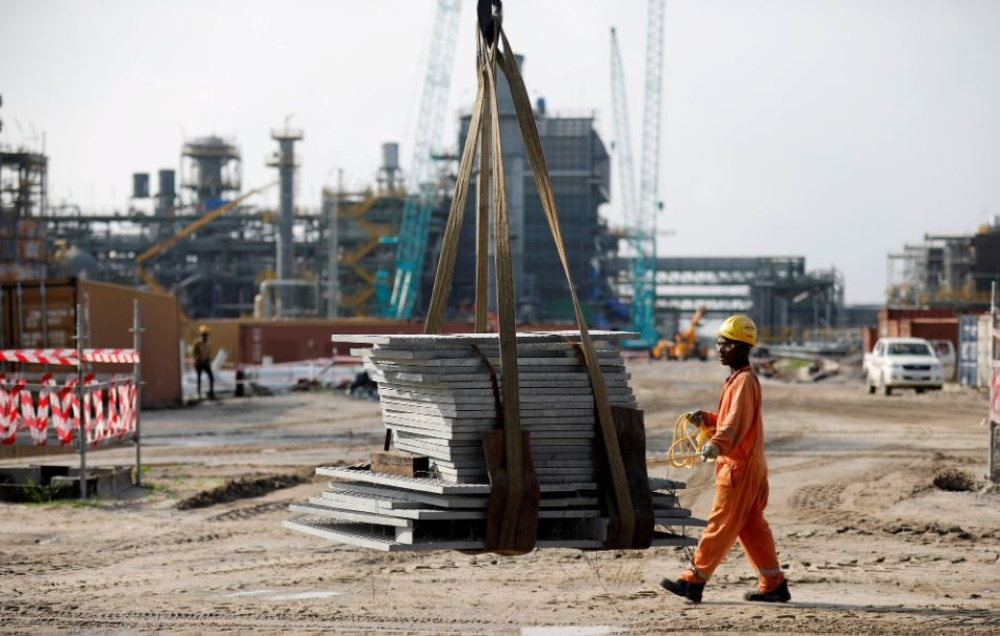
In a strategic move aimed at reshaping the energy landscape of West Africa, the Nigerian government has announced its final approval of a massive project to build a new oil refinery with an estimated investment cost of $50 billion. This crucial step reflects the OPEC member's commitment to strengthening its crude oil refining capacity and reducing its chronic and costly dependence on imported refined fuels.
Project details and strategic partnership
Nigeria's Ministry of Petroleum Resources announced in an official statement today that this mega-project will be implemented under a public-private partnership (PPP) model. This investment model aims to ensure efficient implementation and operation, and to dramatically increase the country's refining capacity. The ministry explained that the new refinery will be located in a strategic industrial area close to supply sources and export ports, giving it a significant logistical advantage.
Context of the energy crisis in Nigeria
To understand the significance of this announcement, one must consider the historical and economic context of Nigeria's oil sector. Nigeria is Africa's largest oil producer, yet for decades it has faced a peculiar economic paradox: it is forced to import the vast majority of its fuel needs (petrol and diesel) due to the dilapidated state-owned refineries and their frequent shutdowns. This situation has depleted the country's foreign exchange reserves and placed immense pressure on the local currency, the naira, in addition to causing recurring fuel shortages for its citizens.
Expected economic impact
This $50 billion project is expected to radically transform the Nigerian economy in several ways:
- Achieving self-sufficiency: The refinery will have a huge production capacity that will allow it to cover a large part of the needs of the local market, thus ending the era of fuel queues and supply shortages.
- Stopping the drain on hard currency: Domestic production will reduce the import bill that has burdened the state budget for years, thus supporting macroeconomic stability.
- Transformation into a regional hub: The government plans to direct surplus production towards export, which will make Nigeria a major center for refining and exporting petroleum products to West African countries (ECOWAS) and global markets.
Future outlook
This announcement coincides with broader efforts in Nigeria's energy sector to maximize the utilization of its natural resources. Experts believe that the success of this project, along with other refining projects in the country, will restore Nigeria's position not only as a source of crude oil but also as a major industrial power in the petrochemical and refined energy sectors, thereby enhancing both national and regional energy security.