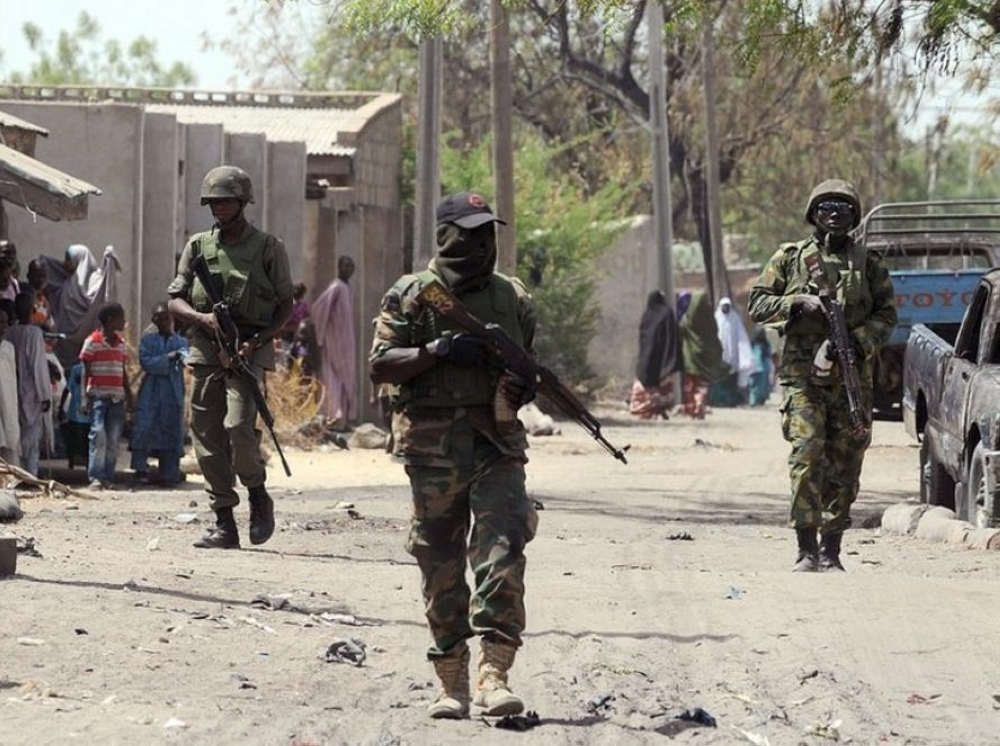
In a recent official statement, the Nigerien Defense and Security Forces announced significant field victories in their ongoing counter-terrorism efforts, neutralizing 40 terrorists and arresting 96 individuals suspected of involvement with or links to armed groups. These results are the culmination of a series of coordinated air and ground operations conducted across various parts of the country, aimed at establishing security and regaining control over porous border regions.
Details of operations and seizures
The Nigerien army, in its weekly statement broadcast on national television, explained that the operations not only inflicted casualties on armed groups but also dealt a significant blow to their logistical infrastructure. The raids resulted in the seizure of an arsenal of weapons and equipment, including 23 assorted firearms and thousands of rounds of ammunition, as well as the discovery and destruction of two improvised explosive devices (IEDs) intended for use against government forces.
In a related context, in cutting off sources of terrorist financing, the Nigerien forces revealed the seizure of (1,732) boxes of prohibited materials, and about (194) kilograms of Indian hemp, as well as the confiscation of more than (17) thousand liters of smuggled fuel, which indicates the close link between terrorist groups and organized crime and smuggling networks that are active in the African Sahel region.
Security context and regional challenges
These operations come at a time when Niger, and the Sahel region in general, are facing increasing security challenges. Niger is located at the heart of a geographically volatile region, facing threats from groups linked to al-Qaeda and ISIS in the west (the tri-border area with Mali and Burkina Faso), as well as threats from Boko Haram and ISIS in West Africa in the southeast (the Lake Chad region).
Strategic shifts and the impact of operations
This announcement takes on particular significance in light of the political and military transformations Niger has undergone since July 2023. The current military authorities are seeking to demonstrate their ability to protect national sovereignty and ensure the security of citizens by relying on their own capabilities, especially after the termination of military cooperation agreements with some Western powers. These moves are part of a broader strategy by the "Sahel Alliance" (comprising Niger, Mali, and Burkina Faso), which aims to coordinate joint military efforts to counter the spread of terrorism that threatens the stability of the entire region. This gives these operations repercussions that extend beyond Niger's borders, impacting the regional security landscape.